Calima in Tenerife is the presence of a dense layer of yellowish dust suspended in the air. You will be able to notice this phenomenon because of the low visibility in the air, accompanied by an intense sensation of heat. If you are going on holiday to Tenerife, you will be interested to know the following points:
What is Calima?
Origin
Effects on health and the environment
What is Calima?
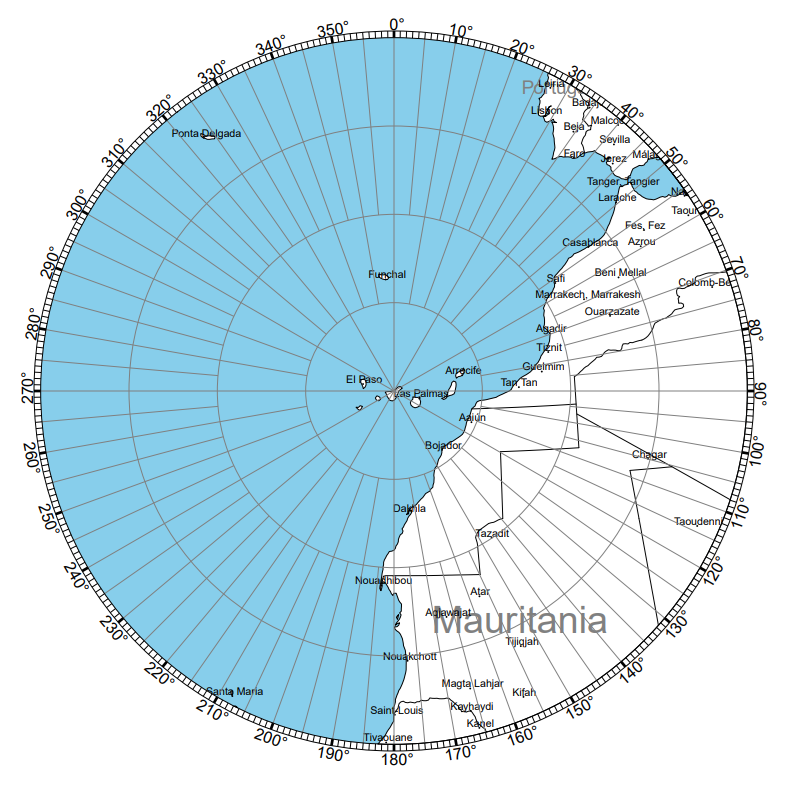
It is a phenomenon caused by the arrival of dust from the Sahara and Sahel deserts, transported by the air currents that reach Tenerife from the east and southeast. The dust floods the atmosphere generating a dry fog and layers of dust on everything in its path.
The name Calima was coined by the locals, but it is also often called “Siroco” which is the name of the wind responsible for dragging the sand. The word Calima comes from the Latin “caligo” or “caliginis” used to refer to the dense mist that darkened the atmosphere. The term Calima is still used by professionals, although it is not included in the International Meteorological Vocabulary of the World Meteorological Organization (WMO).
A distinction is made between Type A and Type B Calima. Calima type A, characterised by fine dust from the desert, occurs in Tenerife. Calima B, on the other hand, also contains ashes from fires and polluting particles from factories. The absorption of Calima type B is harmful to health.
Origin of the calima in Tenerife?
It comes from sandstorms in the Sahara desert, caused by strong winds. Winds from the southeast then carry large quantities of sand to the Canary Islands, generating a haze of dust over the archipelago.
Depending on the wind direction, the sand can reach the Balearic Islands, the mainland or other European countries. In the Canary Islands, the most affected islands are Gran Canaria, Lanzarote, La Graciosa and Fuerteventura.
Effects on health and the environment
Calima in Tenerife does not cause major problems, however, it usually causes some undesirable effects such as:
Reduction of visibility. This meteorological phenomenon makes it impossible to see over long distances, although the haze depends on the intensity of the haze. When it is extreme, it reduces visibility by less than one kilometre.
Decreased visibility.
Decreased air quality, causing respiratory problems. It is especially of concern to allergy sufferers, so they should take precautions. It can cause red eyes, sore throat and breathing difficulties. Some people experience headache and fatigue.
Warm temperature. Tourists who come to Tenerife to escape the cold find La Calima pleasant.
Tourists who come to Tenerife to escape the cold find La Calima pleasant.
Layers of sand everywhere. La Calima leaves streets, houses and cars under layers of sand.
Sensation of twilight. For tourists, it’s a strange sight, going out and seeing the yellowish sky and an ochre tint to the atmosphere, as if they were wearing coloured glasses.
Combined with the sunset, it’s a strange sight.
Combined with the rainfall, it causes the so-called “mud showers”. This occurs only on the Mediterranean coast of Spain.
Not everything is negative, the presence of Calima in Tenerife generates beautiful skies and dreamy sunsets with beautiful reddish and orange tones. Visitors come away with beautiful photographs that look like they were taken with filters.
What time of the year does Calima occur?
It occurs several times a year, being more common in the summer months when the air is warmer. A prerequisite for Calima to occur is the presence of dry air in the atmosphere, which differentiates it from the haze caused by humid air suspended in the atmosphere.
Calima in Tenerife usually occurs between the months of February and August. If you want to keep up to date with the current weather in Tenerife, check the following website:
It is a phenomenon of short duration. It can take a few hours or extend up to 7 days. The effect is strongest at first, then the sky clears until the haze disappears completely. The duration of the Calima depends on the strength and direction of the wind, as well as the weather conditions in Tenerife.
Recommendations for staying safe
It should be noted that you should first of all follow the recommendations of the relevant official authorities. We are not responsible for your health.
If you are on holiday on the island during Calima you should not worry, follow the following recommendations issued by the health authorities:
Staying hydrated
Avoid prolonged outdoor activities
When outdoors, keep in the shade and wear a face mask.
Wear light clothing, sunglasses and sunscreen.
Park your car indoors
Keep doors and windows closed
Wait for the Calima to pass to enjoy the sea.
Also see the following web and make sure to follow its indications. Especially if you suffer from respiratory illnesses, consult your doctor.
It is important to keep an eye on weather forecasts to prepare for the arrival of Calima. Keep up to date with the weather and the recommendations of the health centres.
Best Places to Snorkel in Tenerife: Top Spots, Tips & Safety Advice
Snorkelling in Tenerife is one of the most popular water sports on the island. In this guide you’ll find the best places in Tenerife for snorkelling, with practical tips about conditions, marine life and how to enjoy each spot safely.
Plan your next snorkelling adventure in Tenerife and enjoy a pleasant climate, excellent underwater visibility, abundant marine life and dramatic volcanic seascapes. The south and south-west coasts usually offer the calmest, safest waters with fewer strong waves than many other Atlantic destinations.
Quick safety notes before you snorkel in Tenerife
Check conditions first: ask locals or lifeguards about currents, waves and entry points. Conditions can change quickly, especially in the north and at rocky spots.
Respect marine life: enjoy turtles, rays and fish from a distance. Never chase, touch or feed them.
Wear suitable footwear: many snorkelling spots in Tenerife are rocky and can be slippery.
Use reef-safe sun protection: strong sun + long time in the water = easy sunburn.
Stay visible: in areas with boats, a brightly coloured buoy or snorkel helps you be seen.
Disclaimer: Snorkelling involves natural risks. The content below does not replace professional safety guidance. Always evaluate the sea conditions, respect warning signs and follow lifeguard or local authority recommendations. Enter the water only if you feel confident and conditions are safe.
Why Tenerife is perfect for snorkelling
Snorkelling differs from scuba diving because you stay near the surface with mask, snorkel and fins. It’s an easy and fun activity for beginners and families, and can usually be practised by children from about 10 years old upwards (always under adult supervision).
Tenerife offers ideal snorkelling conditions all year round:
Water temperature: usually between 18°C and 24°C throughout the year, so you can snorkel in winter and in summer.
Visibility: clear, transparent water where you can often see down to 15–20 metres on calm days.
Volcanic landscapes: caves, arches, crevices, lava tongues and steep cliffs that create spectacular underwater scenery.
Marine life: coral areas, colourful tropical fish, rays, cuttlefish, octopus, starfish, schools of small fish and, with some luck, turtles and even dolphins passing by in the distance.
Relatively sheltered areas: especially on the south and south-west coasts, where there is less swell than on many other Atlantic islands.
Where to get snorkelling equipment in Tenerife
The first requirement for snorkelling in Tenerife is to be able to swim confidently. If you can swim and feel comfortable in the sea, you only need basic equipment to explore underwater:
Mask and snorkel: to see clearly and breathe while you float at the surface.
Fins: to move more easily and save energy.
Optional: a short wetsuit or rash vest for extra warmth and sun protection, and neoprene shoes for rocky entries.
You can buy equipment in specialised dive shops, sports shops and some supermarkets. Diving schools also offer snorkelling excursions with an instructor and all equipment included. Instructors usually speak English, Spanish and often other European languages.
On our website you will find different diving and snorkelling activities in Tenerife, as well as specialised diving courses and fun kayak trips that combine kayaking with snorkelling stops. Write to us by WhatsApp if you have any questions or want to book.
Best places to snorkel in Tenerife
Below you’ll find some of the best snorkelling spots in Tenerife, based on local knowledge and our customers’ testimonials. Always check sea conditions before entering and adjust your choice of spot to your level and to the day’s conditions.
1. Abades – easy coral reef and sebadales
Abades is a small, quiet village close to El Médano on the east coast of Tenerife. It’s one of the island’s favourite places for snorkelling thanks to its natural coral reef very close to the shore.
Access: easy entry from the sandy beach, with the reef accessible after only a 2-minute swim.
Depth: mostly shallow, ideal for beginners and for getting used to snorkelling.
What you can see: seagrass meadows (sebadales), octopus, trumpet fish, rays, schools of small fish and sometimes turtles.
Nearby alternative: if you stay in El Médano and don’t want to travel, you can snorkel near the pier where you may see cuttlefish, moray eels and small octopus.
Best for: beginners, families and anyone looking for easy access and rich marine life without having to swim far.
2. Montaña Amarilla – lunar volcanic landscape
Montaña Amarilla (“Yellow Mountain”) is a very popular spot for snorkelling and swimming. Above the water you’ll see impressive yellow rock formations. Below the surface there are petrified dunes and volcanic structures that look like another planet.
Access: entry is from rocks and platforms; water shoes are highly recommended.
What you can see: crystal clear water, many fish and beautiful yellow sponges covering the rocks.
Conditions: usually calm in summer, but always check waves and currents before entering.
Best for: confident swimmers who enjoy swimming in deeper, clear water with very scenic volcanic rock formations.
3. Los Abrigos – natural pools with volcanic walls
The natural pools of Los Abrigos were created by past volcanic activity and today offer calm areas protected from the swell. The dark lava walls and arches create an intimate and photogenic environment.
What you can see: turtles, cuttlefish, octopus, crabs, starfish, rays and colourful fish hiding among the rocks.
Water: usually clear, with good visibility on calm days.
Tips: enter slowly, watch your step on the rocks and avoid jumping if you don’t know the depth.
Best for: snorkellers who like calm water and exploring corners, holes and rock formations full of life.
4. El Palmar Wall – turtles’ favourite highway
The wall of El Palmar drops down to about 25 metres deep and creates a very rich ecosystem for marine species. It is best explored with a guided excursion from a boat, rather than from the shore.
Main attraction: a high probability of seeing turtles swimming freely in open water.
Other life: trumpet fish, schools of fish and occasionally dolphins passing by in the distance.
Important: turtles are wild animals. You must never touch, chase or surround them.
Best for: guided tours from boat, for swimmers who feel comfortable in open water and want to see turtles in their natural habitat in a respectful way.
5. Alcalá – rocks, natural pools and turtles
Alcalá is a rocky coastal area with several natural pools of calm water. It is known as one of the classic places in Tenerife where turtles have often been seen over the years.
Access: the entry can be a little tricky because of the rocks, so water shoes are very useful.
What you can see: turtles (if you are lucky), small fish, volcanic rock formations and, in the pools, calm, warm water perfect for relaxing.
Tip: enter and exit slowly and always watch the waves before jumping.
Best for: experienced snorkellers and confident swimmers who are used to rocky entries and want a good chance of seeing turtles.
6. Los Cristianos Beach – easy access and lots of activity
Los Cristianos is one of the most lively resorts in the south of Tenerife. Every day, hundreds of people enjoy water sports, boat trips and swimming in its bay.
Access: sandy beach with very easy entry, perfect if you want to combine swimming and snorkelling.
What you can see: volcanic seabed, small fish, occasional rays and sometimes turtles. Away from the shore, dolphins and whales can often be seen from boats.
Extras: from Los Cristianos you can join kayak tours along the Guaza reserve with a high chance of observing dolphins and whales from the surface.
Best for: beginners, families and visitors who want to stay near the main tourist area with plenty of services, restaurants and activities.
7. Los Gigantes – snorkelling under the cliffs
For many visitors, Los Gigantes (The Giants) is the best snorkelling spot in Tenerife. The huge cliffs rise vertically from the sea and create a spectacular natural amphitheatre.
Access: usually by boat from Los Gigantes harbour or from other ports in the south and south-west.
What you can see: clear water, vertical walls, schools of fish and an impressive view of the cliffs from the water level.
Marine life: the area between Los Gigantes and Masca Bay is one of the favourite zones for Tenerife’s dolphins and whales, so you may see them on the way, from the boat.
Best for: boat excursions that combine sightseeing, swimming and snorkelling in a unique setting.
8. El Puertito Bay – snorkelling from boat and from shore
El Puertito is a small bay and one of the most visited places by our clients, as many of our boats stop here for swimming and snorkelling.
Scenery: a very picturesque bay with green hills and small houses, ideal for relaxing.
What you can see: colourful fish and, with a bit of luck, some of the green turtles that can still be found in the area.
How to enjoy it: you can arrive on a boat trip and snorkel from the boat, or visit from land and explore the bay calmly from the shore.
Best for: visitors who book a boat trip and want to make the most of the swimming stop to explore the seabed.
9. Costa Adeje – easy access and many options
Costa Adeje is another very popular area for snorkelling in southern Tenerife. Its beaches and rocky points offer several spots where you can enter directly from the coast.
Access: a mix of sandy and rocky beaches. Some spots are perfect for beginners, others for more experienced snorkellers.
What you can see: lots of small fish, rocky seabeds and typical marine fauna of southern Tenerife.
Extras: many guided snorkelling, diving and kayaking tours depart from this area.
Best for: those staying in Costa Adeje who want several snorkelling options close to their hotel, without long journeys.
10. Punta de Teno – wild snorkelling at the island’s edge
Punta de Teno, on the far north-west of Tenerife, is one of the most unspoilt corners of the island. Here you will find very clear, turquoise water and impressive rocky landscapes.
Level: we recommend this area only for experienced swimmers. There are rocks, currents and sometimes waves.
What you can see: abundant marine life, volcanic rock formations and beautiful views of the coast and the lighthouse.
Safer area: the southern side of Punta de Teno usually has shallower, calmer waters, but you must always check the conditions before entering.
Best for: advanced snorkellers who want a wild, natural environment and are used to evaluating sea conditions and currents.
11. Charco del Viento – northern pools with clear water
In the north of Tenerife you will also find beautiful places for snorkelling. One of the best known is Charco del Viento, a set of natural pools created by lava flows.
Conditions: the north is generally rougher, but these pools offer more sheltered water when the sea is not too strong.
What you can see: small fish, lava formations, and a unique view of the northern coast.
Tip: avoid the pools if there is heavy swell, and always respect local warning signs.
Best for: visitors staying in the north who want to combine natural pools with some relaxed snorkelling on calm days.
Practical tips and safety for snorkelling in Tenerife
To finish, here is a more complete checklist so you can enjoy snorkelling in Tenerife safely and comfortably:
1. Choose the right spot for your level
Beginners and families: prefer sheltered bays with easy entry, such as Abades, some areas of Costa Adeje, Los Cristianos and the calmer natural pools.
More experienced snorkellers: can explore rockier and deeper areas, such as Montaña Amarilla, Alcalá, Punta de Teno or El Palmar Wall (always respecting safety rules).
2. Check conditions before entering
Look at the waves, currents and wind before you enter the water.
When in doubt, ask a lifeguard, a local or your excursion guide.
Avoid entering in places where you see strong waves breaking on rocks or where there are clear signs of strong currents.
3. Protect yourself from the sun and cold
Use high-protection, reef-friendly sunscreen and reapply often.
Consider wearing a rash vest or light wetsuit if you plan to spend a long time in the water.
A cap, sunglasses and a towel on the beach will help you rest between sessions without getting sunstroke.
4. Be careful with rocks and entries
Many snorkelling beaches in Tenerife are rocky – water shoes can save your feet.
Walk slowly and avoid running or jumping if you don’t know the depth or if rocks may be hidden below the surface.
Be extra careful when leaving the water if waves are pushing you towards rocks.
5. Respect animals and the environment
Never touch, chase or feed turtles, rays or any other sea creature.
Do not stand on coral or seagrass, and avoid stirring up the sand too much.
Take all your rubbish with you and, if you can, pick up any plastic you find.
6. Visibility, boats and safety equipment
Visibility can change if there are waves, calima or plankton. If you see the water becoming very cloudy, stay close to the shore.
In areas shared with boats, stay close to the coast and, if possible, use a bright snorkel or surface buoy so you are easy to see.
If you are not a strong swimmer, use a buoyancy jacket or a foam noodle under your chest for extra safety.
Enjoy snorkelling in Tenerife with peace of mind
In conclusion, snorkelling in Tenerife is a fascinating adventure. The island offers transparent and generally safe waters for swimming, pleasant temperatures all year round and spectacular volcanic scenery above and below the surface.
If you’d like to discover the best snorkelling spots with a local guide, or combine your day with a boat trip or kayak excursion, you can write to us on WhatsApp. We’ll be happy to help you choose the most suitable activity for your level and for the time of year.
Follow these recommendations, choose the right beach each day and enjoy Tenerife’s marine life with respect and safety.
Today we bring you a recipe for Canarian potatoes that you must try if you want to taste the authentic flavours of Tenerife. This is a delicious recipe for potatoes with mojo, which are a real delicacy. They form part of the typical Canarian gastronomy and are a must for visitors. They are gluten-free so they are suitable for all diners and taste exquisite.
What are Canary Island potatoes?
First we would like to tell you about the origin of potatoes in Tenerife. They arrived in the archipelago from South America in the 16th century. At first, the locals used them as ornamental plants in gardens, but then they discovered their potential for food. Today they are part of the Tenerife idiosyncrasy and you can find them in all the local restaurants. They were recognised as a gastronomic wonder in Spain in 2016.
They are also known as Papas arrugadas (wrinkled potatoes) due to their appearance. The potatoes are wrinkled by the action of sea salt that dehydrates the skin, creating folds on the surface. For this recipe you can use black potatoes, sweet potatoes or quick-cooking potatoes.
Best restaurants where to eat Papas Canarias
If you are in Tenerife and you want to give your taste buds a treat, we recommend some of the most renowned restaurants where this is one of the star dishes. Remember that each restaurant has its own charm and brings a unique and authentic flavour to its food.
La Lata del Gofio, El Médano
La Pandorga, San Andres
El Rincón de Juan Carlos, Adeje
El Guachinche de Luis, La Laguna
El Caldero, La Caleta
La Cofradía, Puerto de la Cruz
El Caldero, La Caleta
La Casa de los Balcones, La Orotava
Canarian Potato recipe
.
Here is the recipe so you can prepare them yourself:
Ingredients:
1 kg of small potatoes
¼ cup of coarse sea salt
Enough water to cover the potatoes
Wash the potatoes well and place them in a large pot. Cover them with cold water without going over their size and add the sea salt. Boil for 20 minutes or until cooked through. Then let them sit on the cooker over very low heat until all the water has evaporated. Finally, cover the potatoes until they shrivel. Serve with mojo verde and mojo rojo. Don’t forget to upload the photo to Instagram to share with everyone your taste for good food and the authentic flavours of Tenerife.
Some people like to add a squeeze of lemon to the water in the potatoes to give them an acidic touch. However, this ingredient is not part of the traditional Tenerife recipe.
Motojo sauce recipe
You may have heard of mojo sauce, which is normal because it is part of Tenerife’s gastronomic tradition. It can be red or green, and both are served in the same dish. They are used to dress meats, fish and, of course, the delicious Canarian potatoes.
Green mojo sauce
.
Ingredients:
2 slices of stale bread, broken into chunks
1 teaspoon cumin
2 chopped green peppers
2 teaspoons salt
2 tablespoons red wine vinegar
1/2 cup finely chopped fresh cilantro
4 cloves garlic
Red mojo sauce
.
Ingredients:
2 slices of stale bread, broken into chunks
1 teaspoon cumin
2 red peppers, chopped
2 teaspoons salt
2 tablespoons red wine vinegar
6 cloves garlic, chopped
4 tablespoons olive oil
In both cases, blend all the ingredients in the blender, until you get a homogeneous paste that will be ready to use. You can store it in the refrigerator for more than 1 month.
A variant of this recipe is the Mojo Picón. It has a spicy taste due to the addition of chillies in its preparation.
The aim of this recipe for Canarian potatoes with mojo is that you can prepare it from anywhere in the world. This is a way to revive the Canarian flavours and connect with the essence of Tenerife.
Seasickness can affect anyone. Even people who sail regularly can feel dizzy when the motion of the waves doesn’t match what the eyes and inner ear expect. The good news is that you can greatly reduce the chances of getting seasick with simple habits, the right place to sit, and a few natural or medical remedies. This guide explains in clear steps how seasickness works, how to prevent it, what to eat, where to sit, what to avoid, and what to do if symptoms appear.
Why does seasickness happen?
The medical name is motion sickness or cinetosis. It occurs when the brain receives mixed signals from the body. The inner ear feels movement, but the eyes do not see the same movement, especially inside a cabin or when looking down. This conflict creates nausea, dizziness, tiredness, pale skin, sweating and sometimes vomiting.
The inner ear (vestibular system) is responsible for balance.
The brain tries to understand signals from the ears, eyes and muscles.
When the signals don’t match, nausea begins.
Children, elderly people and pregnant women are usually more sensitive.
Common symptoms of seasickness
Stomach discomfort or nausea
Cold sweat
Yawning and tiredness
Dizziness or spinning sensation
Pale skin
Vomiting (in more intense cases)
How to prevent seasickness before boarding
Prevention starts long before the boat leaves the port. Your body reacts better to movement when it is rested, hydrated and not overloaded with heavy food or alcohol.
Sleep well the night before. Tiredness increases sensitivity to motion.
Avoid alcohol the night before and on the day of the trip.
Eat a light meal 1–2 hours before boarding (pasta, toast, rice, bananas).
Avoid dairy, fried food and heavy meals.
Do not arrive with an empty stomach. An empty stomach can make nausea worse.
Stay hydrated but avoid drinking too much at once.
Take ginger (tea, biscuits or capsules) if it helps you.
Arrive early so you are relaxed before boarding.
How to avoid seasickness on a boat
Look at the horizon. This stabilizes the brain and matches visual movement with body movement.
Sit facing the direction of travel.
Avoid reading or using your mobile phone.
Do not look at the waves below the boat.
Stay outside in the fresh air. Cabins worsen motion signals.
Avoid strong smells like fuel, perfume or cigarettes.
Keep your body relaxed and breathe slowly.
Avoid focusing on fixed objects such as screens or books.
Keep your mind busy. Talking, observing scenery or helping with simple tasks helps.
Stay warm if the weather is cold, as chills worsen nausea.
Best place to sit on a boat to avoid seasickness
Where you sit is one of the most important factors.
The center of the boat has the least movement.
Close to sea level is more stable than upper decks.
Face forward and keep your body aligned with the boat’s direction.
Avoid the stern because it moves the most and vibrations are stronger.
Avoid closed indoor areas. Lack of fresh air increases nausea.
How to avoid seasickness on a ferry
Ferries are large and more stable, but some passengers still feel motion sickness. These tips work especially well for large boats:
Sit in the middle front section where movement is minimal.
Choose a seat near a window to see the horizon.
Avoid the back of the ferry where engine vibration is strongest.
Walk outside to breathe fresh air if you start feeling unwell.
Avoid facing backwards; always keep your line of sight forward.
How to avoid seasickness on a small boat or fishing boat
Small boats move more, so prevention is even more important.
Sit as close to the center as possible.
Look at the horizon more often than on large boats.
Keep your body flexible and allow it to move with the waves.
Avoid looking down at equipment or fishing gear for long periods.
Stay hydrated and eat light snacks during the trip.
Natural remedies to prevent seasickness
Ginger: tea, candy, biscuits or capsules.
Acupressure on the P6 point (inner wrist). Press with your thumb or wear an acupressure band.
Deep breathing techniques: slow breathing calms the nervous system.
Fresh air: one of the most effective natural stabilizers.
Stay upright rather than leaning forward.
Medication for seasickness (general information)
Medication can be helpful, especially on long trips. Always follow instructions and consult a professional if needed.
Dimenhydrinate (commonly used for motion sickness)
Meclizine
Scopolamine patches (behind the ear)
Antihistamines designed for motion sickness
Most medications work best when taken 30–60 minutes before boarding. They are less effective once symptoms have already started.
What to do if you start feeling seasick
Sit in the center of the boat and face the horizon.
Breathe slowly and avoid focusing on close objects.
Loosen tight clothing and get fresh air.
Avoid strong smells.
If you need to vomit, do not fight it; relief often comes afterward.
Drink small sips of water or a drink with electrolytes.
Cold air or splashing water on your face can help.
If conditions allow, a short swim sometimes stops nausea.
Land sickness after a boat trip (“land legs”)
Some people feel dizzy once they return to land. This is known as “land sickness”. It happens when the body is still adjusting after several hours of movement.
It usually disappears within a few hours.
Rest, hydration and light food help.
If symptoms last more than a day, consider medical advice.
Frequently asked questions
How can I avoid sea sickness quickly?
Look at the horizon, move to the center of the boat, breathe slowly and get fresh air.
What is the best place on a boat to avoid seasickness?
The center of the boat, low to the water and facing forward.
Does eating help?
Light carbohydrates help. Heavy, greasy or dairy foods increase nausea.
What should I avoid?
Alcohol, strong smells, heavy meals, reading and screens.
Do ginger pills work?
Many people find ginger helpful for mild nausea.
Can seasickness happen on big ferries?
Yes, especially during windy days, but large ferries move less, so symptoms are usually milder.
Can I still get seasick after years of boating?
Yes, anyone can experience it depending on conditions.
Is seasickness dangerous?
It is uncomfortable but usually not dangerous. Dehydration can occur if vomiting is prolonged.
Safety disclaimer
This article provides general information about seasickness for educational purposes only. It is not medical advice. For specific recommendations, medication guidance or personal conditions, consult a qualified healthcare professional.
Tenerife Carnival: Dates, Parades, Events and Complete Guide
The Carnival of Santa Cruz de Tenerife is one of the greatest cultural treasures of the Canary Islands. More than 10,000 people participate every year to bring this iconic celebration to life, creating an explosion of colour, music, fantasy and tradition. It is considered the second most important carnival in the world, just after Rio de Janeiro, and attracts visitors from all over Europe and beyond.
Below you will find an updated guide with the dates, events, history and all the essential information to enjoy the Tenerife Carnival to the fullest.
Tenerife Carnival 2025 Dates (Updated)
Each year, Carnival dates change depending on the lunar calendar. Below are the general estimated dates for 2025:
Carnival Opening: Late January 2025
Queen Election Gala: Wednesday before Carnival Saturday
Announcing Cavalcade: Friday after the gala
Daytime Carnival: Sunday and the following Saturday
Main Monday Party: Carnival Monday
Grand Coso Apotheosis Parade: Carnival Tuesday
Burial of the Sardine: Ash Wednesday
Piñata Weekend: Last weekend of celebrations
*Exact dates vary every year. Always check the official programme published by the Ayuntamiento de Santa Cruz de Tenerife.
Quick Summary of the Tenerife Carnival
Main Location
Santa Cruz de Tenerife
Type of Event
Cultural festival with parades, music, dance and costumes
International Status
Fiesta of International Tourist Interest (since 1980)
Famous For
Queen Election, Grand Parade, Daytime Carnival, Sardine Burial
Vibe
Joyful, colourful, creative, loud and full of life
What Is the Tenerife Carnival?
The Tenerife Carnival is the largest and most vibrant festival in the Canary Islands. For weeks, the streets fill with festive music, elaborate costumes, dancing groups, satirical performances and spectacular parades. Creativity has no limits — everyone participates dressed up in colourful and imaginative outfits.
It is the most important cultural event on the island and the biggest celebration of the year for residents and visitors alike.
Glossary: Carnival Groups and Traditions
Several traditional artistic groups participate every year. Here are the most important ones:
Rondallas: Musical groups unique to the Santa Cruz Carnival with mandolins, lutes and guitars.
Murgas: Satirical singing groups that perform humorous and critical songs about society and politics.
Comparsas: Dance groups inspired by Latin rhythms, renowned for their colourful costumes and energetic performances.
Carrozas: Large themed floats that parade through the city.
Coso: Name given to the large parade held on Carnival Tuesday.
Fiesta of International Tourist Interest
In 1980, the Tenerife Carnival received the distinction of Fiesta of International Tourist Interest, recognising its cultural importance and the massive tourism it attracts every year.
In 1987, more than 200,000 people gathered at an open-air concert with the legendary Celia Cruz and Billo’s Caracas Boys, achieving a Guinness World Record.
How the Carnival of Santa Cruz de Tenerife Takes Place
The celebrations last several weeks and include competitions, dance shows, parades and outdoor parties. Here is a breakdown of the main events:
Election of the Carnival Queen
The most iconic event. Dozens of candidates present spectacular, gigantic costumes — some weighing over 500 kg. The winner becomes the official image of the carnival for the year.
Announcing Cavalcade (Cabalgata Anunciadora)
A vibrant night parade that officially opens the streets to the festivities.
Daytime Carnival
Celebrated on the first Sunday and again on Piñata Saturday. Ideal for families, with music, dancing and shows throughout the centre.
Main Monday Party
A huge night celebration with Latin rhythms and international guests.
Grand Coso Apotheosis
The big parade on Tuesday with floats, comparsas, groups and thousands of participants.
Burial of the Sardine
On Ash Wednesday, a giant sardine made of papier-mâché is carried through the streets in a satirical funeral procession. It is later burned, marking the symbolic end of the festivities.
Piñata Weekend
The festivities conclude with Piñata Saturday and Piñata Sunday, featuring concerts, street parties and fireworks. It is one of the most joyful parts of the carnival, ideal for visitors.
History of the Tenerife Carnival
The carnival tradition began in Europe in the late 18th century, when it was common to dress in costumes to hide identities. Over time, musical groups such as rondallas and murgas emerged, helping shape the celebration.
Since the 1980s, the carnival has adopted a unique theme each year. Themes have included Rome, Science Fiction, and The City That Never Sleeps (New York).
Other Carnivals in Tenerife
Although the Santa Cruz Carnival is the most famous, other towns hold their own celebrations:
Los Cristianos (Arona): Very popular among tourists, usually held after Santa Cruz.
Puerto de la Cruz: Known for its traditional “Mascarita Ponte Tacón” race (men running in high heels).
Los Gigantes: Smaller but extremely colourful and family-friendly.
Practical Tips for Enjoying the Carnival
Arrive early for big events like the Coso and the Queen Election.
Use public transport — parking in Santa Cruz is extremely difficult during Carnival.
Wear comfortable shoes and lightweight clothes.
Be aware of pickpockets in crowded areas.
Families should prioritise Daytime Carnival.
Check weather: nights can be cool in February.
Frequently Asked Questions
Is the Tenerife Carnival free?
Yes, most events, parades and concerts in the streets are completely free.
Where is the main Carnival held?
In Santa Cruz de Tenerife, mainly around Plaza de España, Avenida Anaga and the city centre.
How long does the Carnival last?
Usually around 3–4 weeks including competitions and street parties.
What should I wear?
Anything! Costumes are highly encouraged, but not mandatory.
Is it safe for children?
Yes, especially the Daytime Carnival events.
The Tenerife Carnival is a celebration that takes months of preparation and brings together tradition, culture and the joyful spirit of the island. Whether you visit for a parade, the Daytime Carnival, or the spectacular Queen Election, you will feel the magic that makes this festival one of the greatest in the world.
The Canary Islands form one of the most unique regions of Spain. They are a volcanic archipelago located in the Atlantic Ocean, close to the northwestern coast of Africa. The group contains eight main islands and several smaller islets, each with its own landscape, capital, character and history. This guide explains their names, capitals, provincial organisation, location and other essential facts in a clear and easy way.
Quick overview of the Canary Islands
Number of main islands
8
Official islets
5
Number of capitals
2
Provinces
Santa Cruz de Tenerife and Las Palmas
Largest island
Tenerife
Smallest island
El Hierro
Newest recognised island
La Graciosa
Continent closest to the islands
Africa
Distance from Africa
Approximately 100 kilometres
Political status
Autonomous Community of Spain
Names of all the Canary Islands
The archipelago is made up of the following eight main islands:
Tenerife
Fuerteventura
Gran Canaria
Lanzarote
La Palma
La Gomera
El Hierro
La Graciosa (officially recognised as an island)
Smaller and uninhabited islets that also belong to the Canary archipelago include:
Isla de Lobos
Montaña Clara
Alegranza
Roque del Este
Roque del Oeste
Although small, these islets are part of the natural and geographic identity of the region and belong to the Autonomous Community of the Canary Islands.
Table of islands and their capitals
Island
Capital
Province
Notes
Tenerife
Santa Cruz de Tenerife
Santa Cruz de Tenerife
The most populated island and home to Mount Teide
La Palma
Santa Cruz de La Palma
Santa Cruz de Tenerife
Known for its forests, volcanic scenery and astronomy
La Gomera
San Sebastián de La Gomera
Santa Cruz de Tenerife
Famous for Garajonay National Park and the whistling language Silbo Gomero
El Hierro
Valverde
Santa Cruz de Tenerife
The smallest and westernmost island
Gran Canaria
Las Palmas de Gran Canaria
Las Palmas
One of the two capitals of the archipelago
Fuerteventura
Puerto del Rosario
Las Palmas
Longest beaches and strong winds that attract water sports
Lanzarote
Arrecife
Las Palmas
Known for Timanfaya National Park and volcanic landscapes
La Graciosa
Caleta del Sebo
Las Palmas
The newest officially recognised island
The two provinces of the Canary Islands
The Canary Islands are organised into two provinces. This division simplifies administration and reflects historical development.
Province of Santa Cruz de Tenerife
Tenerife
La Palma
La Gomera
El Hierro
Province of Las Palmas
Gran Canaria
Fuerteventura
Lanzarote
La Graciosa
Each island except La Graciosa has its own Island Council, known as a Cabildo, which has major responsibility for local services, development and cultural matters.
Why the Canary Islands have two capitals
One of the most distinctive features of the archipelago is its dual capital system. The Autonomous Community has two capitals:
Santa Cruz de Tenerife
Las Palmas de Gran Canaria
The distribution of institutions reflects a political balance between the two provinces. Some governmental bodies are located in Santa Cruz de Tenerife while others are based in Las Palmas de Gran Canaria.
For example, the Parliament of the Canary Islands is located in Santa Cruz de Tenerife, while the Government Delegation operates from Las Palmas de Gran Canaria. The presidency alternates between the provinces in different legislative periods. This shared arrangement ensures equal representation for both halves of the archipelago.
Capitals of each Canary Island
Tenerife: Santa Cruz de Tenerife
Gran Canaria: Las Palmas de Gran Canaria
Fuerteventura: Puerto del Rosario
Lanzarote: Arrecife
La Palma: Santa Cruz de La Palma
La Gomera: San Sebastián de La Gomera
El Hierro: Valverde
La Graciosa: Caleta del Sebo
Where the Canary Islands are located
The Canary Islands are found in the Atlantic Ocean, off the northwest coast of Africa. They lie close to Morocco and Western Sahara and much further from mainland Spain. The archipelago sits roughly between latitudes 27 and 29 degrees north.
Distances in simple form:
About 100 kilometres from the African coast
More than 1000 kilometres from the Iberian Peninsula
Direct flights from Spain take around two and a half hours
Despite their location off Africa, the islands belong entirely to Spain and form part of the European Union.
Why the islands are called the Canary Islands
The name does not come from the canary bird. The origin is older and relates to the Latin term “Canariae Insulae”, which means Islands of the Dogs. Ancient Roman sources described large dogs living on the islands, which may have inspired the name. Another theory connects the name to monk seals, which were once common and were sometimes called sea dogs.
The canary bird was named after the islands, not the other way around.
The Canary Islands and their waters
The land area of the islands is about 7500 square kilometres, but when the adjacent maritime zone is included, the total territory referred to as Canary waters expands to more than 29000 square kilometres. This concept highlights the importance of the surrounding sea for fishing, transport and ecological protection.
Important cities of the archipelago
Las Palmas de Gran Canaria
One of the two capitals. Known for culture, beaches and history.
Santa Cruz de Tenerife
The other capital. Known for its port, museums and the famous carnival.
Arrecife
Capital of Lanzarote and an important administrative centre.
Puerto del Rosario
Capital of Fuerteventura with growing cultural life.
San Cristóbal de La Laguna
UNESCO heritage city on Tenerife with colonial architecture.
Telde
A historic city in Gran Canaria.
Frequently asked questions
How many Canary Islands are there
There are eight official islands. La Graciosa is the newest officially recognised island. There are also five islets.
What are the names of all the Canary Islands
Tenerife, Gran Canaria, Fuerteventura, Lanzarote, La Palma, La Gomera, El Hierro and La Graciosa.
What is the capital of the Canary Islands
The archipelago has two capitals: Santa Cruz de Tenerife and Las Palmas de Gran Canaria.
Why are there two capitals
The dual capital system gives equal representation to the two provinces. Some government bodies are in Santa Cruz de Tenerife and others are in Las Palmas de Gran Canaria.
Are the Canary Islands part of Spain
Yes. They are an Autonomous Community of Spain and part of the European Union.
Where are the Canary Islands located
In the Atlantic Ocean near the northwestern coast of Africa, about 100 kilometres from Morocco.
What are the provinces of the Canary Islands
Santa Cruz de Tenerife and Las Palmas.
What islands belong to the province of Santa Cruz de Tenerife
Tenerife, La Palma, La Gomera and El Hierro.
What islands belong to the province of Las Palmas
Gran Canaria, Fuerteventura, Lanzarote and La Graciosa.
Which is the largest Canary Island
Tenerife is the largest in size and population.
Which is the smallest Canary Island
El Hierro is the smallest of the main islands.
Why are they called the Canary Islands
The name comes from the Latin term for Islands of the Dogs, not from canary birds.
How many people live in the Canary Islands
More than two million inhabitants across all islands.
What is the capital of each island
Each island has its own capital. The list is provided above in full.
Conclusion
The Canary Islands form a diverse and fascinating archipelago with eight main islands, two capitals and a unique administrative structure. Their landscapes, climate and cultural heritage make them one of the most special regions in Spain. Understanding their names, capitals and provinces provides a clear picture of how this Atlantic community is organised and why it plays such an important role within the country.
Today we want to tell you about the best places to see the sunrise and sunset in Tenerife. The island of eternal spring offers sunsets that look like true works of art.
Through this text, we want to give you a small guide about the times when the sun rises and sets in each season of the year in Tenerife. We will also recommend you the best places to see the sunset and sunrise in Tenerife according to our clients.
Enjoy the sunrise and sunsets in Tenerife
Dazzle your eyes with colourful skies and unique beauty. Photographers love to come to Tenerife to take dazzling images of Tenerife’s skies and landscapes. Others take the opportunity to declare their love to their loved one, sheltered by the romantic Tenerife sunsets.
Our intention is to give you an idea so that you can plan your holidays better. This way you can be in the exact place and at the exact time, where you can perceive the celestial spectacle that Tenerife offers us every day.
Sunrise and sunset time in Tenerife
The Tenerife sun can be seen for 12 hours and 30 minutes a day on average. It rises between the northeast and southeast of Tenerife and sets between the southeast and northwest.
We leave you a link here https://salidaypuestadelsol.com/sun/santa_cruz_de_tenerife so that you can check the sunrise and sunset times at different times of the year in Santa Cruz de Tenerife. You can also find out how many hours of sunshine you will have each day. The graph allows you to analyse the changes in the weather parameters as the days go by.
Clock settings in Tenerife in 2024
The clock is adjusted twice a year in Tenerife, in order to make the best use of the sunlight. The changes are made in spring and autumn. When the clock is set back one hour, the sun sets one hour earlier, while when it is set forward one hour, the sun sets one hour later than usual.
On Sunday, 31 March 2024, the clock will be advanced by exactly one hour to 1:00 a.m.
On Sunday, 27 March 2024, the clock will be advanced by exactly one hour to 1:00 a.m.
On Sunday, 27 October 2024, the clock is to be set back by 1 hour, to 2:00 a.m.
Best places in Tenerife to watch the sunset
.
Here is our list of the best places to watch the sunsets in Tenerife:
Playa de Las Vistas. As well as enjoying the water sports, sun and sea breeze, stay until sunset to enjoy a beautiful display of vibrant colours in the sky.
Los Gigantes. Watch the sunlight fade behind the Los Gigantes Cliffs in beautiful shades of orange and pink. On some occasions you can enjoy a beautiful purple sky.
Tour on a quad bike in Tenerife. Enjoy the magnificent views and landscapes of Tenerife as you ride along the trails and challenging routes through the mountains. Imagine the sensation of driving in the open air under the captivating Tenerife sunsets.
Teide summit. Watch the sunset and its shades over the clouds of Tenerife. From there you can also see the islands of La Gomera, La Palma and El Hierro in the distance, as well as the splendour of Tenerife beneath your feet. Excursions on Mount Teide are an unforgettable experience. If you stay overnight, you will be able to enjoy a starry sky that will illuminate the entire landscape. At sunrise you will enjoy a beautiful and peaceful sunrise.
Boat trips. Enjoy the sunset as seen from the sea, sailing on a beautiful sailing boat or yacht on the high seas. Take advantage of the ride to reflect and appreciate the small details of life.
Plaza de Santa Cruz de Tenerife. You don’t have to be far from the city to admire the sunsets. The square in the centre is a very special place to admire the shades of the sky, sharing with friends or a romantic evening with your partner.
Playa de Las Américas. From the promenade you can watch the surfers and in the background, the splendid Tenerife sunset. Life gives us beautiful moments and adorns them with beautiful scenery.
El Puertito de Adeje. is a quiet and clear area from where you can admire the sunset in peace and quiet. Enjoy the dance of colours that combine in the sky, while you relax with the sea breeze and the views of the coastline.
Benijo Beach. In the north of Tenerife, this beautiful beach is a treasure trove for photographers. The play of shapes and colours between the rocks and the sky create an enchanting landscape full of magic.
Playa Jardín. We continue to the north of Tenerife, enjoy a wonderful beach in Puerto de la Cruz where you can breathe harmony and peace. Playa Jardín offers different activities and experiences, as well as beautiful and colourful sunsets at sunset. Playa Jardín offers different activities and experiences, as well as beautiful and colourful sunsets at sunset.
It has been a pleasure to share with you our recommendations of places to watch the sunset and sunrise in Tenerife. Plan your holidays carefully and don’t miss out on enjoying the little details that Tenerife has to offer.
If you are planning a holiday and wondering how to get around Tenerife, this guide brings together all the main options. You can move around the island by car, bus, taxi, private transfer, tram, ferry, bicycle, quad or even helicopter and boat trips. Below you will find the most important means of transport in Tenerife, with practical tips to choose what suits your travel style and budget.
Quick overview of transport in Tenerife
Tenerife has good public transport in the form of buses and a modern tram in the north, plus plenty of taxis, car hire and organised excursions. You do not always need a car, especially if you stay in main resorts or in Santa Cruz and La Laguna.
Transport
Best for
Main advantages
Main drawbacks
Bus (TITSA)
Budget travel, public transport
Cheap, wide network, connects airports and towns
Slower, can be crowded in high season
Taxi
Short trips, late hours, door to door
Comfortable, direct, easy to find
More expensive than bus
Private transfer
Airport to hotel, groups, families
Fixed price, pre booked, no waiting lines
Must be reserved in advance
Car hire
Exploring remote areas, flexible trips
Freedom of schedule and routes
Parking issues, mountain driving, traffic
Tram
Santa Cruz to La Laguna area
Fast, cheap, frequent, step free
Only in the metropolitan area
Ferry
Island hopping, trips to the peninsula
You can take your car, luggage and pets
Longer travel times than flights
Bicycle
Short distances, sport, promenade rides
Healthy, eco friendly, scenic
Not ideal for steep or busy roads
Guided tours
Sightseeing without driving
Transport included, no planning needed
Fixed schedule, shared with other visitors
Tour Tenerife by hire car
You can rent a car when you arrive at the airport or at an office in the main tourist centres of the island. Car hire in Tenerife is ideal if you want to explore at your own pace and visit places that are less connected by public transport, such as rural villages or some viewpoints.
Good option for visiting Teide National Park and remote beaches
Expect traffic at certain hours on the main motorway in the south
Parking can be difficult near popular beaches and in city centres
Mountain and narrow roads require calm and careful driving
Private transfer service
Private transfers are a comfortable way to travel between the airport and your accommodation. You can book a car, minivan or bus with driver for a fixed price in advance.
Useful for families, groups and travellers with a lot of luggage
Fixed price agreed before travel, no taximeter
Often quicker and more direct than shared buses
Taxi lines
Among the different means of transport in Tenerife, taxis are an easy and flexible option. They are usually white and show a green light when available. You can find them at taxi ranks, ask your hotel to call one, or book by phone.
All official taxis use a taximeter and have visible licence numbers
Supplements may apply for airport trips, luggage or night hours
For longer excursions some drivers offer pre agreed prices
Tour Tenerife by bus
The buses in Tenerife are run by the company TITSA and are commonly called guaguas. They are green and connect almost all towns, cities and main tourist areas, including both airports.
One of the cheapest ways of getting around Tenerife
Tickets can be paid on board or with transport cards that offer discounts
Useful for travellers who do not want to drive
In high season some routes can be crowded and slower
Guided tours of Tenerife
If you prefer not to plan routes or use public transport, guided excursions can be the easiest way to discover the island. These tours usually include transport, a professional guide and sometimes entrance fees to attractions.
Ideal for visiting Teide, Masca, La Laguna, La Gomera and key viewpoints
You do not need to worry about parking or reading maps
Shared or private tours are available depending on your budget
Transferring by urban tram
The only tram in Tenerife is run by the company Metropolitano de Tenerife and serves the metropolitan area in the north. It offers two lines that connect Santa Cruz de Tenerife with San Cristóbal de La Laguna and several residential districts.
Modern, accessible and frequent
Tickets are bought and validated at the stations
Easy connection with bus stops along the route
Helicopter flights over the island
For a special experience, helicopter flights offer aerial views of Tenerife and its coastline. You can choose different routes that usually fly over resorts, cliffs, volcanic landscapes and other landmarks.
Short scenic flights with commentary from the pilot
Ideal for photography and celebrations
Transfers by ferry to and from Tenerife
Ferries connect Tenerife with the Spanish mainland and with other Canary Islands. They are a good choice if you want to travel with your own car, take more luggage or enjoy a slower journey by sea.
Regular routes to Gran Canaria, La Gomera, La Palma and other islands
Options for foot passengers and vehicles
Onboard services usually include seats, food and outdoor decks
Boat trips on the sea in Tenerife
In addition to ferries, many companies offer boat trips along the coast of Tenerife. These range from shared catamaran cruises to smaller boats and sailing yachts.
Popular for whale and dolphin watching in the southwest
Often include time for swimming and snorkelling
Depart mainly from ports such as Puerto Colón, Los Gigantes and Los Cristianos
Move around Tenerife on a bicycle
If you enjoy exercise and short distance travel, bicycles are a pleasant way to move around certain areas. Many resorts offer flat seafront promenades that are suitable for cycling.
Good option for exploring the surroundings of your accommodation
There are rental shops with city bikes, mountain bikes and electric bikes
Inland routes can be steep and challenging, better for experienced cyclists
Quad tours through forests and volcanic landscapes
Quad tours are aimed at visitors who want a bit of adventure while exploring Tenerife. These guided outings use all terrain vehicles along forest tracks and volcanic landscapes.
Always follow the guide’s instructions and stay on marked routes
Wear closed shoes and suitable clothing
Getting around Tenerife without a car
You can get around Tenerife without renting a car if you combine buses, trams, taxis and organised excursions. This is often the easiest choice for visitors who stay in main resort areas or in Santa Cruz and La Laguna.
Use buses for transfers between towns and from the airport
Use the tram in the metropolitan area in the north
Choose taxis or private transfers for late night arrivals and heavy luggage
Book guided tours for day trips to Teide or other distant sights
Frequently asked questions about transport in Tenerife
What is the best way to get around Tenerife?
For resort based holidays, buses and taxis are usually enough. If you want total freedom, a hire car is the most flexible option. For a relaxed experience with no driving, guided excursions are very practical.
Is there good public transport in Tenerife?
Yes. The island has an extensive bus network and a modern tram between Santa Cruz and La Laguna. It is possible to move around many areas using only public transport.
Can I get around Tenerife without a car?
Yes. You can combine buses, tram, taxis and guided tours. This works especially well if you stay in popular areas such as Costa Adeje, Playa de las Américas, Los Cristianos, Puerto de la Cruz, Santa Cruz or La Laguna.
Are taxis in Tenerife expensive?
Taxis are more expensive than buses but offer door to door service and are very convenient for short distances and airport transfers. All official taxis use a taximeter and show licence details.
Is the tram included in public transport in Tenerife?
The tram is part of the public transport system in the metropolitan area and connects with bus lines. It is clean, fast and accessible, and is mainly used between Santa Cruz and La Laguna.
What is the cheapest way to travel in Tenerife?
The cheapest way to move around is usually by bus, especially if you use transport cards or passes that give discounts on each journey.
Conclusion
There are many ways to get around Tenerife, from buses and trams to taxis, hire cars, ferries, bicycles and guided trips. By choosing the combination that fits your plans, you can explore beaches, villages and natural areas in a safe and comfortable way.
The main holiday resorts in Tenerife are all at the coast. The north side of island has a more humid climate and greener vegetation than southern areas, but that doesn’t mean you should leave your travel plans up to chance! Make sure not miss these five fantastic locations by checking out our article today:
1) Puerto de la Cruz (North Side), 2) Los Cristianos -Playa de las Americas- Costa Adeje & 3 Gigantes , 4 ) Playacar 5). Remember also check each resort’s link for details on what they have available such as activities or restaurants
Playa de las Americas
The holiday resort of Playa de las Americas was purpose-built in the 1960s and considered the center of nightlife on Tenerife. If you are looking for an exciting destination, then this is where it’s at! You will find different kinds off beaches, shopping malls with plenty within walking distance – make your way around town to see all there is too offer before staying overnight here at one particular hotel or motel that suits what may be best suited preferences as well as having everything else packed into just one spot near other popular attractions like bars & discotheques where live music can also be heard each evening after dark time has fallen upon us once again
The resort of Playa de las Americas is a 30-minute drive from the Reina Sofia Airport. If you’re looking for what to do in this area, we have an article on our site that can help with some suggestions!
You’ll find excursions and activities easily achievable while staying here at your destination; it’s perfect if young people are visiting too because there are plenty or things available suited specifically towards them (and their age).
Puerto de la Cruz
This resort in the north of Tenerife is much greener than south side. Here you’ll find world-famous Loro Parque and Botanical Garden, which has a lot more quiet holiday spots if that’s what your looking for! We recommend La Paz – meaning The Peace ☮️ In Spanish 😍
In Puerto de la Cruz the main beach called Playa Jardin, which has beautiful black sand but also you should not miss out the swimming pools of Lago Martianez. The Canarian Architect César Manrique designed the swimming pool complex, which features lots of volcanic rocks. For sure worth a visit and your attention. The center square Plaza del Charco and its surroundings have retained the local Canarian and historical character.
Costa Adeje located at the south coast of Tenerife. Probably the most popular resort for families. Here you can find luxury Hotels like Bahia del Duque, Jardines de Nivaria or the Hard Rock Hotel Tenerife.
Just next to Costa Adeje is Playa de las Americas. Here is also the Harbour Puerto Colon which is the perfect departing place for a whale or dolphin watching experience and water sports like Jet Ski, Parascending Fly Board and Banana Boat. Here you will find plenty of Beaches in walkable distance.
Check out our article about Things to do in Costa Adeje to find our complete list of To Do’s from the resort (including water sports, island tours, safaris, yacht hire, boat trips and more).
Los Gigantes
The resort of Los Gigantes has spectacular views to the cliffs of Los Gigantes. Important stone formation with height up to 500 meters and more.
Counts with souvenir shops, restaurants, cafeterias and some bars. Also a black sand beach can be found at this resort.
Los Cristianos
Los Cristianos, was once a small fishing village. Now with the tourism its evolved into a touristic resort. Also in this resort you will find a beach at the coast.
From the harbour of Los Cristianos is the departing the ferry to La Gomera and La Palma. In Los Cristianos you can find a lot of restaurants. We specially like restaurant El Cine next to the port.
For shopping go to the Swedish avenue, shopping center Pasarella or Santiago 6.
When daily routine makes your days look the same, when the city life stress and job problems reach the highest point, the best thing to do is to break the circle: take vacations and escape to paradise. Speaking about paradises, Tenerife is impossible not to mention
“The island of internal spring” takes one of the top places in the paradise list. Comfortable climate (20° – 26°c in winter and 23° -29°c in summer) makes possible to enjoy the island the whole year.
And it doesn’t matter how you prefer to spend your vacations: on Tenerife everyone can find proper activities.
For the nature lovers Tenerife offers a lot of impressive, unforgettable landscapes: Teide – volcano and the highest point of Spain; Anaga mountains – the oldest part of the island, which was formed about 7-9 million years ago, with their breathtaking panoramic views and amazing laurel forest; famous Los Gigantes clips, with the height of 500-800 metres over the sea. The list of incredibly impressive places could be continued for a rather long time.
Tenerife is the island with long history. So for those who like sightseeing, museums and History Tenerife also will be found activities. Must see places: La Laguna, Candelaria, La Orotava, Garachico and Piramides Güimar.
And of course Tenerife is a paradise for those who like to spend eternal days on the beach, enjoying the sun and refreshing, clean ocean. To make your vacations more memorable, you can mix relaxation on the beach with some of the differently presented water activities: jet ski, boat trips, paragliding and many others.
And don’t forget to try typical Canarian potatoes and mojos as far as fresh seafood and fish, seating in one of the seaside restaurants with a glass of local wine.
For sure, vacations on Tenerife you will remember forever and will return here again and again.