Author: Jan Daniel

  • Snorkeling in Fuerteventura: Best Spots, Seasons, Marine Life & Safety

    Snorkeling in Fuerteventura: Best Spots, Seasons, Marine Life & Safety

    Fuerteventura is one of the best islands in the Canaries for easy snorkeling. You will find turquoise lagoons, lava reefs, calm bays and long sandy beaches where you can slip into the water with a mask and fins. This guide shows you the best snorkeling spots in Fuerteventura, how to choose the right day, what marine life you can expect, where to go with children and which safety rules you should always follow.

    Contents

    Best snorkeling in Fuerteventura: top 7 spots

    If you only have a few days on the island, these are the best snorkeling spots in Fuerteventura to focus on.

    • El Puertito, Isla de Lobos near Corralejo for shallow clear lagoons and rich fish life
    • El Cotillo lagoons for calm pools protected by lava reefs
    • Caleta de Fuste for easy entry and a safe bay with services
    • El Jablito for a simple village cove with clear water
    • Costa Calma rocky corners on calm days for relaxed reef cruising
    • Morro Jable and Jandia points for long beaches and rocky tongues with reef fish
    • Playa Chica in Puerto del Rosario for a quick urban snorkel near the capital

    Fuerteventura snorkeling map (text guide)

    This is a simple text map that shows where the main snorkeling areas sit around the island.

    North and northwest

    • El Cotillo lagoons near the village of El Cotillo
    • Open west coast beaches nearby are usually for surfing, not for snorkeling

    North and Corralejo area

    • Corralejo town beaches and rocky corners on calm days
    • Isla de Lobos with El Puertito lagoons reached by boat from Corralejo

    Central east coast

    • Caleta de Fuste large sheltered bay
    • Playa Chica in Puerto del Rosario
    • El Jablito small fishing village cove

    South and southeast

    • Costa Calma area and nearby small rocky beaches
    • Morro Jable and Jandia long beaches with rocky points at each end

    Best places to go snorkeling in Fuerteventura

    Below you will find more detail on each main snorkeling area in Fuerteventura, along with tips on when to go and what to look for in the water.

    1) Isla de Lobos – El Puertito near Corralejo

    El Puertito lagoon snorkeling Isla de Lobos Fuerteventura

    A short boat ride from Corralejo takes you to the small island of Lobos. At El Puertito you will find shallow turquoise lagoons with white sand and rocky patches. On calm days it is one of the most beautiful places to snorkel in Fuerteventura.

    • What you will see: salema (bream), damselfish, ornate wrasse, parrotfish, trumpetfish and sometimes cuttlefish or octopus close to the rocks
    • Best conditions: light wind and no strong swell, mornings are usually clearer
    • Notes: Lobos is a protected area, facilities are limited, bring water, shade and follow rules about where you can swim and walk

    2) El Cotillo lagoons – Los Lagos and La Concha

    El Cotillo lagoons snorkeling beach Fuerteventura

    North of El Cotillo village, natural lava reefs create calm lagoon like pools. At the right tide these are perfect for first snorkels and relaxed floating over sand and rock.

    • Best tide: mid to high tide gives more depth over the reef
    • What you will see: parrotfish, wrasse, damselfish, small gobies and flatfish on sandy patches
    • Important: the open ocean beaches west of town are usually for surfing, not for snorkeling, swell and currents there can be strong
    • Footwear: reef shoes or booties help with sea urchins and rough rock

    3) Caleta de Fuste – El Castillo bay

    Caleta de Fuste is one of the easiest places to start snorkeling in Fuerteventura. The large bay is sheltered and has sandy entries, with hotels, cafés and shops along the promenade.

    • Best area: along the rocky arms and harbour walls where fish like to gather
    • What you will see: salema shoals, damselfish, wrasse, crabs and sea stars between boulders
    • Why go: very convenient and great for children, older visitors and anyone who wants calm conditions

    4) El Jablito – small fishing village cove

    El Jablito snorkeling cove Fuerteventura

    El Jablito is a quiet fishing settlement with a small inlet that is often protected from wind and swell. It feels very local and simple, with easy entries from the beach.

    • What you will see: wrasse, damselfish, salema, small shoals and sometimes cuttlefish near rocks
    • Best for: relaxed snorkels when other spots are too windy

    5) Costa Calma area – south east

    Costa Calma beach and rocky snorkeling areas Fuerteventura

    Costa Calma is known for long sandy beaches and steady breeze. On calm days with low wind you can snorkel the rocky corners near small bays such as Playa de las Caletillas.

    • Best days: when trade winds are light in the morning and waves are small
    • What you will see: parrotfish, wrasse and damselfish around the rocks
    • Plan B: if wind picks up, switch to more sheltered east coast bays like Caleta de Fuste or El Jablito

    6) Morro Jable and Jandia peninsula – south

    Morro Jable Jandia beach snorkeling areas Fuerteventura

    The long beaches of Morro Jable and Jandia have clear water on many days, with rocky points near the lighthouse and by the town that shelter fish.

    • What you will see: parrotfish, trumpetfish, octopus hideouts among lava stones and sometimes rays gliding over sandy channels
    • Safety: always stay inside the swim buoys and away from boat or jet ski lanes

    7) Playa Chica – Puerto del Rosario

    Playa Chica is a small sheltered urban beach in the capital. It is ideal for a quick snorkel if you are staying nearby or passing through town.

    • Best area: along the rocky edges on each side of the small bay
    • What you will see: damselfish, wrasse, small bream and occasional surprises on calm days

    When to go and how to choose the day
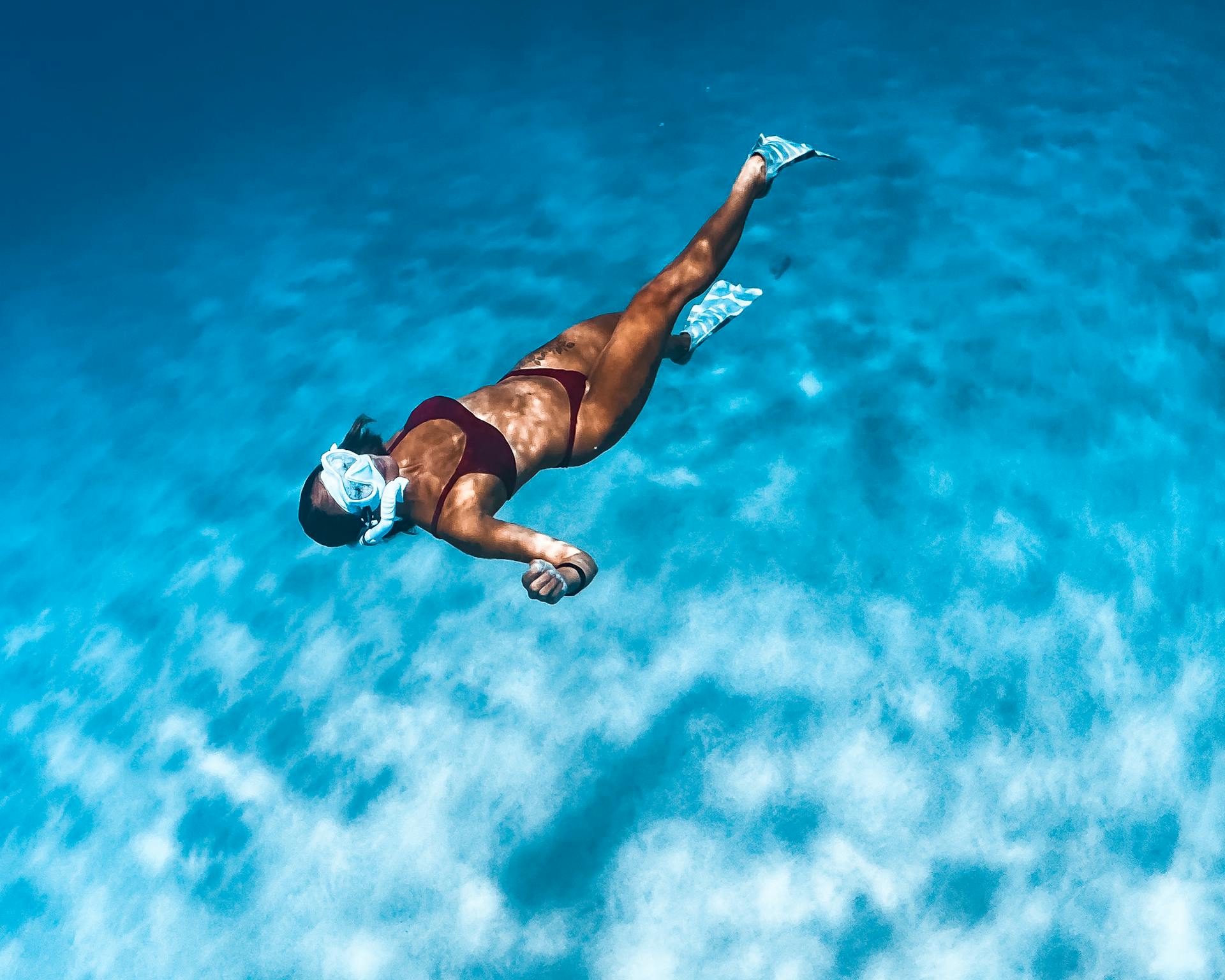
    snorkeling in Fuerteventura from the beach

    • Water temperature: roughly 24 to 25 degrees between August and October, around 18 to 20 degrees between January and April
    • Visibility: commonly 10 to 25 meters and often clearest in late summer and early autumn when seas are calmer
    • Best months: June to October for warm water and frequent calm mornings, the rest of the year is fine if you pick sheltered bays
    • Wind: trade winds tend to build by late morning, so mornings are usually calmer and clearer
    • Tide: for lagoon reefs like El Cotillo, mid to high tide gives enough depth, for simple sandy bays, tide is less important than wind and swell
    • Plan B: if the north or west is windy or rough, move to east coast areas such as Caleta de Fuste or El Jablito

    Fuerteventura sea life and what you will see
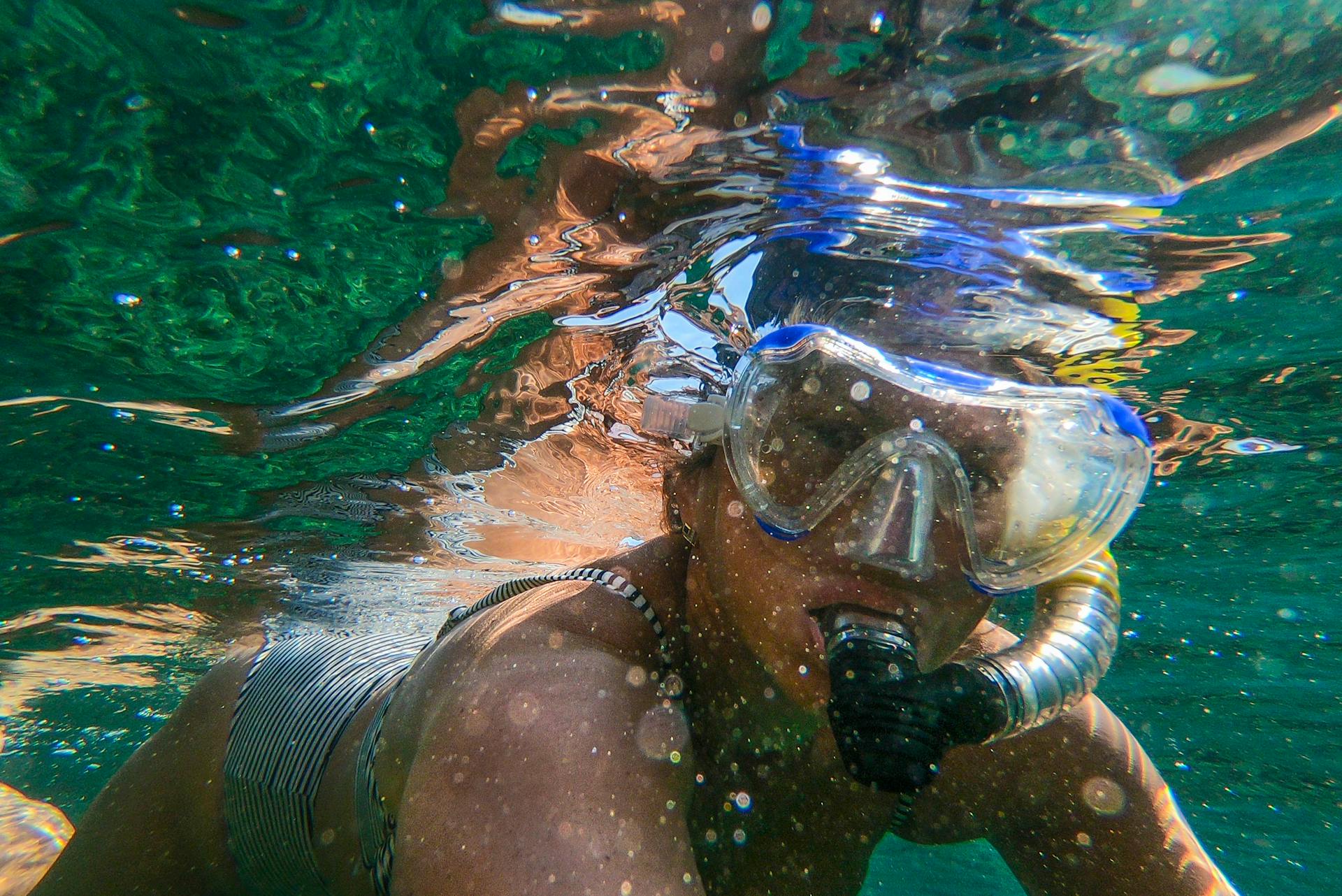
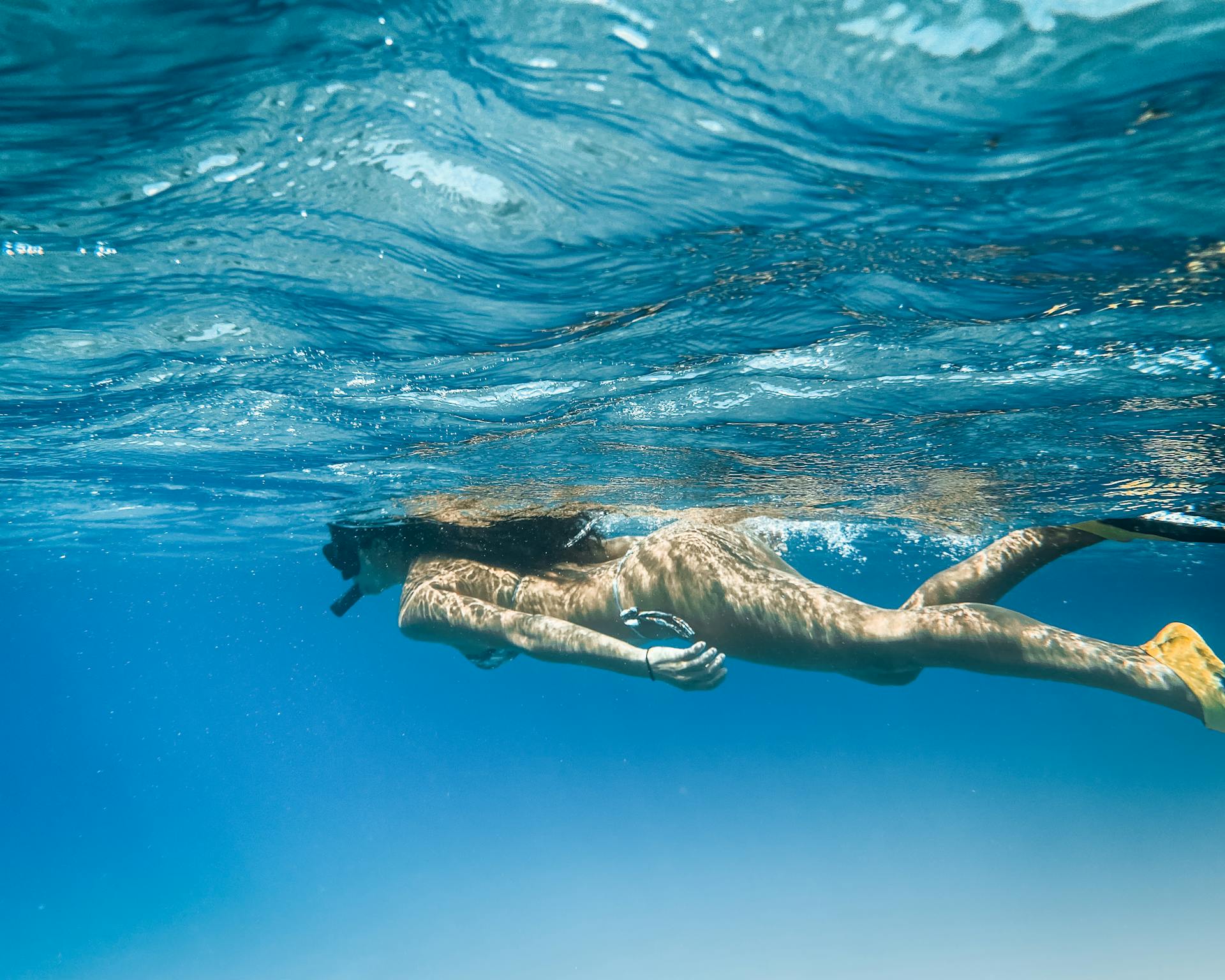
    person snorkeling and watching fish in Fuerteventura

    Snorkeling in Fuerteventura is not about coral, but about clean water and lively fish communities. You can expect:

    • Parrotfish (vieja) with bright colors and strong beaks
    • Ornate and rainbow wrasse constantly moving around rocks
    • Blue or sergeant damselfish defending small territories
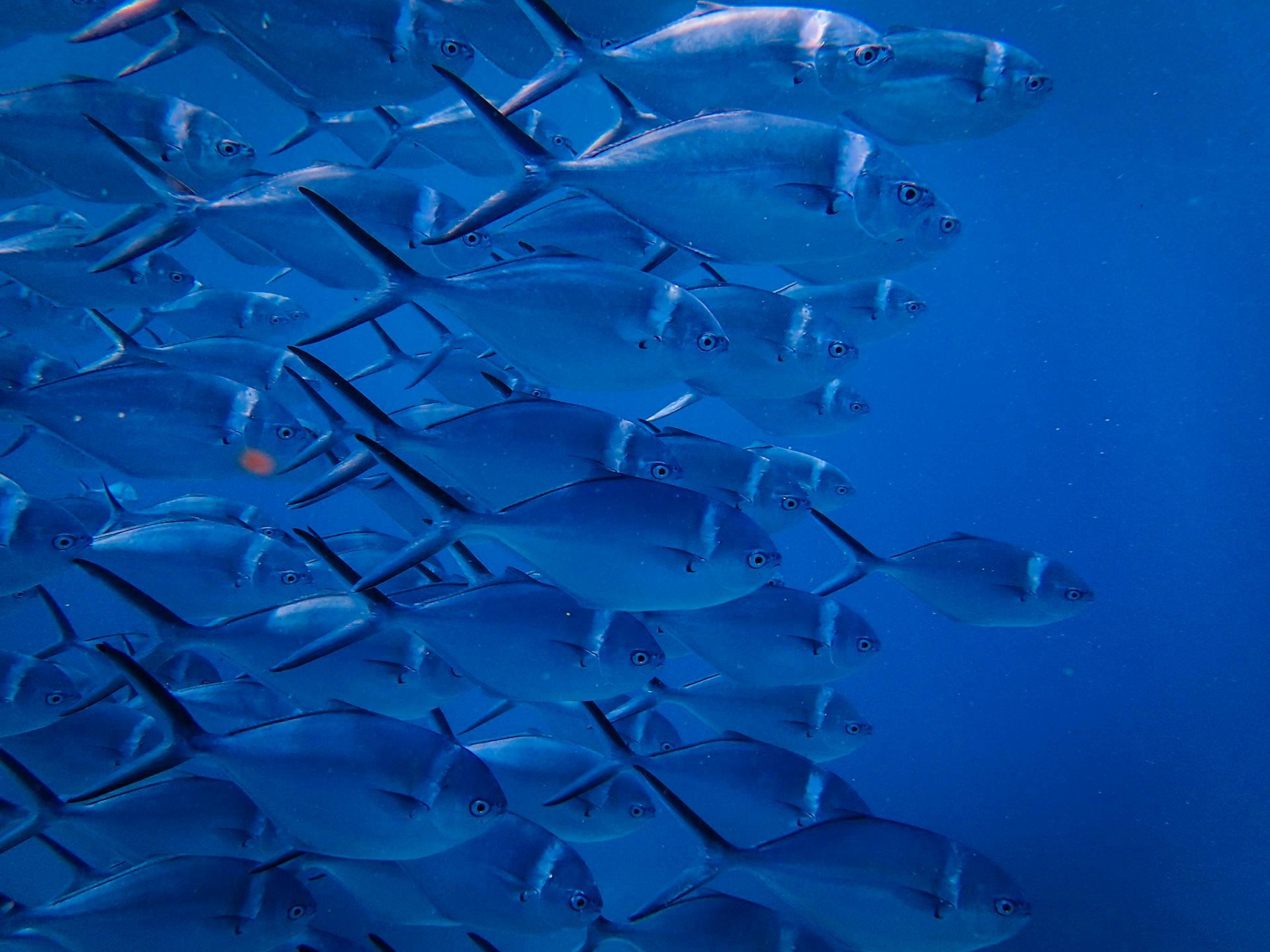
    • Salema and zebra bream cruising in small groups
    • Trumpetfish hovering around ledges
    • Gobies and flatfish on sandy patches
    • Cuttlefish and octopus for patient observers near rock holes
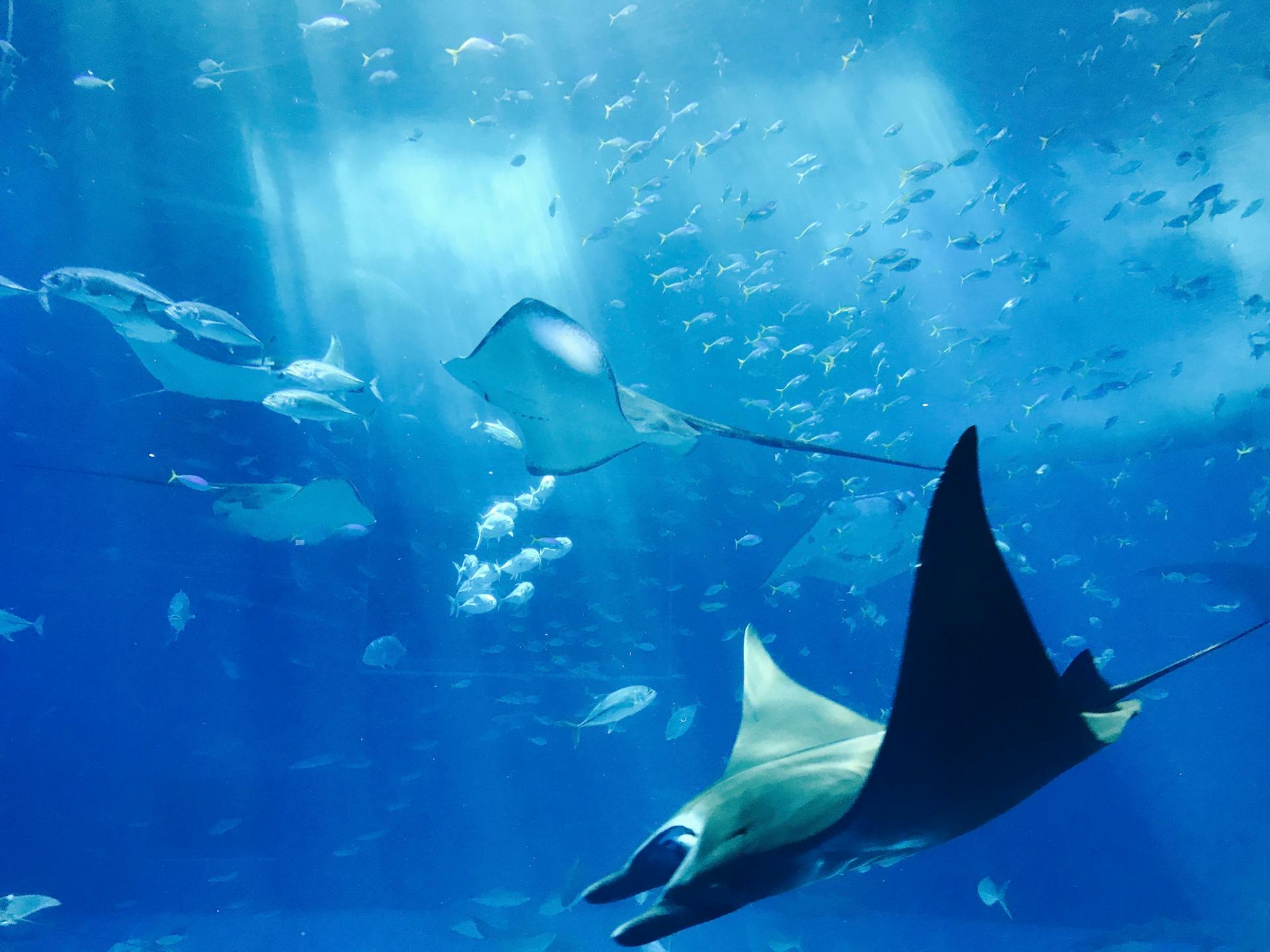
    • Rays from time to time over deeper sandy tongues

    Sea turtles sometimes pass near shore but this is rare, so treat any sighting as a bonus and keep a respectful distance.

    Family friendly and beginner picks
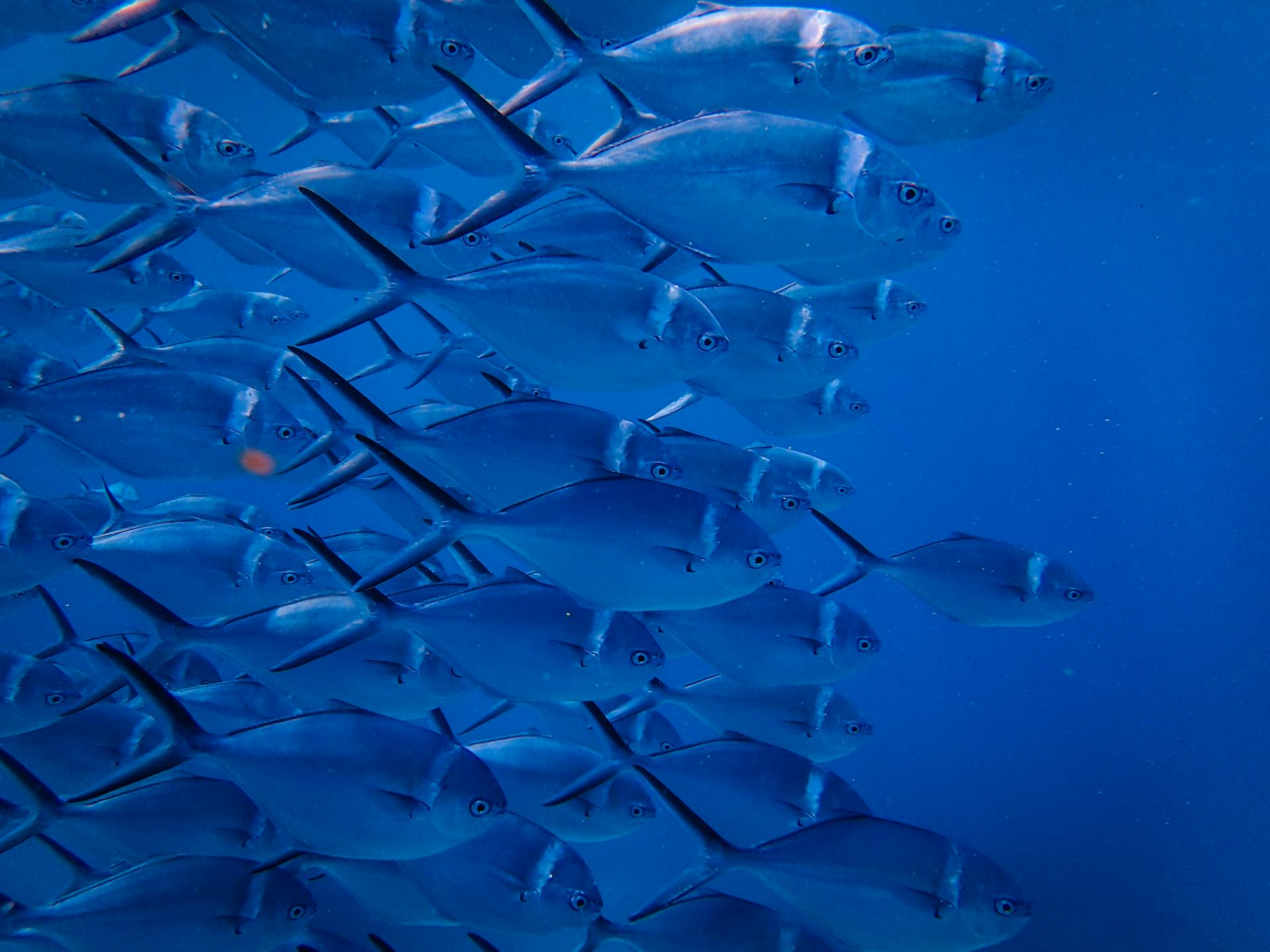
    colorful reef fish seen while snorkeling in Fuerteventura

    Some places are much easier for beginners and children than others. If you are new to snorkeling, focus on these spots first.

    • El Cotillo lagoons at mid to high tide, pool like conditions and gentle slopes
    • Caleta de Fuste with sandy entries, services nearby and often lifeguards in season
    • El Jablito with a calm village inlet that is easy to enter and exit
    • El Puertito on Lobos on calm days, very shallow clear water over pale sand

    Gear and comfort

    • Mask and snorkel: choose a low volume mask that seals well to your face and a simple snorkel that you find easy to clear
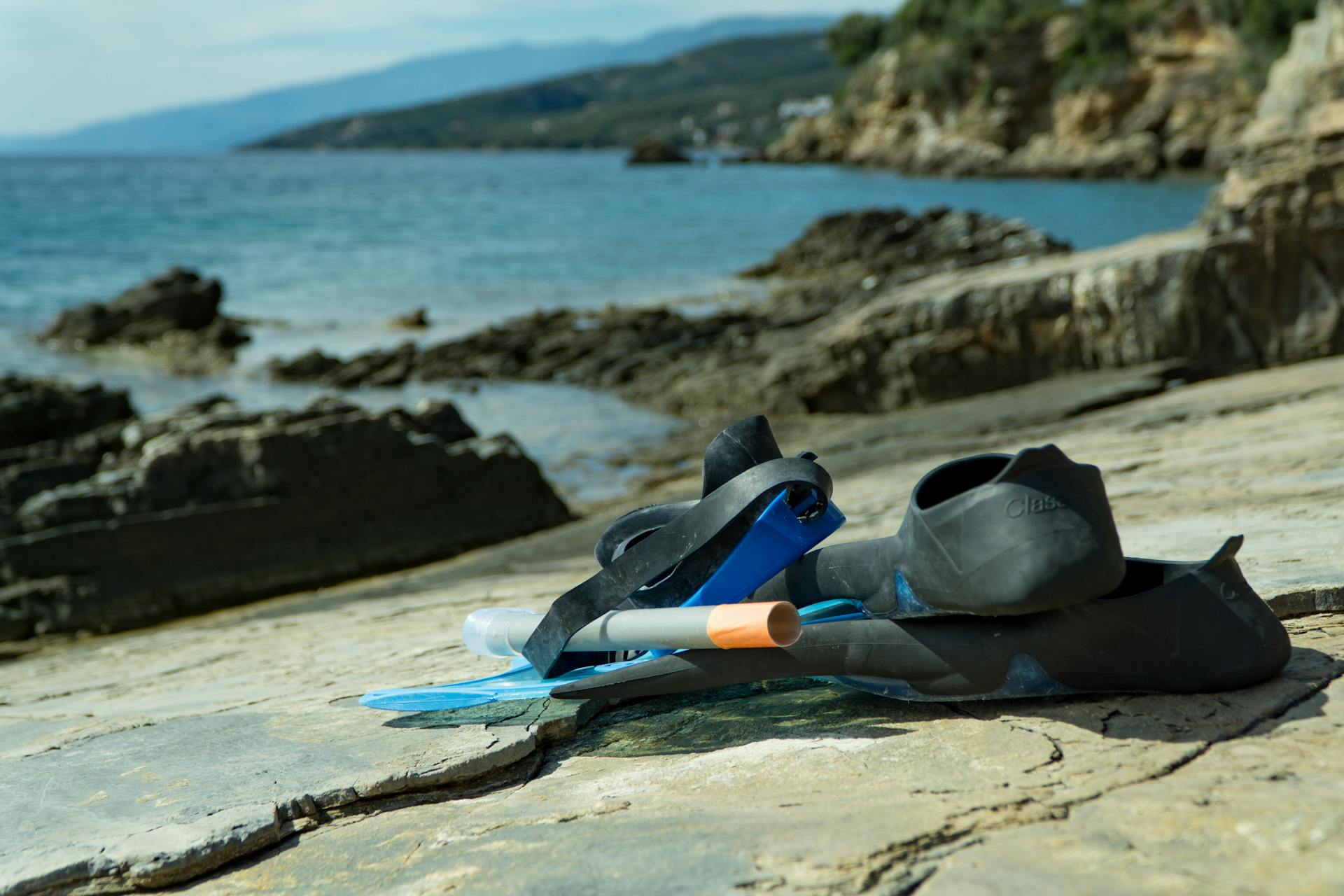
    • Fins: short fins are perfect for shore entries and gentle reef swimming
    • Wetsuit or rash guard: in summer many people are fine with a rash guard, from November to May a two to three millimeter suit keeps you comfortable for longer sessions
    • Booties: neoprene boots protect from sea urchins and sharp lava rock
    • Sun protection: use reef safe sunscreen and long sleeve tops, the sun is strong even on breezy days
    • Safety float: a bright float or buoy makes you more visible to other water users

    Safety essentials and important disclaimer

    Snorkeling in Fuerteventura can be very safe if you respect the sea. Conditions change with wind, tide and swell, and can be very different between the open west coast and sheltered east bays. Use the following guidance as a starting point and always trust local information.

    • Check the flag system on lifeguarded beaches. A red flag means no swimming. Even if the sea looks calm, there can be strong currents or dangerous waves.
    • Be aware of currents. If you feel the water pulling you sideways along the beach or outwards from the shore, turn back and return to shallow water immediately.
    • Respect the west coast. Open ocean beaches near El Cotillo and on the west side often have strong surf and powerful currents. Many days they are better for walking and photos than for snorkeling.
    • Avoid rocky entries in swell or strong wind. Waves can knock you on to lava rock and make exits difficult. Choose sandy entries when the sea is lively.
    • Stay inside swim zones. Keep within buoy lines where they exist and never cross into boat or jet ski lanes, harbours or busy channels.
    • Keep distance from breakwaters and harbour walls. Waves can rebound off hard structures with unexpected force.
    • Watch your step on rocks. Sea urchins live in holes and cracks. Look where you place your feet and wear booties whenever possible.
    • Check for jellyfish or Portuguese man o war. Ask lifeguards and look for warning signs. If you see many in the water or washed on the beach, it is better to skip the session.
    • Use a safety float. A bright float helps others notice you and gives you something to hold if you feel tired.
    • Do not snorkel alone at remote spots. Go with a partner and tell someone on land where you are going and when you plan to return.
    • Exit the water early if conditions change. If visibility drops, waves increase or you feel cold or tired, end the session in a calm and controlled way.

    Important disclaimer

    Sea and weather conditions around Fuerteventura can change quickly and can vary greatly from one beach to another. The information in this guide is general and cannot replace local advice on the day. Always follow signs, flag systems and lifeguard instructions. You are responsible for your own safety and for assessing whether conditions are suitable for you and your group. If you are not sure, do not enter the sea.

    Easy self guided snorkeling itineraries

    Corralejo and Lobos classic

    Take a morning boat from Corralejo to El Puertito on Lobos for shallow snorkel circuits, enjoy a picnic in the shade and return to Corralejo for a dune walk or a sunset on the town beach.

    Northwest lagoons day

    Start at El Cotillo lagoons at mid to high tide, relax in calm pools, then head into the village for coffee or ice cream and finish the day with a stroll along La Concha beach during golden hour.

    East coast family loop

    Begin with a warm up snorkel in Caleta de Fuste, take a break on the promenade for lunch, then move on to El Jablito for a quiet afternoon in the village cove.

    Frequently asked questions

    Is Fuerteventura good for beginner snorkeling?
    Yes. Spots like El Cotillo lagoons, Caleta de Fuste, El Jablito and El Puertito on Lobos during calm days are very beginner friendly.

    Do I need a wetsuit to snorkel in Fuerteventura?
    In summer many people snorkel in just swimwear and a rash guard. From November to May, a two to three millimeter suit makes the experience more comfortable, especially if you stay in the water for a long time.

    Where is the clearest water in Fuerteventura?
    On many days the clearest water can be found around Isla de Lobos and in the El Cotillo lagoons. Calm mornings on the east coast can also offer excellent visibility.

    Do I need a permit for Lobos?
    Access rules for Lobos can change and there may be limits on visitor numbers. Check locally in Corralejo and always follow current regulations about landing and swimming areas.

    Are there dangerous animals when snorkeling?
    Most marine life is harmless if you do not touch or disturb it. Jellyfish and Portuguese man o war can appear, especially in certain conditions. If they are present in large numbers, it is safer to stay out of the water.

    Responsible snorkeling

    • Do not touch, chase or feed marine animals, this stresses them and changes natural behaviour
    • Keep your fins away from seagrass meadows and fragile algae on rocks
    • Use reef safe sunscreen and allow it to absorb before entering the sea
    • Never throw rubbish or food into the water and take all waste back with you
    • Avoid standing on living rock or any area with growth, use sand patches to rest if needed

    The information in this article is offered for general guidance only. It is not personal safety advice and does not guarantee that any location or activity is safe on a particular day. Ocean and weather conditions can change quickly in Fuerteventura. Always check local conditions, obey signs and flags, and follow instructions from lifeguards and authorities. By entering the sea you accept that you are responsible for your own safety and for the safety of anyone in your care.
  • Snorkeling in Gran Canaria: Best Spots, Seasons, Marine Life & Safety

    Snorkeling in Gran Canaria: Best Spots, Seasons, Marine Life & Safety

    Gran Canaria is one of the easiest places in the Canary Islands to enjoy clear water, colorful reef life and safe beach entries. The island has sheltered lagoons, natural pools, rocky reefs and spots with excellent visibility in summer and early autumn. This guide shows you the best snorkeling beaches in Gran Canaria, where to go for beginners, how to choose the right conditions and what marine life you can expect to see.

    Contents

    Top 7 Snorkeling Spots in Gran Canaria

    If you want a quick list of the best places to snorkel, start here:

    • Las Canteras (La Barra reef) – calm lagoon-like conditions at the right tide
    • Risco Verde, Arinaga – clear water and steady fish life in summer
    • Playa del Cabrón – the most marine-rich area, best on calm days
    • Playa de Amadores – sheltered and perfect for beginners
    • Puerto de Mogán – easy entry and good visibility near the rocks
    • Anfi del Mar – gentle beach with small reef sections
    • Sardina del Norte – excellent clarity and a chance of rays

    Gran Canaria Snorkeling Map (Text Overview)

    Here is a simple breakdown of where the island’s main snorkeling areas are located:

    North

    • Sardina del Norte
    • Puerto de las Nieves
    • El Puertillo natural pools

    East

    • Risco Verde, Arinaga
    • Zoco Negro sea pool
    • Playa del Cabrón reef

    South and Southwest

    • Playa de Amadores
    • Puerto de Mogán
    • Anfi del Mar

    Las Palmas City

    • Las Canteras beach and La Barra reef
    • El Confital

    Best Snorkeling Beaches by Region

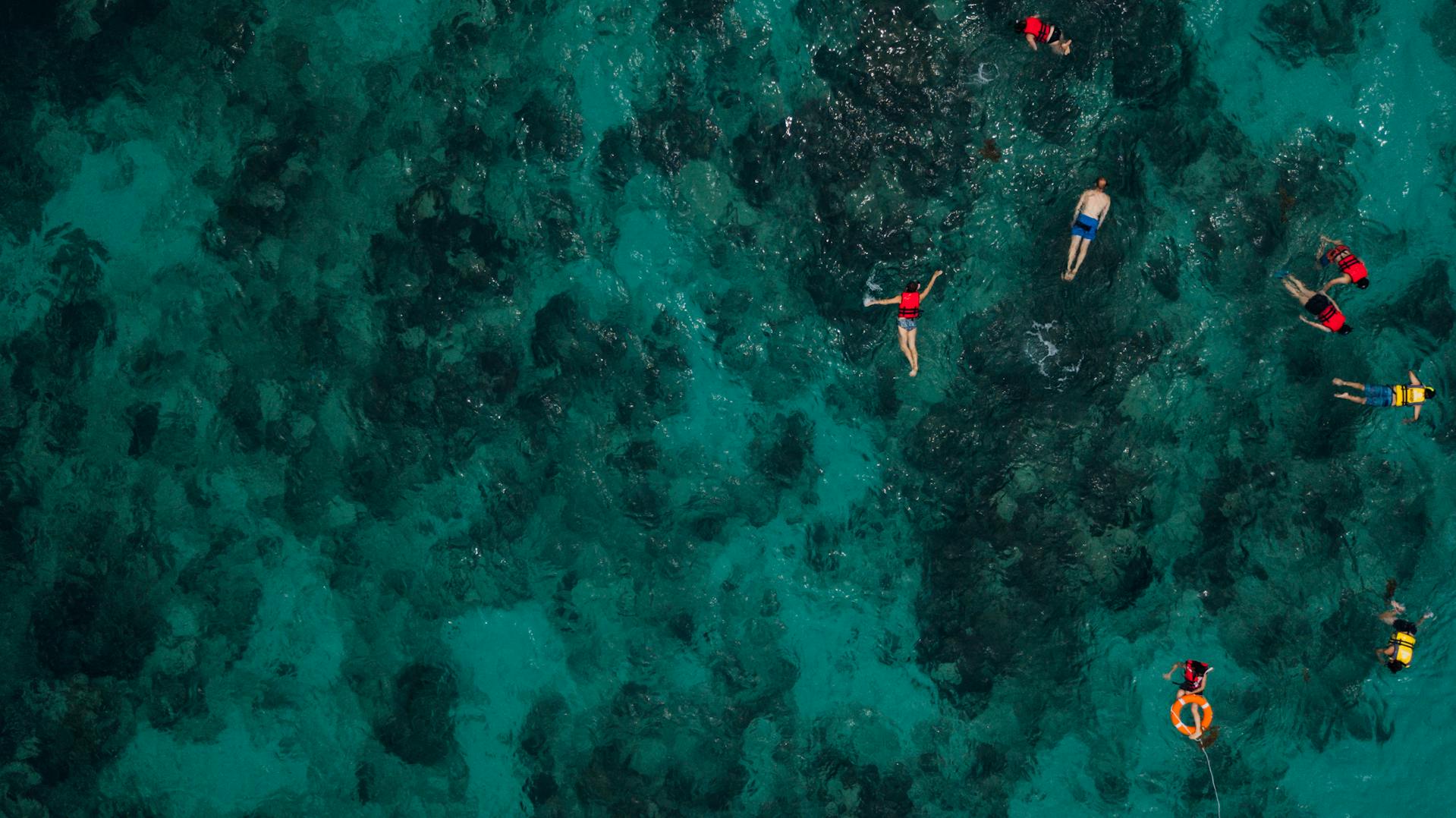
    snorkeling in Gran Canaria aerial view

    Las Palmas and Northeast

    Las Canteras, La Barra reef

    One of the best urban snorkeling beaches in Spain. A long natural rock reef creates calm water at the right tide. The southern section near Playa Chica is especially good for first timers.

    • Best tide: mid to low tide for protected conditions
    • What you will see: parrotfish, damselfish, wrasse and sometimes octopus
    • Tip: mornings have less wind and better visibility

    El Confital

    Very clear water on calm days with rocky shelves and deeper blue sections. Avoid if there is swell or strong wind.

    East Coast (Arinaga and Marine Reserve)

    snorkeling with rays Gran Canaria

    Risco Verde, Arinaga

    Easy access into a rocky reef with reliable visibility during summer and early autumn. Small shoals gather near the edges of the reef.

    • Watch your step: sea urchins are common on the rocks

    Zoco Negro sea pool

    A calm man-made pool filled with marine life. Its sheltered shape makes it one of the easiest snorkeling spots on the island.

    Playa del Cabrón (Marine Reserve)

    The richest underwater area in Gran Canaria. Expect arches, volcanic shelves and many species of reef fish. Access is along a rough track and conditions must be calm.

    South and Southwest

    Playa Amadores snorkeling Gran Canaria

    Playa de Amadores

    Breakwaters create a shallow, protected bay. Follow the rocks along the left arm for colorful fish. This beach is one of the best options for children and first-time snorkelers.

    snorkeling at Puerto de Mogan Gran Canaria

    Puerto de Mogán

    Walk to the far-left rocky corner of the beach to find clear water and friendly fish. Visibility is often high in calm weather.

    Anfi del Mar snorkeling

    Anfi del Mar

    Very gentle sandy entry with reef sections close to the breakwaters. A great confidence builder for beginners.

    North and Northwest

    Sardina del Norte

    A favorite among divers and snorkelers due to excellent clarity. At times, rays glide over the sandy patches near the jetty.

    Puerto de las Nieves, Agaete

    Sheltered swim zones offer a mix of rocky corners and sandy bottoms. Stay well inside the buoy lines and away from boat lanes.

    El Puertillo natural pools

    A reliable backup when the north is rough. The natural pools shelter colorful fish and are ideal at mid tide.

    Seasonal Conditions and Water Temperature

    • August to October: warmest water and best visibility
    • June to July: good conditions with moderate water warmth
    • November to May: cooler water and more swell, choose sheltered beaches
    • Time of day: mornings are usually calmer, afternoons can get windy

    Water temperatures range from about 18 to 19 degrees in winter to around 24 to 25 degrees in late summer.

    What You Will See

    underwater snorkeling view Gran Canaria

    Gran Canaria has colorful reef life year round. Common sightings include:

    • Parrotfish (vieja)
    • Ornate wrasse
    • Damselfish
    • Salema and bream
    • Trumpetfish
    • Cuttlefish and octopus

    Rays are possible on calm days, especially over sandy areas in the north and east.

    Beginner and Family Friendly Snorkeling

    beginner friendly snorkeling Gran Canaria

    The easiest beaches for beginners and children are:

    • Playa de Amadores
    • Anfi del Mar
    • Puerto de Mogán
    • The protected lagoon behind La Barra at Las Canteras (at the right tide)

    These locations offer shallow water, easy entries and calm conditions most of the year.

    Gear and Comfort

    snorkeling gear Gran Canaria

    • Mask and snorkel: choose a low-volume mask with a good seal
    • Fins: short fins are best for easy entries
    • Exposure protection: rash guard in summer and a two to three millimeter suit in winter
    • Footwear: neoprene booties help on sharp lava rock
    • Sunscreen: use reef-safe formulas
    • Safety float: makes you more visible in open water

    Safety Essentials

    snorkeling safety Gran Canaria

    Snorkeling in Gran Canaria is easy and enjoyable, but conditions can change quickly. The following safety advice helps keep your experience safe and predictable.

    • Check beach flags on lifeguarded beaches. Red means no swimming and conditions can be dangerous even if the water looks calm.
    • Watch for currents. Many beaches have gentle waves near the shore but stronger currents near rocky points or open water. If the water pulls you sideways or seaward, turn back immediately.
    • Never enter water near surge channels. These narrow rock corridors can create powerful water movement that is difficult to escape.
    • Avoid rocky entries during swell. Waves can knock you onto sharp lava rock. If waves are breaking on the rocks, choose a sandy entry.
    • Stay inside swim zones. Marked areas keep you away from boats and jet skis. Never cross into boat lanes or harbor entrances.
    • Keep a safe distance from cliffs and breakwaters. Waves can rebound off walls with unpredictable force.
    • Look before you step. Sea urchins hide in cracks and can be painful if stepped on. Neoprene booties prevent most injuries.
    • Check for jellyfish or Portuguese man o war. Ask lifeguards or look for warning signs. Their stings can be painful and currents may bring them into beaches without warning.
    • Use a bright safety float if you snorkel outside shallow areas. It helps you stay visible to boats and other swimmers.
    • Do not snorkel alone at remote reefs. Always tell someone your plan and estimated return time.
    • Stay within your limits. If visibility drops, if the water becomes choppy or if you feel tired, exit the water calmly.
    • Enter and exit slowly. Walk backward in shallow water with fins on. Waves can make entry tricky if you rush.

    Important Disclaimer

    Sea conditions can change throughout the day and vary by location. All information in this guide is general and may not reflect real time conditions. Always follow local signs and lifeguard instructions. The final decision to enter the water is your own responsibility. If in doubt, do not enter the sea.

    Mini Snorkeling Itineraries

    Easy Southwest Sampler

    Start at Amadores, move on to Puerto de Mogán for a snorkel along the rocks, enjoy a relaxed lunch in the port and finish with a calm swim at Anfi del Mar.

    East Coast Reef Day

    Begin at Risco Verde in the morning, have lunch in Arinaga and finish with a relaxed dip in the Zoco Negro sea pool.

    Las Palmas Without a Car

    Snorkel at Las Canteras around mid to low tide, have lunch near La Puntilla and walk towards the El Confital viewpoint for sunset.

    Frequently Asked Questions

    Is Gran Canaria good for beginners?
    Yes. Several beaches have sheltered water and easy entries.

    Where is the clearest water?
    Often in the southwest coves such as Mogán and Amadores, and on calm days around Arinaga.

    Do I need a wetsuit?
    You may want one in winter. In summer a rash guard is usually enough.

    Can I see turtles or rays?
    Rays are possible in sandy areas. Turtles are occasional visitors but not guaranteed.

    Is snorkeling possible in winter?
    Yes, but choose protected beaches during swell or windy days.

    Responsible Snorkeling

    • Do not touch or feed marine life
    • Keep fins away from seagrass meadows
    • Use reef safe sunscreen
    • Avoid standing on living rock or coral
    • Take all waste with you
  • The Nicest Towns & Villages in Tenerife: A Local-Style Guide to the Island’s Most Beautiful Places

    The Nicest Towns & Villages in Tenerife: A Local-Style Guide to the Island’s Most Beautiful Places

    Tenerife is full of charming old towns, mountain villages and colorful coastal spots where you can wander quiet streets, taste local food and enjoy views that change around every corner. This guide gives you an easy overview of the most beautiful towns in Tenerife, including traditional villages in the north, sunny seaside areas in the south and calm highland settlements close to Teide National Park.

    Contents

    Quick Overview: Which part of Tenerife is the nicest

    The answer depends on what you enjoy the most. Travellers who love historic streets, green valleys and dramatic coastlines often prefer the north. Visitors who want warm weather, beaches and an easy holiday atmosphere usually choose the south. The good news is that Tenerife is small enough to explore both sides without long drives.

    North and South Tenerife at a Glance

    RegionVibeBest ForRepresentative Towns
    NorthGreen scenery, historic streets, cooler eveningsOld towns, hiking, food lovers, scenic drivesLa Orotava, Garachico, Icod de los Vinos, La Laguna, Taganana, El Sauzal
    SouthSunny days, beaches, relaxed resort feelSwimming, watersports, nightlife, family holidaysEl Médano, Los Gigantes, Alcalá, coastal resort areas
    HighlandsPine forests, mountain villages, fresh airViewpoints, stargazing, hikingVilaflor, Arona town

    Top 12 Most Beautiful Towns and Villages in Tenerife

    This list highlights Tenerife’s most picturesque old towns, peaceful mountain settlements and authentic coastal spots. Each one includes a short explanation of why it is a great place to visit and what makes it special.

    1) La Orotava – Historic Architecture and Valley Views

    La Orotava old town Tenerife

    Why go: La Orotava is considered one of the nicest towns in Tenerife thanks to its elegant mansions, carved balconies, award winning gardens and wide views across the valley.

    • Highlights: Traditional Canarian balconies, green courtyards, churches and scenic viewpoints.
    • Best for: Architecture fans, photographers and slow strolls.
    • Time needed: Several hours is enough, but an overnight stay lets you enjoy the quiet evenings.
    • Seasonal tip: Early summer brings colorful street decorations for local festivities.

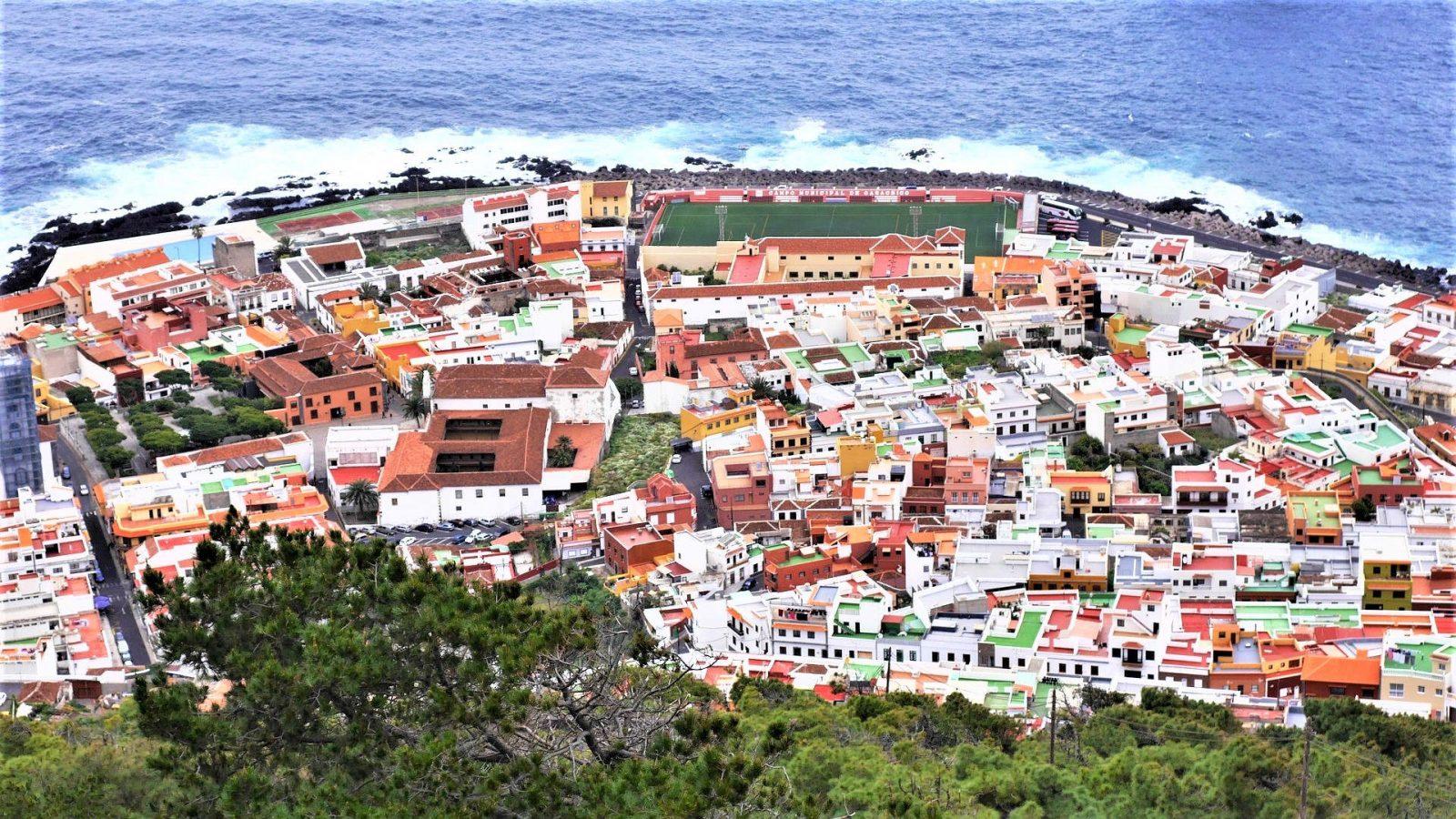
    2) Garachico – Coastal History and Natural Rock Pools

    Garachico Tenerife lava pools

    Why go: Garachico is one of the most atmospheric coastal towns in Tenerife. Rebuilt after an eruption centuries ago, it now offers calm plazas, stone churches and beautiful lava pools by the sea.

    • Highlights: Natural pools, small fortress, lovely cafés and artisan shops.
    • Best for: Coastal walks and heritage sightseeing.
    • Pair with: Icod de los Vinos for wine tasting.

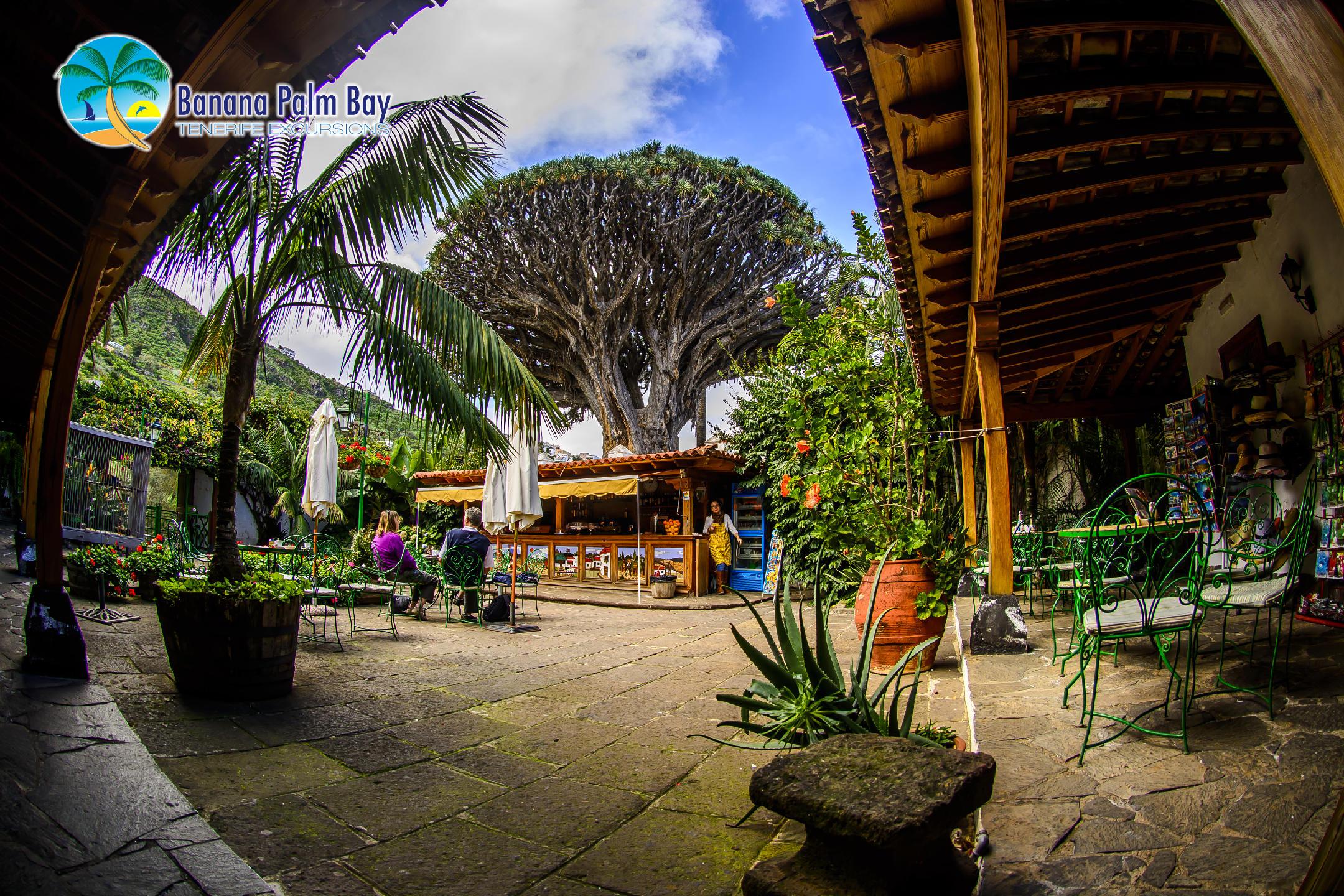
    3) Icod de los Vinos – Dragon Tree and Wine Culture

    Icod de los Vinos Dragon Tree Tenerife

    Why go: Known for the ancient Dragon Tree and pleasant local squares, Icod is full of small details, tasting rooms and a relaxed historic center.

    • Highlights: Dragon Tree park, traditional streets, wine houses and viewpoints.
    • Best for: Culture, food and quiet exploration.
    • Time needed: Two to four hours.

    4) San Cristóbal de La Laguna – UNESCO Old Town

    La Laguna old town Tenerife

    Why go: La Laguna has colorful facades, peaceful patios and a lively atmosphere. It is one of the best preserved old towns in the Canary Islands and is listed as a UNESCO World Heritage Site.

    • Highlights: Historic buildings, coffee shops, museums and student energy.
    • Best for: Culture walks and urban explorers.
    • Tip: Morning and late afternoon bring soft temperatures for ideal strolling.

    5) Masca – Iconic Mountain Village

    Masca village Tenerife

    Why go: Masca is one of Tenerife’s most photographed places. Nestled among steep green ridges, it offers astonishing landscapes and a peaceful mountain atmosphere.

    • Highlights: Deep ravines, stone cottages and trailheads.
    • Best for: Hikers and scenic road trips.
    • Pro tip: Visit early to avoid traffic during popular times.

    6) Puerto de la Cruz – Seaside Town With Classic Charm

    Puerto de la Cruz Tenerife old town

    Why go: Puerto de la Cruz blends historic streets, botanical gardens and oceanfront promenades. It is a great base for exploring the north while staying close to the water.

    • Highlights: Old streets, ocean pools, seaside viewpoints and small museums.
    • Best for: Walkable stays and culture by the coast.

    7) El Médano – Windsurfing Hub With a Relaxed Feel

    El Médano beach Tenerife

    Why go: El Médano has long sandy beaches, a casual surf vibe and easy coastal walks. Montaña Roja gives the area a unique backdrop.

    • Highlights: Long bay, dunes, wind sports and beach cafés.
    • Best for: Affordable beach stays and a youthful atmosphere.

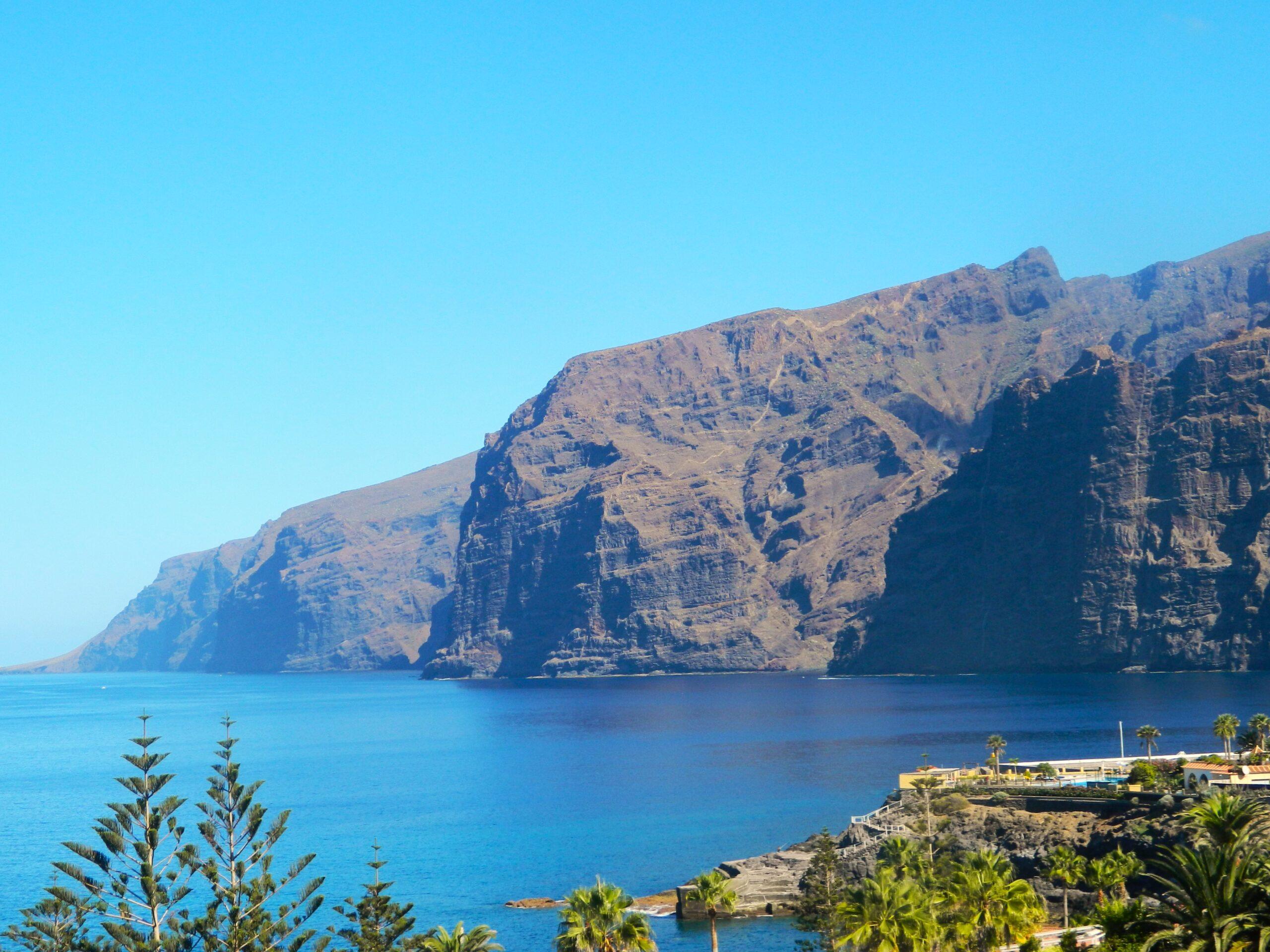
    8) Los Gigantes – Cliffs and Calm Seaside Life

    Los Gigantes cliffs Tenerife

    Why go: The huge basalt walls of Los Gigantes create one of the most impressive coastlines in Tenerife. The town is relaxed, friendly and ideal for simple seaside days.

    • Highlights: Cliff viewpoints, marina area and black sand beach.
    • Best for: First timers and easygoing seaside plans.

    9) El Sauzal – Sunset Balconies and Valley Views

    El Sauzal viewpoint Tenerife

    Why go: El Sauzal sits high above the Orotava Valley and offers some of the best sunset viewpoints in the north.

    • Highlights: Lookouts, trees, quiet cafés and nearby wineries.
    • Best for: Scenic stops and slow afternoons.

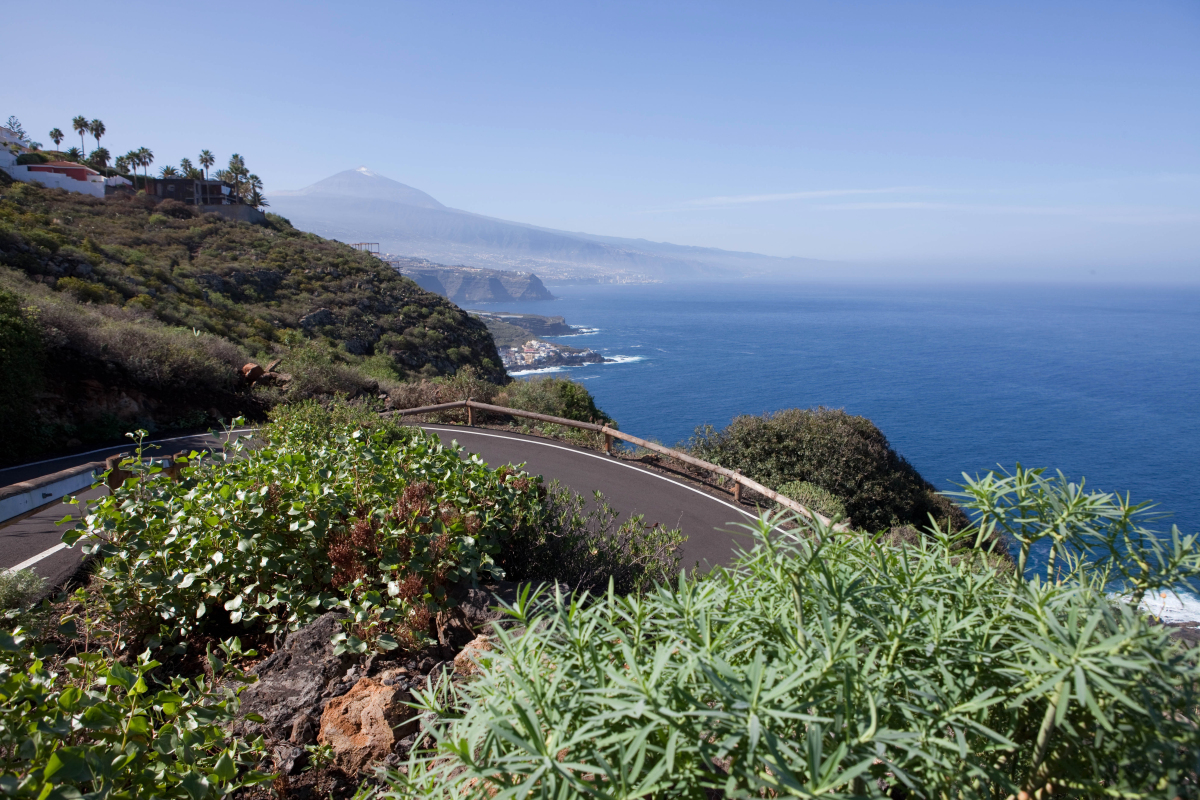
    10) Taganana – Wild North Scenery in Anaga

    Taganana village Tenerife

    Why go: Deep in Anaga Rural Park, Taganana has winding roads, dramatic cliffs and tiny restaurants serving local dishes. It feels far from the busy resorts.

    • Highlights: Green ravines, black sand beaches and overlooks.
    • Best for: Nature lovers and off the beaten path experiences.

    11) Candelaria – Tradition by the Sea

    Candelaria basilica Tenerife

    Why go: Candelaria is one of the most important spiritual towns in Tenerife and has a pleasant promenade with sculpture lines and ocean views.

    • Highlights: Basilica square, coastal statues and small beaches.
    • Best for: Culture, peaceful strolls and local cafés.

    12) Vilaflor – Mountain Air and Pine Forest Trails

    Why go: Vilaflor is one of the highest villages in Spain. Surrounded by pine forests, it is a peaceful base close to Teide National Park.

    • Highlights: Fresh air, viewpoints and hiking paths.
    • Best for: Stargazing and quiet rural nights.

    Weather Differences Between North and South Tenerife

    The north tends to be greener with more clouds and fresher evenings. The south is usually warmer, sunnier and drier, which is why many beach resorts are located there. Visitors who like cooler temperatures often prefer the north, while sun seekers usually stay in the south.

    Where to Stay for Families, Couples and Hikers

    • Families: Costa Adeje and Los Gigantes for calm beaches and easy services.
    • Couples: Garachico, La Orotava and Alcalá for charm and peaceful evenings.
    • Hikers: Vilaflor, Taganana and areas above La Orotava for trail access.
    • First timers: Puerto de la Cruz or the southwest coast for balance and convenience.

    Extra Scenic Spots

    • Bajamar has natural pools and Atlantic waves.
    • Punta del Hidalgo is ideal for coastal paths and wild landscapes.
    • Buenavista is colorful and leads toward Punta de Teno.
    • Alcalá offers quiet seafront walks and small beaches.
    • Arona town is a nice base for south side hiking paths.

    Suggested Day Trips and Mini Itineraries

    Tenerife day trips and old towns

    1) North Old Town Chain

    La Orotava → Icod de los Vinos → Garachico. A classic loop that combines architecture, wine tasting and seaside scenery.

    2) Wild Anaga Circuit

    La Laguna → Taganana coast → Forest viewpoints. Perfect for travelers who want contrast between heritage and green mountain landscapes.

    3) West Cliffs and Coast

    Los Gigantes → Buenavista or Punta de Teno. Ideal for dramatic ocean photos and calm seaside walks.

    4) South Coast Breeze

    El Médano → Montaña Roja. Easygoing beach time combined with a short walk up the volcanic cone.

    Practical Tips for Visiting Tenerife’s Old Towns

    • Rent a car if you want to reach smaller villages and viewpoints.
    • Start early for easier parking in places like Masca and Garachico.
    • Wear good footwear for cobblestones and slopes.
    • Expect microclimates and bring a layer in the north.
    • Follow safety signs at natural pools and black sand beaches.
    • Eat at guachinches in the Orotava Valley for authentic food.
    • Visit during golden hour for the best photos.

    FAQ: Nicest Towns, Old Towns and Areas to Stay in Tenerife

    What is the nicest town in Tenerife

    La Orotava often takes the top spot among visitors who love architecture and viewpoints. Garachico is a close favorite for its seaside atmosphere and natural pools. Masca is the most dramatic village if you enjoy mountain scenery.

    Which part of Tenerife is the most beautiful

    The north is known for green valleys, old towns and rugged coasts. The south is best for warm weather and beaches. Most visitors enjoy both during the same trip.

    Does Tenerife have real old towns

    Yes. La Orotava, La Laguna and Garachico have very well preserved historic centers with traditional architecture and local charm.

    Where should I stay on my first trip

    Puerto de la Cruz is a great choice if you want heritage and beach access in one place. The southwest coast is ideal for sunny days and resort comfort. For hiking trips, look at Vilaflor or rural areas above the Orotava Valley.

    What towns are best for scenic road trips

    The classic loop is La Orotava → Icod de los Vinos → Garachico. For more dramatic views, continue into Anaga or west toward Punta de Teno.

    Are there quiet and non touristy places in Tenerife

    Yes. Taganana, Punta del Hidalgo, Bajamar and small hamlets in the Orotava Valley feel calm and authentic, especially outside weekends.

    Related Searches Covered in This Guide

    This article is built to answer searches like prettiest towns in Tenerife, nicest town in Tenerife, nicest part of Tenerife, best villages in Tenerife, old towns in Tenerife, north Tenerife towns, scenic Tenerife villages and Tenerife day trip ideas.

    Final note: Many of Tenerife’s most beautiful towns are close to each other. With a bit of planning you can explore several in a single day and return later for the ones you want to enjoy more slowly.

  • Discover Everything about Beer in Tenerife: Local Brews, Prices & Where to Enjoy

    Discover Everything about Beer in Tenerife: Local Brews, Prices & Where to Enjoy

    Tenerife is famous for sun, beaches and nightlife, and it also has a very friendly beer culture. From simple local lagers to craft beer and Oktoberfest style parties, the island is a great place to discover new drinks. This guide walks you through Tenerife local beer, prices, how to order, where to drink and what to try in 2025.

    How Much Is a Beer in Tenerife in 2025

    Beer in Tenerife is still very affordable compared to many holiday destinations. In tourist areas like Las Américas, Costa Adeje and Playa de las Américas you usually pay:

    • 1€ to 2€ for a half liter of local draft beer during daytime offers and basic terraces
    • 2.50€ to 4€ in most standard bars and restaurants
    • 4€ to 6€ in cocktail bars, seafront lounges and hotel venues

    In supermarkets you often find cans or bottles of Tenerife beer from around 0.50€ to 1€ each, which is perfect for a sunset drink on your balcony or a picnic at the beach.

    Tenerife Beer Prices by Place

    Prices change a little depending on where you are on the island:

    • Tourist zones like Playa de las Américas and Costa Adeje are a bit higher but still good value
    • Local neighbourhood bars away from the seafront often have very cheap cañas and jarras
    • Beach bars charge more for the view but you pay for atmosphere and location

    If you look for happy hour signs or daytime offers you can find some of the best beer prices Tenerife has to offer.

    Tenerife Beer Brands and Local Favorites

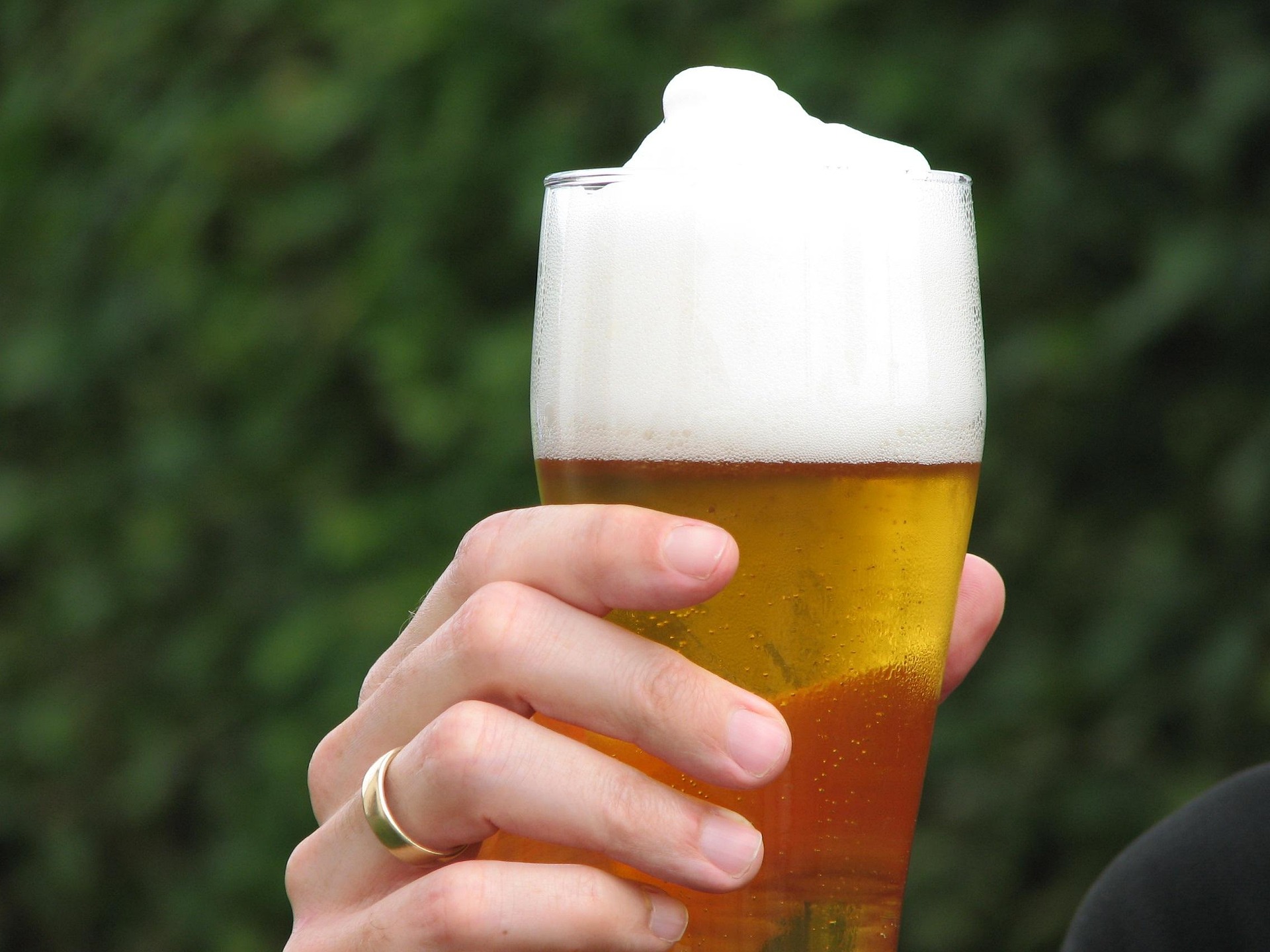
    local beer in Tenerife

    The Canary Islands have their own beer traditions and several brands you will see everywhere. The most popular beer in Tenerife is usually one of these three:

    • Dorada beer Tenerife
      Dorada is the classic Tenerife local beer and the bottle shows Mount Teide on the label. The standard Dorada is a light and easy lager that matches the warm climate. Dorada Especial has a slightly richer taste and a bit more strength, which makes it a good choice with food.
    • Tropical beer Tenerife
      Tropical is another very common brand on the islands. It is smooth, simple and refreshing, ideal when you just want a cold lager by the pool or on a terrace.
    • Reina beer Tenerife
      Reina is a local favorite in many traditional bars. It has a balanced taste and is often served in smaller taverns and neighbourhood cafés.

    These Tenerife beer brands are easy to find in bars, supermarkets and beach kiosks. They are also usually the cheapest option and a good way to taste local life on the island.

    How Strong Are Tenerife Beers

    Most Tenerife lagers are similar in strength to typical European beers. Exact values can change a little, but you can expect roughly:

    • Dorada around 4.5 to 4.8 percent alcohol
    • Dorada Especial around 5 to 5.5 percent alcohol
    • Tropical around 4.5 to 4.8 percent alcohol
    • Reina in a similar range to the other local lagers

    Bars must show the strength on the bottle or the tap, so you can always check if you prefer something lighter or a bit stronger.

    Chilled Beer Served Just Right

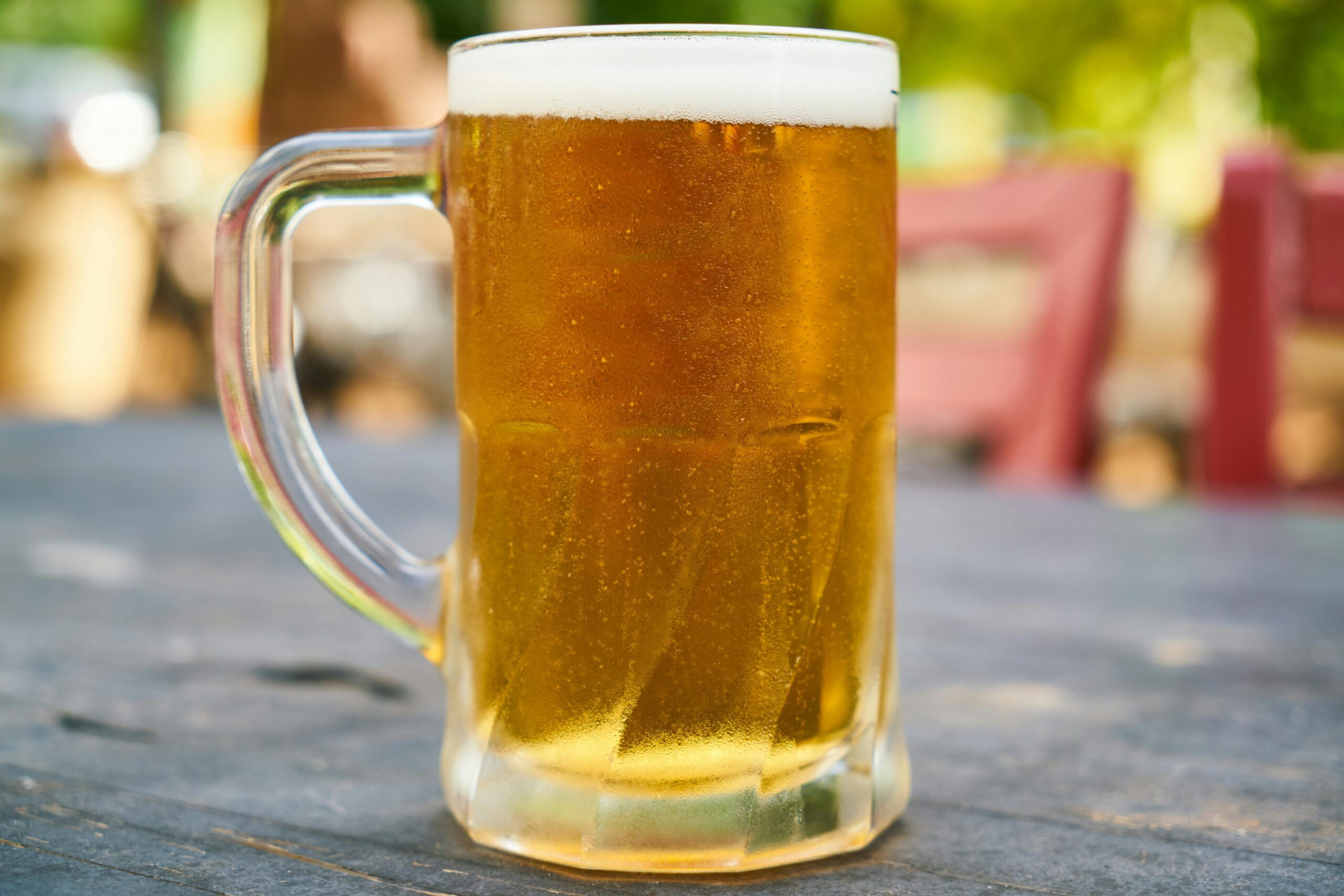
    beer in Tenerife at a bar

    Bars in Tenerife usually serve beer very cold, which is perfect for the island climate. Many places keep glasses in the freezer so your drink stays chilled for longer. You can order:

    • Caña a small draft beer, normally 20 to 25 cl
    • Jarra a large mug, around 50 cl
    • Botellín a small bottle
    • Botella a regular bottle, often 33 cl

    If you like a softer drink, try a shandy style mix with lemon soda, very popular on hot days.

    How to Order Beer Like a Local

    Ordering beer in Tenerife is simple. Some basic phrases:

    • Una cerveza, por favor a beer please
    • Una caña de Dorada a small draft Dorada
    • Una jarra de Tropical a large mug of Tropical
    • Una Dorada Especial de botella a bottle of Dorada Especial

    If you want to be sure you get local beer in Tenerife, just ask for Dorada, Tropical or Reina by name.

    Oktoberfest in Tenerife

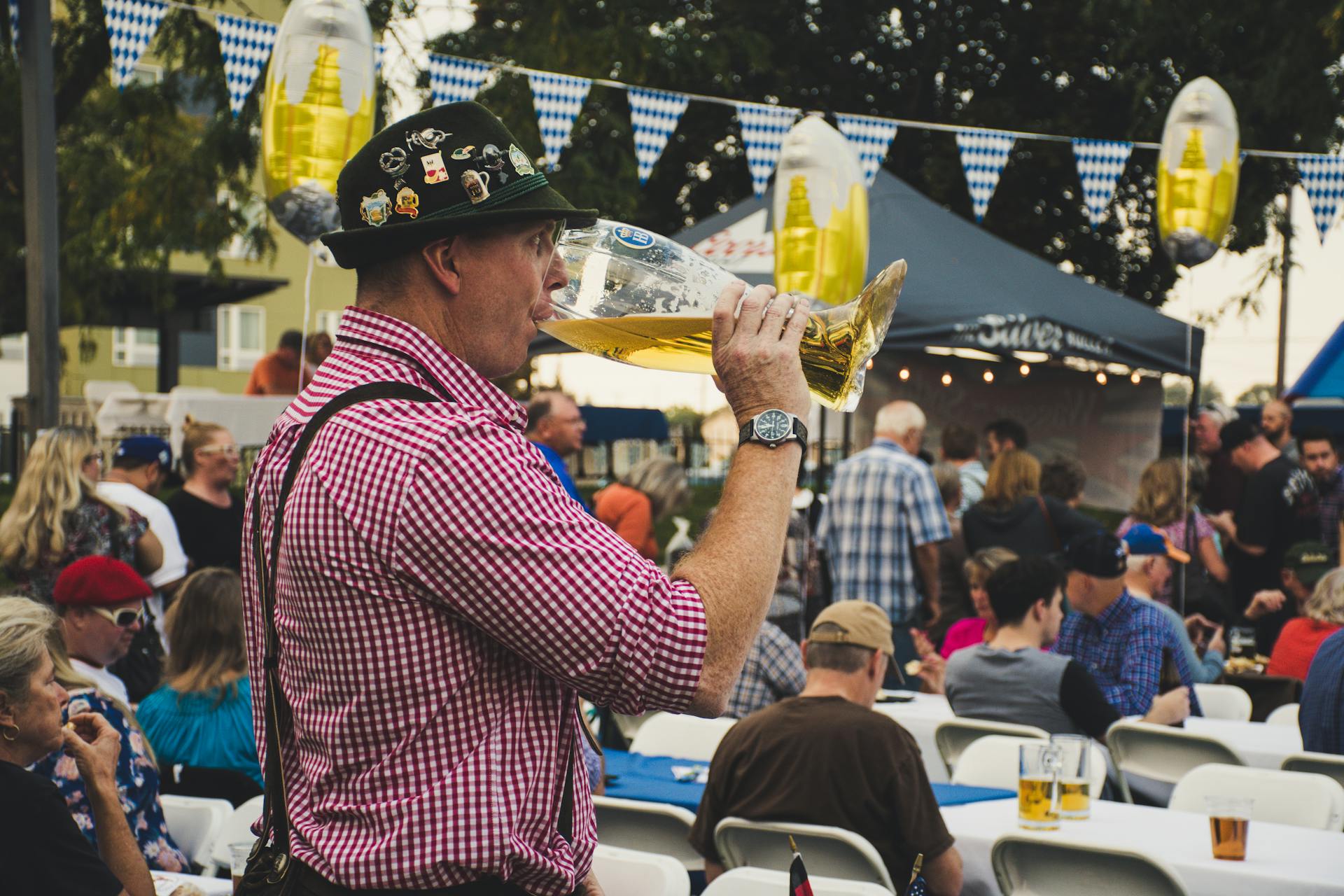
    Oktoberfest in Tenerife Puerto de la Cruz

    Every year Puerto de la Cruz hosts an Oktoberfest style celebration thanks to the strong German community on the island. The event started in the nineteen seventies and has grown into a popular festival with beer, live music and traditional food.

    The main party usually takes place around late September and early October in Plaza de Europa. Expect large mugs of beer, bratwurst, pretzels, folk bands and a mix of tourists and locals enjoying the evening air.

    Craft Beer Tenerife Guide

    If you enjoy tasting new styles, the craft beer Tenerife scene is worth a look. In recent years small breweries and bars have started to offer pale ales, IPAs, stouts and experimental drinks with local ingredients such as honey or tropical fruits.

    • In Santa Cruz you can find bars and microbreweries serving local craft beer on tap
    • In Puerto de la Cruz and La Laguna some small pubs specialise in craft bottles and guest taps
    • In Playa de las Américas you sometimes find sports bars or pubs with imported craft brands

    Ask the bartender for local craft recommendations and you may discover a new favorite alongside the classic Dorada beer Tenerife offers.

    Where to Enjoy the Best Beer in Tenerife

    Playa de las Américas

    This is one of the liveliest areas on the island and a great place to explore beer in Tenerife. You will find seafront terraces, sports bars and pubs where local lagers and imported brands are served from midday until late at night. A cold pint at sunset on the promenade is a classic holiday moment.

    Costa Adeje

    Costa Adeje has stylish hotels and relaxed beach bars. Many places offer local beer with views over the ocean, often with snack menus or tapas. Look for happy hour boards if you want the best beer prices Tenerife can offer in this area.

    Puerto de la Cruz

    This northern town has a more traditional feel with old streets, plazas and local bars. It is also the centre of the island Oktoberfest. Here you can sip a Dorada or Tropical in a small tavern or try craft beer in one of the newer pubs.

    Santa Cruz de Tenerife

    The capital combines city life with a growing craft beer culture. You can visit modern bars that focus on different styles and sometimes offer tasting flights, which is perfect if you want to compare several beers in one evening.

    Beach Bars and Chiringuitos

    Across the coast of Tenerife you will see small beach bars that serve cold beer right by the sand. These chiringuitos are simple places with plastic chairs, amazing views and a relaxed atmosphere. Order a local lager, listen to the waves and enjoy the breeze.

    Pairing Beer with Local Food

    beer and tapas in Tenerife

    Beer in Tenerife goes very well with the local cuisine. Some easy pairings:

    • Dorada Especial with grilled fish, seafood tapas or octopus
    • Tropical with patatas bravas, croquettes or fried squid
    • Reina with Canarian cheese, papas arrugadas and mojo sauces

    Many bars offer small raciones or sharing plates so you can try several dishes with your drink.

    Tips for Beer Lovers in Tenerife

    cold beer in Tenerife

    • Try at least one local brand and one craft beer during your stay
    • Check for daily deals or happy hour boards in busy tourist streets
    • Ask for a frosted glass if you want your beer extra cold
    • Carry some cash because small beach bars do not always accept cards
    • Drink water as well as beer, especially in the summer heat

    Conclusion

    Local beer in Tenerife is tasty, easy to find and friendly on the wallet. Classic brands like Dorada, Tropical and Reina give you a real taste of the islands, while craft beer Tenerife spots add something different for curious visitors.

    Whether you prefer a simple caña with tapas, a pint in a lively bar or a cold bottle while you watch the sunset, the best beer in Tenerife is the one you enjoy in good company. Raise your glass and discover the flavors of this volcanic island.

  • Celebrate New Year’s Eve in Fuerteventura 2025: Parties & Fireworks

    Celebrate New Year’s Eve in Fuerteventura 2025: Parties & Fireworks

    Welcome the new year surrounded by golden sand dunes, turquoise waters, and the relaxed island spirit. Fuerteventura offers one of the most unforgettable New Year’s Eve 2025 experiences in the Canary Islands — where mild weather, open-air parties, and ocean views set the perfect tone for celebration.

    Whether you’re looking for a lively beach party, an elegant hotel gala, or a peaceful night by the sea, this island has something for every style. Let’s explore where and how to celebrate the arrival of 2025 on this beautiful island.

    New Year’s Eve atmosphere in Fuerteventura

    December in Fuerteventura feels like spring, with average temperatures around 20–22°C (68–72°F). Locals and visitors take to the streets and beaches to dance, dine, and toast under the stars. The soft sea breeze and island charm make the night both festive and relaxed — a perfect balance between joy and serenity.

    Spanish traditions for the final night of the year

    New Year's Eve celebration in Fuerteventura

    Like everywhere in Spain, the island follows the beloved tradition of eating 12 grapes at midnight, one for each chime of the clock. Locals say it brings good luck and happiness for the year ahead. After the last bell, cava corks pop, hugs are exchanged, and fireworks illuminate the island’s night sky from Corralejo to Morro Jable.

    Bars, hotels, and town squares fill with music and dancing until the early morning. Fuerteventura might be peaceful by day, but on New Year’s Eve, it comes alive with laughter and celebration.

    Where to celebrate New Year’s Eve 2025 in Fuerteventura

    Corralejo

    The island’s main tourist hub, Corralejo, is the center of Fuerteventura’s nightlife. Head to Music Square (Plaza Félix Estévez) to join the official street party with live bands, DJs, and fireworks at midnight. Afterward, continue celebrating in one of the lively bars along the seafront or enjoy a midnight walk on the beach.

    Caleta de Fuste

    This family-friendly resort offers a mix of elegance and fun. Many hotels and restaurants host New Year’s Eve gala dinners with buffets, dancing, and champagne toasts. After midnight, people gather by the marina to watch the fireworks reflecting over the calm bay waters.

    Morro Jable and Costa Calma

    In the island’s south, Morro Jable and Costa Calma host festive dinners and seaside parties. The mood is more relaxed than in Corralejo but equally charming. You can enjoy live Canarian music, traditional food, and a peaceful toast overlooking the ocean. Many hotels organize shows and themed parties with open bars and dancing until late.

    Puerto del Rosario

    The capital city hosts one of the most authentic local celebrations. Join the crowd at Plaza de la Paz for live concerts, fireworks, and the countdown surrounded by locals and families. It’s a great place to experience true Canarian spirit and community celebration.

    El Cotillo

    If you’re looking for a quieter and more bohemian vibe, El Cotillo is your spot. The small coastal village is known for its relaxed atmosphere, surf culture, and beautiful beaches. Enjoy dinner at a seaside restaurant, watch the fireworks from the cliffs, and start 2025 with the sound of waves.

    Celebrate New Year’s on a boat

    For something truly special, welcome 2025 from the Atlantic Ocean. Boat hire with skipper is available from Corralejo or Caleta de Fuste. You’ll sail at sunset, enjoy food and drinks onboard, and have an unbeatable view of the fireworks at midnight. It’s an unforgettable experience for couples, families, or small groups.

    Fireworks and celebrations

    New Year's Eve celebration in Fuerteventura children

    Fireworks are launched from several towns including Corralejo, Puerto del Rosario, and Caleta de Fuste. The night sky lights up with colors that reflect beautifully over the sea — a breathtaking sight that makes everyone pause to appreciate the moment.

    Don’t miss the chance to walk along the beach afterward, enjoying the soft sand, laughter, and music echoing in the distance.

    Tips for your perfect New Year’s Eve in Fuerteventura

    • Book early: Hotel dinners and boat parties often sell out weeks before December 31st.
    • Bring your grapes: Prepare 12 grapes for the midnight tradition.
    • Dress comfortably: Evening temperatures are mild — a light jacket is enough.
    • Stay safe: If you plan to drink, arrange a taxi or walk back to your accommodation.
    • Don’t rush: The island’s charm lies in its relaxed rhythm — enjoy every moment.

    Start 2025 the Fuerteventura way

    Fuerteventura combines peace, beauty, and celebration like no other. Whether you’re watching fireworks from a beach, joining a street concert, or celebrating aboard a boat, the island promises an unforgettable start to the year.

    Make your first memories of 2025 surrounded by ocean breeze, laughter, and stars — Celebrate New Year’s Eve in Fuerteventura 2025 and let the island’s magic guide you into a wonderful new year.

  • Celebrate New Year’s Eve in Lanzarote 2025: Parties & Fireworks

    Celebrate New Year’s Eve in Lanzarote 2025: Parties & Fireworks

    Ring in the New Year surrounded by volcanoes, palm trees, and the Atlantic breeze — Lanzarote offers a spectacular setting for New Year’s Eve 2025. Known for its mild climate, stunning beaches, and unique volcanic landscapes, the island blends Spanish tradition with relaxed island vibes to create a one-of-a-kind celebration under the stars.

    Whether you’re after a glamorous gala dinner, a wild beach party, or a romantic evening by the sea, Lanzarote has it all. In this guide, you’ll find the best places and ways to celebrate the arrival of 2025 across Arrecife, Puerto del Carmen, Playa Blanca, and Costa Teguise.

    The island atmosphere

    With temperatures around 20–23°C (68–73°F), Lanzarote lets you celebrate outdoors without winter coats or freezing winds. Palm-lined promenades, open-air terraces, and harbors transform into glowing party zones filled with locals and visitors enjoying live music, fireworks, and the traditional twelve grapes of luck.

    How New Year’s Eve is celebrated in Lanzarote

    New Year's Eve in Lanzarote - fireworks

    At midnight, everyone in Spain eats 12 grapes — one for each chime of the clock — to attract luck and prosperity for every month of the coming year. As the final bell rings, fireworks illuminate the skies above harbors and beaches while people cheer, kiss, and toast with cava. The celebration continues well into the night with dancing, DJs, and music echoing through the resorts.

    Where to celebrate on the island

    Arrecife

    The island’s capital offers a festive mix of local traditions and modern entertainment. Head to Charco de San Ginés for open-air concerts, street stalls, and the official fireworks display at midnight. Locals gather along the marina and the promenade to celebrate together with music and cava.

    Puerto del Carmen

    One of the liveliest spots on the island, Puerto del Carmen is famous for its vibrant nightlife. Avenida de las Playas becomes the heart of the action with beachfront bars, live DJs, and fireworks reflecting over the ocean. Many restaurants offer special New Year’s Eve menus and parties that go on until dawn.

    Playa Blanca

    For a more elegant and relaxed atmosphere, Playa Blanca offers stylish beachfront celebrations. The marina area and seaside restaurants host dinner galas and live performances. As midnight approaches, the promenade fills with people ready to watch fireworks over the sea and toast to 2025.

    Costa Teguise

    Perfect for families or those looking for a more local vibe, Costa Teguise organizes community parties with live music, fireworks, and dancing in the town square. Many hotels also host gala dinners, offering guests an all-in-one celebration with dinner, music, and open bar packages.

    Smaller towns & rural celebrations

    If you prefer something quieter, visit traditional villages like Haría or Teguise, where locals gather in small squares with music and homemade food. The celebrations are intimate, friendly, and give you a true taste of island culture.

    Boat parties and private celebrations

    Looking for a unique way to welcome 2025? Celebrate from the water. Private boat hire with skipper is available from Puerto Calero or Marina Rubicón. Enjoy sunset cruising, dinner on deck, and a front-row view of the midnight fireworks. It’s the perfect choice for couples, groups, or anyone wanting a VIP New Year’s experience away from the crowds.

    Fireworks & countdowns

    New Year's Eve in Lanzarote - brindis

    Fireworks displays take place at midnight in several locations — Arrecife, Puerto del Carmen, Playa Blanca, and Costa Teguise being the main ones. The reflections over the ocean and volcanic horizon create a magical atmosphere that’s unlike anywhere else.

    For a romantic or family-friendly view, grab a blanket, head to the beach, and enjoy the show surrounded by music and laughter.

    Local tips for the perfect night

    • Reserve early: Restaurants, hotels, and boat parties fill up weeks before New Year’s Eve.
    • Dress for comfort and style: Lightweight evening wear is perfect for the island’s mild weather.
    • Join the grape tradition: Bring your 12 grapes for the midnight countdown!
    • Plan transport: Parking and taxis can be limited after midnight — arrange return plans in advance.
    • Stay hydrated: Even at night, the air can be dry — drink water between toasts.
    • Enjoy the next day: Start 2026 with a refreshing swim or walk along the beach at sunrise.

    Start the year with island magic

    No matter where you celebrate, Lanzarote offers the perfect mix of nature, music, and warmth. From glamorous dinners to lively beach parties or peaceful moments by the sea, every celebration here feels special.

    Welcome 2025 surrounded by volcanoes, the sound of waves, and the vibrant energy of the Canary Islands — Celebrate New Year’s Eve in Lanzarote 2025 and make your first memories of the year unforgettable.

  • Celebrate New Year’s Eve in Gran Canaria 2025: Parties & Fireworks

    Celebrate New Year’s Eve in Gran Canaria 2025: Parties & Fireworks

    Spending New Year’s Eve in Gran Canaria is an unforgettable experience full of warmth, music, and festive energy. While much of Europe bundles up for winter, this island offers mild nights, starry skies and celebrations that spill out from squares into beaches and marinas. From Las Palmas’ city lights to Maspalomas’ sandy promenade and the charming harbors of Puerto de Mogán, Gran Canaria gives you countless ways to welcome 2025 with style.

    In this guide you’ll find the best ways to celebrate — boat parties, beach raves, elegant hotel galas, and family-friendly events — plus practical tips to plan the perfect night. Whether you’re looking for loud music and dancing or a relaxed dinner by the sea, Gran Canaria has something magical for everyone.

    The weather & atmosphere

    One of the island’s biggest draws at New Year’s is the climate. December averages around 20–24°C (68–75°F), meaning outdoor parties are comfortable and the ocean is still tempting. You can spend the evening in a light jacket on the promenade and celebrate under a sky full of fireworks — no heavy coats required.

    The island’s warm nights and lively atmosphere attract visitors from across Europe. Locals and tourists gather in plazas, promenades and beaches to share the traditional Spanish customs while enjoying the unique island vibe.

    How New Year’s Eve is celebrated in Gran Canaria

    New Years Even in Gran Canaria celebration

    New Year’s Eve, or Nochevieja, centers around a heartwarming Spanish tradition: the 12 lucky grapes. At midnight, everyone eats one grape for each chime of the clock — one grape per month — wishing prosperity and good fortune. The goal is to finish all twelve grapes before the final chime.

    Immediately after the grapes and the last chime, the sky explodes in color. People hug, toast with cava, and dance in the streets and on the beaches. The energy is contagious: strangers become friends, music fills the air, and the ocean reflects the fireworks for an unforgettable tableau.

    Best ways to celebrate

    Boat parties at sea

    For a memorable and exclusive experience, celebrate from the water. Private boat parties with a skipper are a popular option — expect an open bar, a buffet, music, and the chance to swim (if you’re brave!) before midnight. Being on deck at the stroke of twelve gives you panoramic views of multiple coastal fireworks displays and an intimate party atmosphere away from the crowds.

    Choose a yacht or catamaran depending on group size and amenities, and book early — boats sell out quickly for New Year’s Eve.

    Outdoor parties: squares, promenades & beaches

    Gran Canaria’s plazas and promenades become open-air dance floors. Families, friends, and visitors gather at Las Canteras, Maspalomas promenade, and Playa del Inglés for live music, DJs and the communal countdown. Bring your grapes and a bottle of cava, join the crowd, and enjoy the collective celebration.

    In Maspalomas and Playa del Inglés you’ll find beachfront bars and pop-up stages where the party continues long after midnight. These beach celebrations combine the comfort of tourist services with authentic local flavor.

    Bars, clubs and late-night parties

    If you prefer to dance all night, Gran Canaria’s nightlife scene delivers. From rooftop bars in Las Palmas to the high-energy clubs of Playa del Inglés, many venues host special cotillones — themed New Year’s parties that include dinner, live DJs, open bars and party favors. Expect glittering outfits, confetti and a lively crowd that keeps the party going till dawn.

    Gala dinners & hotel celebrations

    For a refined evening, many hotels arrange gala dinners complete with gourmet menus, live orchestras and designer decorations. Meloneras, Maspalomas and Las Palmas offer several luxury options where guests enjoy dinner indoors and then step outside to watch the fireworks over the ocean. These packages often include transfers, entertainment and New Year’s brunch options for the next day.

    Where to celebrate on the island

    New Years Even in Gran Canaria

    Las Palmas de Gran Canaria

    The capital is a cultural and party hub. Las Canteras Beach and Plaza de Santa Ana host concerts, countdown events and a major fireworks show. After midnight, locals move from the squares to promenade bars, rooftop terraces and beach groups that keep the night alive.

    Maspalomas & Meloneras

    Maspalomas is ideal if you want beachfront glamour. Luxury hotels in Meloneras organize gala dinners, while the dunes and promenade create a dramatic backdrop for fireworks and open-air concerts. The area mixes resort comforts with lively public celebrations.

    Playa del Inglés

    Known for its nightlife, Playa del Inglés offers some of the island’s most vibrant New Year’s events. The Yumbo Centrum and surrounding clubs host themed parties, drag shows, DJs and late-night revelry for a high-energy celebration.

    Puerto de Mogán

    For a romantic or quieter night, consider Puerto de Mogán’s marina and restaurants. Often called “Little Venice,” this picturesque town offers candlelit dinners, harbor fireworks, and a cozy atmosphere perfect for couples.

    Puerto Rico & San Agustín

    These coastal towns are popular for family-friendly dinners and local bar parties. Many restaurants set up special New Year’s menus and waterfront viewing points for the fireworks.

    Fireworks — where to watch

    Fireworks light up the island at midnight — the larger displays are usually in Las Palmas (Las Canteras), Maspalomas beach, and select harbors (Puerto de Mogán, Puerto Rico). For a quieter view, head to small coastal viewpoints or book a short night cruise to watch the pyrotechnics from the water.

    Tip: arrive early to popular beaches and plazas to secure a good spot and plan your route home in advance — taxi demand surges after midnight.

    Everyone is invited

    Gran Canaria’s New Year’s celebrations are inclusive and welcoming. Whether you travel solo, with friends or as a family, you’ll find events that suit your style. Local TV and radio often broadcast major concerts and countdowns for those who prefer to celebrate more quietly or are unable to attend in person.

    Practical tips for a perfect New Year’s Eve

    • Book early: hotels, boat trips, and restaurant tables fill fast in December.
    • Bring 12 grapes and a small bottle of cava: you’ll want to join the local tradition at midnight.
    • Dress smart-casual: it’s warm, but many people still dress up for the occasion.
    • Plan transport: check taxi services and public transport — some roads are restricted during events.
    • Keep children in mind: choose low-noise fireworks areas or family-friendly hotel events if you’re with kids.
    • Stay hydrated and sun-protect (if you’re beach camping): daytime sunshine can still be strong earlier in the day.

    Plan your celebration

    If you’d like help planning New Year’s Eve in Gran Canaria — whether it’s booking a private boat, reserving a gala dinner, or finding the best beach party — contact us. We can recommend local events, handle bookings, and create tailored experiences for groups or couples. Message us on WhatsApp and we’ll build your perfect night.

    Start 2026 surrounded by the ocean, music, and the warm spirit of the Canary Islands. Celebrate New Year’s Eve in Gran Canaria 2025 — where every moment sparkles under the Atlantic sky.

  • Tenerife New Year’s Eve 2025 – Events, Parties & Fireworks Tonight

    Tenerife New Year’s Eve 2025 – Events, Parties & Fireworks Tonight

    Spending New Year’s Eve in Tenerife is one of those experiences that stays with you for life. Imagine welcoming the new year under a warm sky, surrounded by laughter, music, and ocean breezes. After the New Year’s Eve dinner, locals and visitors take to the streets and beaches to celebrate together as one big family, sharing joy and good wishes.

    Last-minute tip: If New Year’s Eve is in just a few days (or even tonight), don’t worry — Tenerife is one of the easiest places in Europe to celebrate without months of planning. This guide is written for both planners and last-minute travellers who want quick, practical options.

    In this guide, you’ll discover all the best ways to celebrate New Year’s Eve in Tenerife, from open-air parties and fireworks to exclusive boat celebrations. You’ll see why so many people choose this island paradise to say goodbye to the old year and start the new one in the best possible way.

    The Perfect Winter Escape

    The weather in Tenerife during New Year’s Eve is one of its biggest attractions. With an average temperature of around 20°C, you can celebrate comfortably outdoors — on the beach, at a terrace, or even at sea. While much of Europe is freezing, here the island’s mild climate invites you to dance in the streets and enjoy the night sky in total comfort.

    That’s also why Tenerife feels so “easy” for a last-minute New Year: you don’t need heavy winter clothes, you can move around freely, and many celebrations happen outdoors, so you’re not dependent on finding the perfect indoor venue.

    How We Celebrate New Year’s Eve in Tenerife

    What to do on New Year’s Eve in Tenerife

    New Year’s Eve, known in Spain as Nochevieja, is one of the most anticipated nights of the year. The celebration begins on December 31st and lasts until the early morning hours of January 1st. A beloved Spanish tradition marks midnight — the 12 lucky grapes. With each chime of the clock, everyone eats one grape, wishing for prosperity and happiness in the year to come. Join in and start your year the local way!

    As the clock finishes its final chime, the sky erupts in fireworks and laughter. Bottles are uncorked, music fills the streets, and strangers embrace like old friends. It’s a unique atmosphere of unity and joy that truly captures the spirit of the Canary Islands.

    Last-Minute Planning (New Year in a Few Days)

    If you’re reading this close to December 31st, here’s the fast plan that works:

    • Decide your vibe: public square, beach party, club, hotel gala, or boat.
    • Choose your main area: Costa Adeje / Playa de las Américas (party), Santa Cruz (big city), Puerto de la Cruz (north vibe), Los Cristianos (local + tourist mix).
    • Get your essentials: 12 grapes, a small bottle of cava, and a warm light jacket for later at night.
    • Arrive early: main squares fill up before midnight, especially in the south and the capital.

    Good news: even if restaurants or clubs are fully booked, Tenerife always has public celebrations, fireworks, and a friendly atmosphere where you can join in.

    What to Do on the Final Night of the Year

    1. Boat Party on the Final Night of the Year

    One of the most memorable ways to welcome the new year is to celebrate it on a boat at sea. Picture yourself toasting champagne in a swimsuit as fireworks burst over the Atlantic. By hiring a boat with a skipper, you can enjoy open-bar service, buffet dining, music, and even a refreshing swim before midnight. From the deck, you’ll have front-row seats to the most spectacular fireworks displays along the coast.

    These New Year’s Eve boat parties in Tenerife are perfect for groups of friends or couples who want a unique and exclusive celebration. Make sure to book early — demand is high every December. That said, last-minute options sometimes exist (cancellations happen), so it’s always worth checking.

    📲 Want a last-minute boat hire for New Year’s Eve?
    Message us on WhatsApp and we’ll tell you what’s still available (private boats, skipper options, and start times):
    WhatsApp: +34 663 699 101

    Quick tip: If your goal is fireworks from the sea, ask for routes that stay near the south coast (Costa Adeje / Los Cristianos area) where you can watch multiple displays from the water.

    2. Outdoor Parties in Streets, Squares, and Beaches

    Across the island, from Santa Cruz to Los Cristianos and Costa Adeje, locals gather in public squares and along the promenade to ring in the new year. Everyone dresses up elegantly, carrying grapes and cava to toast at midnight. As the clock strikes twelve, the shout of “¡Feliz Año Nuevo!” echoes through the air, and hugs are shared all around.

    In Playa de las Américas and Costa Adeje, you can enjoy beachfront celebrations, live DJs, and spontaneous dance circles under the stars. These areas are among the top spots for Spaniards and tourists looking for a vibrant New Year’s beach party.

    Last-minute tip: If you don’t know where to go, choose a main promenade or central square in your town and arrive early. People naturally gather where there is space, music, and a good view of the sky.

    3. Bars, Pubs, and Discotheques

    If you prefer a lively indoor party, Tenerife’s nightlife scene doesn’t disappoint. Many bars and clubs host special cotillones — themed parties featuring dinner, live shows, open bars, and endless dancing until sunrise. Whether in Las Veronicas, Santa Cruz, or Los Cristianos, you’ll find countless venues offering unforgettable New Year’s celebrations.

    Last-minute tip: If the “big ticket” parties are sold out, look for bars with free entry before midnight, or venues that sell entry at the door later. In tourist areas, flexibility is common.

    4. Hotel Celebrations

    For a more elegant experience, several hotels on the island organize New Year’s Eve galas. These include gourmet dinners, orchestras, live performances, and fireworks from private terraces. Guests can dance the night away in an exclusive and festive setting, without needing to leave the comfort of their accommodation.

    Last-minute tip: Sometimes hotels open a limited number of spots close to the date due to cancellations. If you really want a gala dinner, it can still be worth calling nearby hotels and asking.

    Where to Celebrate New Year’s Eve in Tenerife

    New Year's Eve in Tenerife 2025

    If you’re on the island and wondering where the party is, here are the most iconic spots to celebrate New Year’s Eve in Tenerife — from lively squares to coastal towns full of music and color.

    Los Cristianos

    In the town of Los Cristianos (Arona), the Great New Year’s Eve Party in Plaza del Pescador is a highlight. With live orchestras, top DJs, fireworks, and an amazing atmosphere, it’s the perfect place to dance the night away by the sea. Locals and tourists come together here for one of the most authentic celebrations on the island.

    Plaza de España – Santa Cruz

    The capital city, Santa Cruz de Tenerife, transforms its Plaza de España into a giant open-air party filled with music, light, and color. The stage features local and national artists, and the atmosphere is electric. If you’re looking for a big city celebration full of energy, this is your spot.

    San Sebastián Square – Adeje

    In Adeje, festivities center around San Sebastián Square, where the warm local spirit shines brightest. Expect dancing, fireworks, and a friendly, inclusive crowd. Each year, the municipality releases a program of concerts and events, so check closer to the date for updates.

    Puerto de la Cruz

    One of the north’s most iconic destinations, Puerto de la Cruz, hosts its famous New Year’s Eve celebration in Plaza del Charco. The square fills with live music, dancing, and a dazzling midnight fireworks display. Street parties continue late into the morning, and local restaurants serve special New Year’s dinners for those who prefer a more relaxed start to the night.

    Los Gigantes

    For a more intimate celebration, head to Plaza Buganvilla in Los Gigantes. This coastal town offers a charming and scenic atmosphere, where fireworks light up the cliffs and the ocean horizon. It’s perfect for couples or anyone seeking a cozy yet festive evening.

    La Laguna

    In La Laguna, one of Tenerife’s cultural centers, a special tradition takes place on the penultimate Thursday of December — the University New Year’s Eve. This lively event gathers thousands of students from across the island to celebrate early with concerts and parties. It’s a youthful, energetic prelude to the big night.

    New Year’s Eve Fireworks

    New Year's Eve Fireworks in Tenerife

    Fireworks are the highlight of the night, no matter where you are. From hotels and beaches to the decks of yachts, the sky lights up with spectacular colors, reflecting over the Atlantic. Hundreds of fireworks displays take place across the island, symbolizing hope and new beginnings.

    Watch them with your loved ones — your partner, family, or friends — and let your emotions flow. Laugh, sing, and embrace the moment. Tenerife’s fireworks displays are designed with low noise impact, so even children can enjoy them comfortably.

    Where is the best view last minute? Coastal promenades are usually the easiest: you have open sky, space to move, and you can switch spots quickly if one area is too crowded. If you want a calmer view, consider viewpoints slightly away from the busiest squares.

    Family-Friendly New Year’s Eve (If You’re With Kids)

    Tenerife can be a very family-friendly place for New Year’s Eve. Many families go to public squares early, enjoy music and a relaxed atmosphere, and then head home after midnight. If you’re travelling with children, consider arriving earlier to avoid the biggest crowds, keep snacks and water with you, and choose open spaces where you can step away if needed.

    Everyone is Invited to Celebrate

    New Year’s Eve in Tenerife is open to everyone. There are no restrictions, and the streets once again fill with joy and togetherness. Even those who stay home can watch live broadcasts of the celebrations on television, ensuring that everyone feels part of the magic night.

    Because of the island’s popularity during the holidays, we recommend booking hotels, dinners, and activities well in advance. Whether you want to celebrate in a luxury hotel, a lively square, or aboard a private yacht, there’s something special waiting for you here.

    Tips for a Perfect New Year’s Eve in Tenerife

    • Bring your 12 grapes and a bottle of cava to toast at midnight.
    • Dress elegantly but comfortably — remember, it’s warm even at night!
    • Book restaurants, hotels, and boats early — spaces fill up quickly.
    • Arrive early to main squares and beaches to secure a good spot for fireworks.
    • Keep a positive spirit — everyone’s here to celebrate together!

    Plan Your Celebration

    If you need help planning your New Year’s Eve in Tenerife, contact us. We’ll be happy to recommend the best options for you — from boat parties to hotel dinners or beach events. Message us on WhatsApp and we’ll help you create an unforgettable celebration.

    📲 WhatsApp for boat hire & last-minute availability:
    +34 663 699 101

    Start the year surrounded by warmth, music, and the joy of the Canary Islands. Welcome 2026 in Tenerife — where every moment feels like summer!

  • Best Guachinches where to eat in Tenerife North and South

    Best Guachinches where to eat in Tenerife North and South

    The Guachinches of Tenerife are typical restaurants where you can taste authentic Canarian food. If you want to get to know Tenerife in depth, apart from visiting its beaches and places of interest, you must try its authentic flavours in the popular Guachinches of the region.

    Through this text we will give you a small review of the best Guachinches in Tenerife according to the rankings of the main tourism websites on the internet. Finally, we give you some ideas of what the experience of eating in a Guachinche in Tenerife is like.

    What is a Guachinche?

    Guachinches emerged in the 17th century, at a time when local producers sought to offer their food and wine to the English traders who came to the island. They improvised the tents in their homes or in the vineyards.

    Nowadays, they maintain their essence by operating in small premises with a rustic, simple and homely atmosphere. The traditional Guachinches of Tenerife meet these five conditions:

      • Customer friendly service, you will feel at home
      • Typical Canarian cuisine with exquisite taste
      • Homemade wines
      • Traditional atmosphere
      • Accessible prices for all budgets.

    It is believed that the word Guachinche arose as an adaptation of the English phrase “I am watching with you” which means “I am watching you”. This was said by the English to the locals, while checking that the wine they were given to taste was the same wine they would buy to take home.

    Best Guachinches in the north of Tenerife

    .

    The best Guachinches in Tenerife are located in the north, as this is where the gastronomic traditions of the island have been best preserved. The Guachinches of the north of Tenerife are in La Orotava and La Matanza, where the wine activity is stronger.

    • Guachinche El Cubano: is in La Orotava and is one of the most popular on the island. It maintains the traditional décor, authentic flavours and is inside the finca, right next to an orange grove.
    • Guachinche Ramón: located in La Orotava, is also on the list of the best Guachinches on the island. It offers its renowned wine “Ruku Ruku”.
    • Guachinche La Huerta de Ana y Eva: located in La Matanza de Acentejo, is one of the most famous for its innovative gastronomic ideas and country style.
    • Guachinche El Primero: is located in Santa Úrsula, and is one of the best known in the municipality. It offers quality food at a good price and two exquisite wines, one red and one white.
    • Guachinche Bodegón El Capitán: is located in Santa Úrsula, very close to the sea. It offers good wine and homemade desserts.
    • Guachinche Bodegón El Capitán:.
    • Guachinche La Cueva de Casiano: is a chain of Guachinches in Tacoronte, La Laguna and Santa Cruz. They stand out for their excellent service and top quality food with a well prepared presentation.
    • Guachinche El Miradero: is in Icod de los Vinos, where in addition to tasting good food you can enjoy the wonderful views of the Teide.
    • Guachinche La Brevera: in Santa Úrsula, has the honour of having been awarded as the best wine of its municipality in the year 2022.
    • Guachinche La Brevera: in Santa Úrsula, has the honour of having been awarded as the best wine of its municipality in the year 2022.
    • Guachinche Casa Perico: in Los Realejos, where you can eat next to the wine barrels.
    • Guachinche Casa Nino: in Tacoronte, one of the few traditional Guachinches in the town. It is run by Nino himself
    • Guachinche Casa Pepe: in La Victoria de Acentejo, where you can enjoy delicious food on open-air terraces with views of the Teide.

    Best Guachinches in the south of Tenerife

    .

    Although it is said that the best Guachinches are in the north of Tenerife, in the south we also find excellent proposals. There are some in vineyards and others near the coast, where you can enjoy your meal in terraces with sea view.

    • El Rancho De Nino: Located in Arona, they offer excellent quality food. They specialise in grilled meat. They have a children’s area and a great terrace.
    • Guachinche El Cordero: is in San Miguel de Abona. It offers views of the banana plantation and the inside of the kitchen to watch your dish being prepared.
    • Guachinche Tabaiba: is in Adeje, offering everything you’d expect from a Guachinche to make you feel at home and well looked after.
    • Guachinche El Lomo: in Guía de Isora, here you’ll enjoy hearty dishes specialising in grilled meats and homemade dishes. It has a great terrace for dining with sea views.
    • Guachinche La Fuente: Located in Arona, it is renowned for its tasteful dishes, especially grilled octopus and croquettes.

    Typical cuisine of the Guachinches of Tenerife

    .

    One of the most emblematic dishes of Tenerife and the rest of the archipelago is the papas canarias or papas arrugadas. They are served with green and red mojo, or also with the fiery mojo picón. They are a symbol of Canarian food and a must in the Guachinches, so you know what to order on your first visit.

    Other typical Tenerife foods that are star dishes at the Guachinches are:

      • Escaldón de Gofio
      • Ropavieja
      • Garbanzas
      • Garbanzas
      • Festive meat
      • Party meat
      • Rabbit in gazpacho
      • Puchero
      • Canarian roast cheese
      • Canarian roast cheese
      • The Guachinches closest to the coast offer fish, shellfish and octopus, prepared in different ways: stewed, fried or grilled
      • The most important thing is to accompany your meal with wine from the Guachinche harvest.

    Don’t forget to ask for the house speciality.

    How much does it cost to eat at a Guachinche?

    You can eat on a budget of between 10 and 20 euros per person, including starter, main meal and dessert. As you can see, they offer quite comfortable prices so they fill up quickly. They are visited by both locals and tourists who love Canarian food.

    Experience in the Guachinches of Tenerife

    The Guachinches listed in this text are so good in every way that if you visit them once, you will want to come back again. Not all restaurants are Guachinches, only those that make their own wines. To make sure it is an authentic Guachinche, look for the distinctive “V” plaque at the entrance.

    Remember to check the opening and closing times of the Guachinche in Tenerife you wish to visit, as well as the days of the week they are open to the public. You should also remember that they stay open as long as they have wine, which in some months of the year they may be closed.

  • Airports in the Canary Islands: Complete Guide to All Islands

    Airports in the Canary Islands: Complete Guide to All Islands

    If you’re planning to travel across the Canary Islands, knowing how each island is connected by air makes your trip far easier. The archipelago has several airports of different sizes, serving both international and inter-island flights. Below you’ll find a clear, traveller-friendly guide to every Canary Islands airport, including locations, facilities, airport codes and practical tips for moving between islands.

    How many airports are in the Canary Islands?

    The Canary Islands have 8 airports in total:

    • 6 airports with regular commercial flights
    • 2 airports dedicated mainly to inter-island connections

    The main islands are served as follows:

    • Tenerife: 2 airports (South & North)
    • Gran Canaria: 1 airport
    • Lanzarote: 1 airport
    • Fuerteventura: 1 airport
    • La Palma: 1 airport
    • La Gomera: 1 inter-island airport
    • El Hierro: 1 inter-island airport

    List of Canary Islands airports (with codes)

    IslandAirport NameIATA CodeType
    TenerifeTenerife South – Reina SofíaTFSInternational
    TenerifeTenerife North – Los RodeosTFNDomestic/Inter-island
    TenerifeCombined code for both airportsTCIGeneral region code
    Gran CanariaGran Canaria AirportLPAInternational
    LanzaroteCésar Manrique – Lanzarote AirportACEInternational
    FuerteventuraFuerteventura AirportFUEInternational
    La PalmaLa Palma AirportSPCDomestic/Inter-island
    La GomeraLa Gomera AirportGMZInter-island
    El HierroEl Hierro AirportVDEInter-island

    Which airport should you fly into?

    • Best for Tenerife holidays: TFS (most resorts) / TFN for the north
    • Best for Gran Canaria: LPA – only airport on the island
    • Best for Lanzarote: ACE – only airport
    • Best for Fuerteventura: FUE – only airport
    • Best for La Palma: SPC
    • Best for La Gomera or El Hierro: connect through TFN

    Gran Canaria Airport

    airports canary islands (3)

    Gran Canaria Airport (LPA) is the busiest airport in the Canary Islands, handling around 13 million passengers a year. It sits between Ingenio and Telde, roughly 18 km from Las Palmas de Gran Canaria.

    You’ll find a full range of traveller services: ATMs, currency exchange, car hire, cafés, restaurants, shops, a smoking area and children’s play zones. It’s a convenient arrival point for both city visitors and resort travellers.

    Tenerife South Airport

    airports canary islands (1)

    Tenerife South Airport (TFS), also known as Reina Sofía, is the main international gateway to the island. It handled more than 12 million passengers in 2023 and is located in Granadilla de Abona, just 18 km from Los Cristianos and around 20 km from Costa Adeje.

    Public transport connections are good, car rental is widely available and taxis can be found outside the terminal (though queues form during peak season). Facilities are modern, clean and suitable for travellers with reduced mobility.

    Tenerife North Airport

    Tenerife North Airport (TFN)—formerly Los Rodeos—is mainly used for domestic and inter-island flights. It is located in San Cristóbal de La Laguna, about 10 km from Santa Cruz.

    Handling around 5 million passengers a year, it is smaller and calmer than TFS. Services include pharmacies, cafés, car rental providers, ATMs and souvenir shops. For transfers, car rental is usually the most convenient option, though buses connect the airport with major towns at low cost.

    Lanzarote Airport

    airports canary islands (2)

    César Manrique – Lanzarote Airport (ACE) serves more than 7 million passengers yearly and is located near Arrecife. It’s known not only for efficient facilities but also for its Aeronautical Museum, open Monday to Friday from 10:00 to 14:00.

    The airport offers numerous dining options, bars, fast-food outlets and shops. Buses connect the airport to key areas such as Playa Honda, Puerto del Carmen and Playa Blanca, with fares usually under 5€.

    Fuerteventura Airport

    Fuerteventura Airport (FUE) is the 4th busiest in the archipelago, located only 5 km from Puerto del Rosario. Its coastal position offers excellent views during take-off and landing.

    Facilities include shops, restaurants, ATMs, car rental, cafés and extensive check-in counters. Recent expansions have improved comfort and navigation through the terminal.

    La Palma Airport

    La Palma Airport (SPC) is modern, comfortable and well designed, with a passenger terminal offering sea views. You’ll find cafés, restaurants, souvenir shops, ATMs, information desks, Wi-Fi, a children’s play area and a mobility assistance service.

    It is located between Villa de Mazo and Breña Baja, around 8 km from the island capital. Passenger volume ranges from 700,000 to 1.3 million a year.

    La Gomera Airport

    La Gomera Airport (GMZ) handles around 80,000 passengers annually and operates mainly inter-island flights with Binter Canarias. Located in Alajeró, it offers a small but modern terminal with cafés, a restaurant, ATM, souvenir shop, parking and Wi-Fi.

    Its proximity to Playa de Santiago—just a few minutes away—is a pleasant bonus for travellers.

    El Hierro Airport

    El Hierro Airport (VDE), also known as Los Cangrejos Airport, serves around 250,000 passengers a year and is used mainly for flights to and from Tenerife North and Gran Canaria.

    Despite its size, it offers everything a traveller needs: cafés, a restaurant, mobility assistance, souvenir shops, Wi-Fi, taxi access and bus stops. Beautiful natural pools and beaches such as La Caleta are located just a short drive away.

    Frequently asked questions

    How many airports are there in the Canary Islands?

    There are 8 airports in total, including 6 with regular commercial flights.

    Which Canary Island has more than one airport?

    Tenerife has two airports: TFS (South) and TFN (North). The combined region code is TCI.

    Which airport is best for visiting the resorts?

    For Tenerife: TFS. For Gran Canaria: LPA. For Lanzarote: ACE. For Fuerteventura: FUE.

    Which airports are international?

    • TFS (Tenerife South)
    • LPA (Gran Canaria)
    • ACE (Lanzarote)
    • FUE (Fuerteventura)

    Do La Gomera and El Hierro have airports?

    Yes, both islands have small inter-island airports: GMZ (La Gomera) and VDE (El Hierro).

    Conclusion

    The Canary Islands are extremely well connected thanks to their network of airports, each offering essential services and easy transfers to the most important towns. Whether you’re island-hopping or arriving for a beach holiday, this guide helps you choose the best airport for your trip and understand how the archipelago’s air routes work.