Category: Uncategorized

  • Quiet Holiday Resorts in Gran Canaria

    Quiet Holiday Resorts in Gran Canaria

    Disclaimer: The information in this guide is based on general observations about each resort. Noise levels, services and atmosphere may vary depending on season, local events and accommodation location. Always double-check the exact position of your hotel before booking.

    Gran Canaria is known for its vibrant beach towns, sunny climate and busy tourist hubs. But if you prefer peace, relaxation and a calm atmosphere, the island also offers wonderful quiet resorts perfect for couples, families or anyone who wants to disconnect from stress and noise.

    In this guide, we explore the quietest holiday resorts in Gran Canaria and explain what makes each one ideal for a relaxing vacation. We also include a helpful comparison table at the end.

    Quick summary – The quietest holiday resorts in Gran Canaria:

    • San Agustín – Quiet but central
    • Patalavaca – Small, peaceful, great weather
    • Arguineguín – Fishing village with a local vibe
    • Playa del Cura – Calm, relaxed, small beach
    • Tauro – Very quiet, minimal tourism
    • Taurito – Secluded between cliffs
    • Puerto de Mogán – Peaceful, scenic, perfect for couples
    • Agaete – Quiet north-west town with dramatic landscapes
    • Puerto de las Nieves – Local harbour, calm atmosphere
    • Tejeda & rural villages – For nature lovers and silence

    Why choose Gran Canaria for a quiet holiday?

    Gran Canaria has two sides: a lively, busy south and a much calmer coastline beyond the main resorts. If you choose the right area, you will enjoy:

    • Peaceful beaches with fewer crowds
    • A local, authentic atmosphere
    • Relaxed evening vibes instead of loud nightlife
    • Great weather in the south-west (almost all year)
    • Beautiful landscapes, cliffs and quiet walking paths

    San Agustín
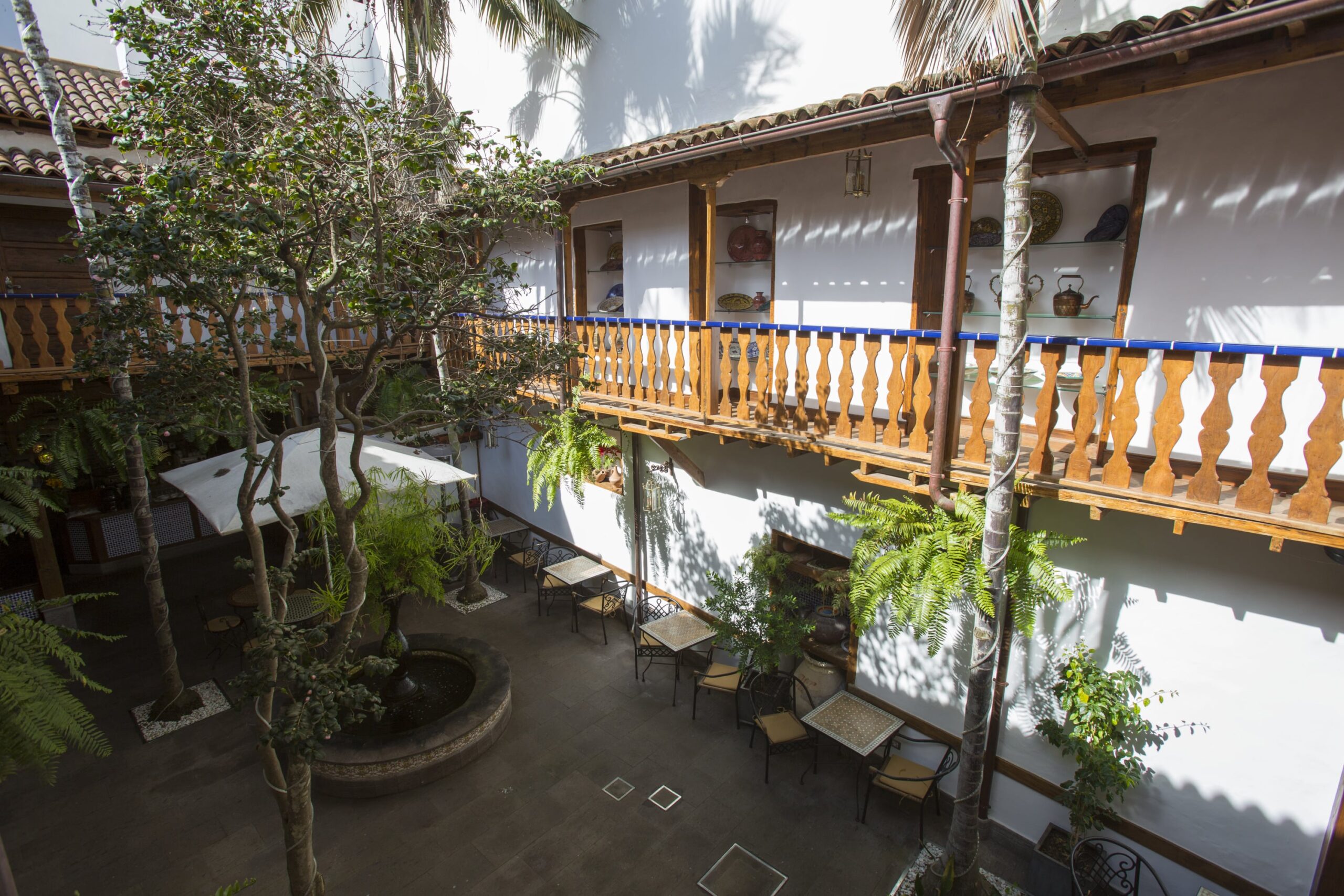
    San Agustin Gran Canaria

    San Agustín is perfect if you want quiet surroundings but still be close to the main centres. It has a peaceful promenade, small dark-sand beaches and a relaxing vibe, making it ideal for couples and older visitors. You can walk to Playa del Inglés if you wish, but San Agustín itself remains calm and uncrowded.

    Patalavaca

    Patalavaca is a small coastal area near Arguineguín. It has a calm beach, relaxed cafés and a mild climate all year. The area is compact, which keeps noise levels low. This is one of the most peaceful places in the sunny south-west, perfect for slow holidays and long seaside walks.

    Arguineguín


    A charming fishing village with a very local feeling. Arguineguín is still tourist-friendly but not a mass-tourism hub. Expect quiet evenings, good seafood restaurants and a simple, authentic atmosphere. The beaches are smaller, but the overall environment is perfect for a relaxing stay.

    Playa del Cura

    This small bay is surrounded by cliffs, which protects it from wind and noise. It has a slow pace, a sandy beach, supermarkets and a few restaurants — enough to be comfortable but without the crowds of Playa del Inglés or Puerto Rico. Ideal for peaceful days and early nights.

    Tauro

    Tauro is one of the quietest zones in the south of Gran Canaria. It has very few hotels, minimal nightlife and a calm environment. This area suits travellers who want total relaxation. A car is recommended, as services are limited.

    Taurito

    Taurito is a quiet resort set between cliffs, giving it a secluded atmosphere. The beach is small but scenic, and evenings here are incredibly peaceful. It’s great for couples or families who prefer a calm base with beautiful surroundings. Restaurants and shops are more limited compared to larger towns.

    Puerto de Mogán

    Puerto de Mogan - Gran Canaria.min

    Often considered the most beautiful town on the island, Puerto de Mogán is a peaceful marina village with canals, narrow streets and colourful flowers. It’s quiet, romantic and offers a slower pace than the big resorts. Perfect for couples or anyone seeking a charming and tranquil holiday setting.

    Agaete

    Pueblo de Agaete.min

    Agaete is located in the north-west of the island and feels completely different from the southern resorts. It’s tranquil, surrounded by mountains and dramatic coastlines, with a very local atmosphere. This area does not have large sandy beaches, but it’s ideal for travellers who enjoy quiet nature, walking and watching sunsets.

    Puerto de las Nieves

    The harbour part of Agaete, Puerto de las Nieves, has rock pools, calm streets and almost no mass tourism. It is perfect if you want to stay in a peaceful seaside village with Canarian charm, good fish restaurants and a slow rhythm.

    Tejeda and Rural Villages (for pure silence)

    If quiet means true tranquillity, then villages like Tejeda, Moya, Firgas and Artenara are unbeatable. These mountain areas offer silence, views and nature — but no beaches. Perfect for hiking holidays or digital detox breaks.

    Comparison Table of Quiet Resorts in Gran Canaria

    ResortAtmosphereBeach QualityBest ForDownsidesDistance from Airport
    San AgustínQuiet but centralSmall dark-sandCouples, older visitorsNot very exciting≈ 20–25 min
    PatalavacaVery peacefulGood small beachRelaxed holidaysLimited nightlife≈ 35–40 min
    ArguineguínLocal, calmSmall beachesFood lovers, couplesNot very touristy≈ 30–35 min
    Playa del CuraQuiet & shelteredSmall sandy beachRelaxationFew services≈ 45 min
    TauroExtremely quietArtificial/rockyPrivacy seekersCar recommended≈ 40–45 min
    TauritoSecluded, calmSmall bayCouplesLimited dining≈ 50 min
    Puerto de MogánRomantic, relaxingGood sandy beachCouples, familiesHigher prices≈ 55 min
    AgaeteVery peacefulRock poolsNature loversNo sandy beach≈ 45–50 min
    Puerto de las NievesAuthentic & calmRocky coastCultural travellersFewer hotels≈ 50 min

    Final Tips Before Choosing

    • South-west = best weather + best quiet resorts
    • North-west = most peaceful but rocky beaches
    • Hilly resorts can require many stairs
    • Some beaches are small — check before booking
    • If you need absolute quiet: Tauro, Taurito, Agaete
    • If you want quiet + beauty: Puerto de Mogán
    • If you want quiet + proximity to nightlife: San Agustín

    Disclaimer: Always verify hotel location, as some properties advertised under a resort name may be far from the beach or placed in hilltop areas. Quietness varies by season.

  • Quiet Holiday Resorts in Fuerteventura – Where to Stay for a Peaceful Break

    Quiet Holiday Resorts in Fuerteventura – Where to Stay for a Peaceful Break

    Fuerteventura is famous for its endless sandy beaches, dunes and windsurfing spots – but it also hides some wonderfully quiet resorts for travellers who want rest more than nightlife. In this guide we focus on relaxed coastal bases rather than big, noisy party towns, so you can choose the right area for a calm holiday, as a couple, family or solo traveller.

    Below you will find a comparison table and detailed descriptions of the quietest holiday resorts in Fuerteventura, including Costa Calma, El Cotillo, Esquinzo & Butihondo, Las Playitas and a few rural options for total silence.

    Overview: the Quietest Resorts in Fuerteventura

    Before we look at each place in detail, here is a quick comparison of the main quiet resorts and villages you might consider for your holiday:

    Resort / AreaType of placeAtmosphere & nightlifeBeach & sea conditionsBest forApprox. drive from airport*
    Costa CalmaPurpose-built beach resortCalm, low-key bars, early nightsLong sandy beach, usually sheltered, great for swimmingCouples, families, windsurfers~1 hour
    El CotilloFormer fishing villageVery quiet, a few chilled restaurants and cafésShallow lagoons with clear water to the north; surf beach to the south (stronger waves)Couples, independent travellers, relaxed families~45–50 minutes
    Esquinzo & ButihondoSmall cluster of beach hotelsHotel-based entertainment, little outside nightlifeWide sandy beach, open Atlantic, often waves and windAll-inclusive relax, couples, beach-lovers~1 hour 10 minutes
    Las PlayitasSports resort & villageQuiet evenings, sporty daytime atmosphereCurved bay with dark sand; usually safe but sometimes wavesActive holidays, sports groups, couples~40–45 minutes
    Rural north (Villaverde & surroundings)Scattered rural housesAlmost total silence, no real nightlifeNo direct beach; need a car for El Cotillo or CorralejoNature lovers, digital detox, long-stay winter escapes~30–40 minutes

    *Times are approximate and depend on traffic and exact hotel location.

    What Makes a Resort “Quiet” on Fuerteventura?

    Compared with some other Canary Islands, Fuerteventura is already quite laid-back. Even its livelier towns feel relaxed outside the peak season. For this article we consider a resort “quiet” when it ticks most of these boxes:
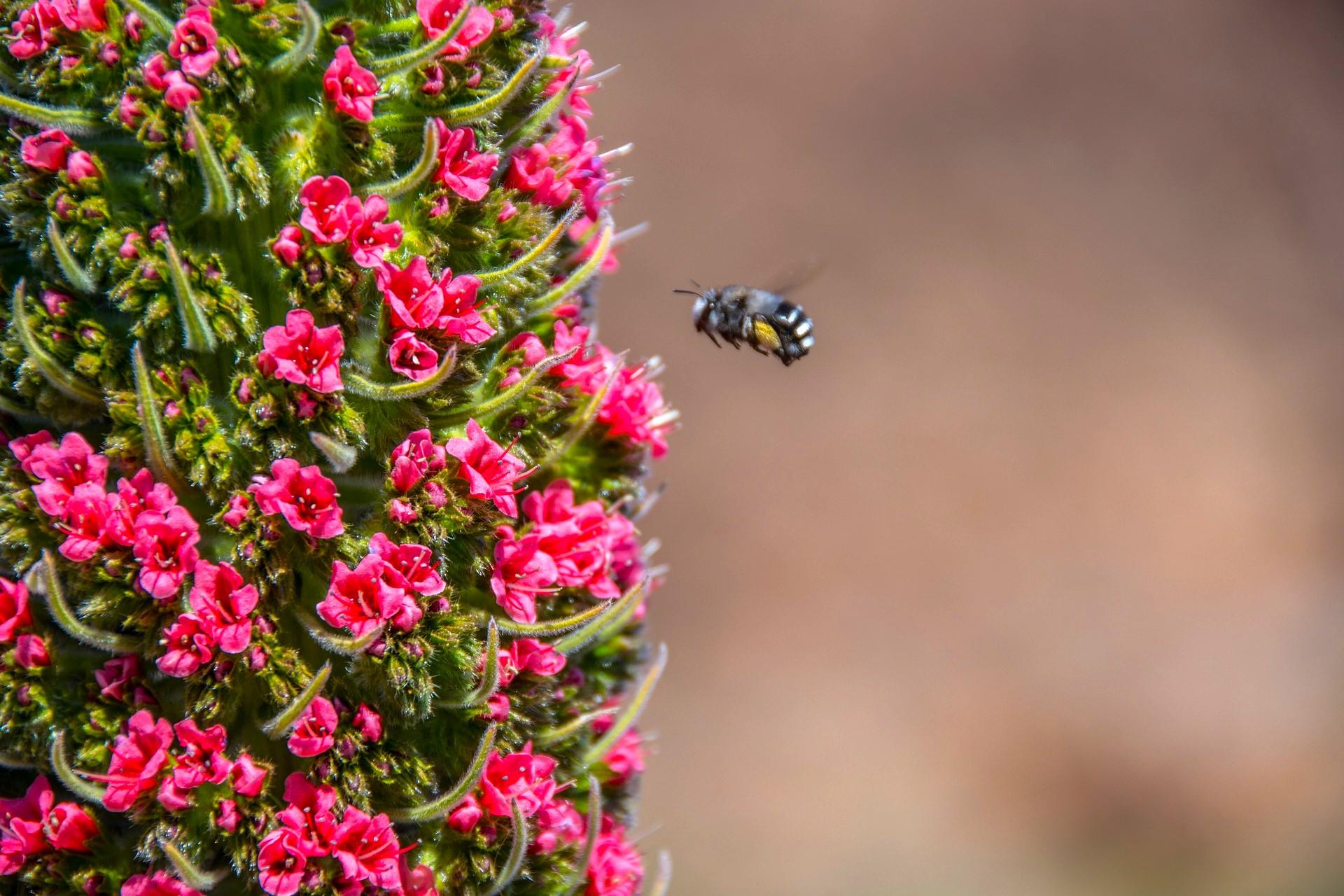
    • Limited nightlife – a few bars and restaurants, but no long strip of nightclubs or loud music until late.
    • Compact size – small town or village, easy to get around on foot without constant traffic.
    • Beach first, bars second – people come mainly for the sea, nature and sunshine.
    • Family or couple oriented – hotels and apartments designed for relaxation rather than partying.
    • Easy access to quiet corners – coastal walks, natural viewpoints or empty stretches of sand nearby.

    With that in mind, let’s look at the best quiet resorts and areas one by one.

    Costa Calma – Long Beaches and a Relaxed Atmosphere

    Fuertevenura Beach Costa Calma.min

    Costa Calma (literally “calm coast”) is one of the most popular choices for a quiet holiday in Fuerteventura. It sits at the beginning of the Jandía peninsula and was purpose-built as a beach resort. Despite this, it has kept a relaxed, residential feel and is generally quieter than Corralejo or Morro Jable.

    • Beach & swimming: a long, gently curving sandy beach with typically calm waters, especially compared with the more exposed west coast. It’s ideal for swimming, sunbathing and long walks at low tide.
    • Atmosphere: evenings are peaceful. You will find some bars and restaurants, but nightlife is modest and tends to end early. Many visitors are couples and families who go to bed after dinner to enjoy the morning sun.
    • Activities: Costa Calma is close to the famous Sotavento beach, host of international windsurfing and kitesurfing events, so the area is perfect if you enjoy watching or practising water sports.
    • Who it suits: travellers who want a classic beach holiday without the party scene – especially couples and families with children who appreciate calm seas and an easy layout.

    If you are looking for the quietest part of Fuerteventura with a proper resort infrastructure, Costa Calma is usually at the top of the list.

    El Cotillo – Lagoon Beaches and a Village Feel

    El Cotillo - Fuerteventura Beach (2)

    On the north-west coast, El Cotillo is a former fishing village that has grown into a charming, low-rise holiday base. It is much smaller than Corralejo and has a very local, easy-going atmosphere.

    • Beaches: to the north of the village you will find a chain of protected lagoons with white sand and turquoise water, ideal for swimming and snorkelling on calm days. South of the town the main beach is popular with surfers and can have strong waves and currents, so it is better for experienced swimmers.
    • Atmosphere: El Cotillo is one of the quietest coastal villages on the island. You’ll find a handful of restaurants, beach bars and cafés, but no clubbing strip or late-night noise. After sunset, the village calms down quickly.
    • Accommodation: mostly small apartment complexes, holiday rentals and a few boutique-style hotels. There are no giant all-inclusive resorts here, which helps to maintain the peaceful vibe.
    • Who it suits: travellers who want to feel in a village rather than a resort – couples, solo travellers and relaxed families who don’t need entertainment programmes.

    Because of the lagoons, El Cotillo can be a great choice with children who enjoy paddling and snorkelling in shallow water, as long as you choose the sheltered side and always check conditions.

    Esquinzo & Butihondo – Quiet Beaches on the Jandía Peninsula

    Butihondo Beach - Fuerteventura (2)

    Between Costa Calma and Morro Jable, the coast is dotted with smaller hotel zones. Esquinzo and Butihondo are two of the best options if you want a quiet all-inclusive style holiday with very little going on outside the hotels.

    • Beach: both Esquinzo and Playa de Butihondo share a wide, golden-sand beach with beautiful views along the Jandía coastline. The sea here is the open Atlantic, so expect more waves and wind than in a sheltered bay.
    • Atmosphere: away from the main road there is not much more than hotels, a few shops and occasional bars. Most guests stay within their hotel complex, enjoying pools, buffets and sun loungers.
    • Noise level: entertainment is mainly inside the hotels, so you can choose a property with more animation or a quieter adults-focused atmosphere depending on your preferences.
    • Who it suits: couples or families who want to switch off completely, walk straight down to a natural beach and are happy with hotel facilities instead of a busy town centre.

    These areas are a good compromise if you like the long sandy beaches of the south but prefer a calmer setting than central Morro Jable.

    Las Playitas – Sporty but Peaceful

    Las Playitas is a small bay on the east coast of Fuerteventura that combines a traditional village with a modern sports resort. It is an excellent option if you want peace and quiet, but not boredom.

    • Setting: the bay is framed by hills, with a dark-sand beach and a promenade that links the old village with the newer hotel area.
    • Atmosphere: during the day, the focus is on training and outdoor activities – swimming, cycling, running, golf and more. In the evening, things are calm: people relax over dinner, and by night the area is usually very quiet.
    • Facilities: within the resort you can find multiple pools, sports courts and a good choice of activities, while the village side offers a few bars and small restaurants with sea views.
    • Who it suits: couples, solo travellers or groups who want a healthy holiday, maybe combining beach time with sports, but still appreciate sleeping in a silent environment.

    If you prefer an apartment over a big resort, there are also smaller accommodations in and around the village itself.

    Rural North (Villaverde & Surroundings) – Total Quiet with a Car

    If your priority is silence and open landscapes, it can be a good idea to stay a little inland. Around villages such as Villaverde in the north of Fuerteventura you will find scattered rural houses and small guesthouses surrounded by volcanic hills.

    • Setting: low-rise houses, farms and lava fields rather than beaches and promenades. At night the sky is dark and starry, and the only noise is the wind.
    • Facilities: you usually need a hire car. Restaurants and supermarkets are in nearby villages or coastal towns; there is no resort infrastructure on your doorstep.
    • Beach access: the coast is still close by – you can drive to El Cotillo or Corralejo for a swim and come “home” to a very quiet base.
    • Who it suits: travellers planning a longer stay, remote work or winter escape, and couples who love countryside walks more than beach bars.

    Rural accommodation is less standardised than big hotels, so always check reviews, heating / air-conditioning and road access before booking.

    Quiet vs. Lively: How Do Fuerteventura’s Main Resorts Compare?

    playa de puerto naos la palma canarias (3)-min

    Even if you are mainly interested in quiet resorts, it helps to understand how they compare to the island’s livelier towns in case someone in your group wants a bit more action.

    • Corralejo – the most complete resort with many bars, shops and excursions. Busy and lively, but you can still find quieter corners.
    • Morro Jable / Jandía Playa – long beach plus shops and restaurants, more relaxed than Corralejo but still with plenty going on.
    • Caleta de Fuste – centrally located with a family-focused beach and a fair amount of nightlife. Quieter than Corralejo, but busier than Costa Calma or El Cotillo.

    If you want to be firmly on the quiet side, Costa Calma, El Cotillo, Esquinzo/Butihondo, Las Playitas and rural villages are usually better choices. If you want a compromise – some nightlife without going crazy – Caleta de Fuste can work as a middle ground.

    Tips for a Peaceful Holiday in Fuerteventura

    • Check your hotel’s immediate surroundings – even in a quiet resort, a room next to a bar terrace or evening show area will be noisier than a garden or side-street location.
    • Look at room type and orientation – higher floors and sea-view rooms often get less traffic noise than ground-floor units near reception or car parks.
    • Consider seasonality – Christmas, New Year, Easter and August are naturally busier. For maximum peace, consider late autumn, winter (outside holidays) or early spring.
    • Mind the wind and waves – Fuerteventura is windy, and some beaches have strong currents. Always respect flags and local advice, especially on the west coast and open Atlantic stretches.
    • Rent a car if you like exploring – even from a quiet base you can reach dunes, viewpoints and other villages in under an hour, then return to your calm resort in the evening.

    Conclusion – Choosing Your Quiet Corner of Fuerteventura

    Fuerteventura is not only for surfers and party-goers. Whether you dream of walking barefoot along an empty beach in Costa Calma, sipping a drink in El Cotillo while the sun sets over the lagoons, or spending a week in total silence in a rural house, the island offers plenty of quiet places to stay.

    Start by deciding which style suits you best – classic beach resort, fishing village, sports hotel or rural retreat – and then use this guide to choose the area that matches your idea of a peaceful holiday. Once that is clear, picking the right hotel or apartment becomes much easier, and you can focus on what really matters: relaxing, swimming and enjoying the Fuerteventura sun in your own quiet corner of the island.

  • Quiet Holiday Resorts in Lanzarote

    Quiet Holiday Resorts in Lanzarote

    Disclaimer: The information in this article is based on general local knowledge and personal observations. Conditions in each area may vary throughout the year. Always follow local safety signs, respect nature, and ask your accommodation for updated advice.

    Are you planning a holiday in Lanzarote and looking for a peaceful atmosphere away from crowds and nightlife?
    Although the island is famous for its main tourist hubs like Puerto del Carmen or Costa Teguise, Lanzarote also offers many quiet resorts, small coastal villages, and serene inland towns where you can rest, disconnect and enjoy calm volcanic landscapes.

    Below you will find some of the quietest places in Lanzarote. These areas are ideal for couples, families, digital nomads, or anyone who wants a relaxing break without the noise of busy nightlife zones.
    Like in our Tenerife guide, we focus on simple descriptions and the real atmosphere of each place.

    Playa Blanca (Quiet Zones: Faro & Las Coloradas)

    Lanzarote | Puerto deportivo Playa Blanca.min


    Playa Blanca is one of the most popular places in the south of Lanzarote, but it also has some of the quietest zones on the island.
    If you stay away from the central promenade, especially in the areas of Faro Pechiguera and Las Coloradas, you will enjoy calm streets, long walks along the coast and beautiful sunsets over Fuerteventura.

    These residential districts offer a relaxed, low-noise environment while still being close enough to shops, cafés and the famous Papagayo area. It is a great choice for travellers who want tranquility but appreciate having services within reach.

    Playa Honda

    Playa Honda is not a typical resort — it is a local, peaceful residential town located between Arrecife and Puerto del Carmen.
    Its long promenade along the sea is one of the calmest on the island, perfect for walking or cycling next to gentle waves.
    The beach is wide, relaxed, and rarely crowded even in high season.

    The town has small cafés, bakeries and restaurants visited mainly by residents, creating an authentic and quiet atmosphere.
    It’s an ideal choice for travellers who prefer a local environment over large tourist zones.

    Punta Mujeres

    Lanzarote Beach Playa Mujeres.min

    Punta Mujeres is one of the quietest coastal villages in Lanzarote.
    It is well known for its natural volcanic rock pools that fill during high tide, creating a perfect place to cool down in a calm environment.
    There is no large beach, no nightlife, and no big hotels — only white houses, ocean views and peaceful streets.

    The area is perfect for travellers who love authentic Canarian fishing villages and want to stay far away from busy promenades.
    Nearby you can visit Jameos del Agua and Cueva de los Verdes, two of the island’s most iconic volcanic attractions.

    Arrieta

    Arrieta Lanzarote

    Arrieta is a charming seaside village in the north of Lanzarote.
    Its small sandy beach, local restaurants and laid-back rhythm make it an excellent choice for a relaxing holiday.
    Weekdays are especially quiet, and even weekends maintain a friendly, local atmosphere.

    The northern side of Lanzarote is generally calmer and windier, so it attracts travellers who seek authenticity rather than nightlife or shopping areas.

    Órzola

    playa de las cucharas Costa Teguise -Lanzarote

    Órzola is the northernmost village on the island and one of the most peaceful places to stay.
    It is a fishing town surrounded by volcanic cliffs and natural beaches with white sand and turquoise water.

    From here you can also take the ferry to La Graciosa, one of the quietest and most untouched islands in the Canary archipelago.

    Caleta de Famara (Village)

    playa de famara lanzarote

    The village of Famara is very calm and relaxed, with sandy streets and simple cafés.
    It has a bohemian atmosphere loved by people who enjoy nature, photography and sunsets.
    The huge beach next to the village is stunning, although it is not ideal for swimming due to currents.

    If you want peace, views of cliffs and dramatic landscapes, Famara is one of the best options in Lanzarote.

    Haría

    Haría sits in the “Valley of a Thousand Palms,” one of the greenest and most peaceful parts of the island.
    It is surrounded by hills, palm trees and small white houses, offering a countryside atmosphere far from tourist resorts.

    The village is known for its Saturday craft market, but on weekdays it is extremely quiet.
    Ideal for slow holidays, hiking or exploring César Manrique’s former home.

    Yaiza

    Yaiza is a small, elegant village in southern Lanzarote.
    It is well-kept, beautifully maintained and surrounded by volcanic scenery.
    This is a perfect base for travellers who want total peace while being close to some of the island’s main attractions such as Timanfaya National Park, Los Hervideros and Papagayo.

    The village has a very quiet rhythm all year round, making it ideal for a slow and comfortable holiday.

    El Golfo

    El Golfo is a tiny oceanfront village famous for the Green Lagoon and its dramatic coastline.
    After sunset it becomes especially calm, offering a peaceful atmosphere next to the sound of the Atlantic waves.

    It has a few small restaurants, beautiful volcanic landscapes and no nightlife at all — perfect for a quiet, scenic stay.

    Guatiza & Charco del Palo

    Guatiza is known for its cactus gardens and peaceful local life. The surrounding areas are rural, calm and perfect for travellers who want to be near nature.

    Nearby Charco del Palo is a well-known naturist zone. It is extremely quiet, with natural pools, rocky coastline and almost no traffic.
    It offers serenity, open views and a slow rhythm, ideal for guests looking for total disconnection.

    Teguise Old Town

    Teguise, the former capital of the island, is one of the best places in Lanzarote for travelers who enjoy culture and quiet villages.
    Its cobbled streets, historic houses and central square maintain a relaxed atmosphere every day except Sunday, when the large market takes place.

    On all other days, Teguise is calm, traditional and full of local charm.

    Final Thoughts

    Lanzarote offers a great variety of peaceful resorts and quiet villages, both by the sea and inland.
    Whether you prefer volcanic coastlines, green valleys or small fishing towns, the island has many options beyond the main tourist centers.

    Note: Natural conditions, wind levels and local activity can vary throughout the year. Always check local recommendations, especially when visiting beaches, natural pools or hiking areas.

  • Police in Fuerteventura – Tourist Safety, Emergencies & Reporting Guide

    Police in Fuerteventura – Tourist Safety, Emergencies & Reporting Guide

    Fuerteventura is one of the safest destinations in Europe, attracting millions of visitors every year thanks to its beaches, tranquil atmosphere and relaxed lifestyle. Even so, it’s important for travellers to understand how policing works on the island, what to do in an emergency, and how to get assistance if something goes wrong during their stay.

    This guide explains how the police operate in Fuerteventura, how to report a crime, what documentation you must carry, and useful safety tips to ensure a smooth and stress-free holiday.

    Police Forces Operating in Fuerteventura

    As part of Spain, Fuerteventura hosts three main law-enforcement bodies. Each has different responsibilities, and tourists may interact with more than one depending on the situation.

    Policía Local (Local Police)

    The Policía Local works for each municipality. Their duties include:

    • traffic control and road safety within towns
    • local ordinance enforcement
    • minor disturbances and nightlife control
    • assisting tourists with basic issues

    You will see them regularly in tourist areas such as Corralejo, Caleta de Fuste and Morro Jable.

    Policía Nacional (National Police)

    The Policía Nacional handles more serious matters, including:

    • identity verification and passport issues
    • reports for theft, robbery or serious crime
    • investigations and criminal records checks
    • immigration and documentation

    Tourists typically visit a Policía Nacional station to file a denuncia (official crime report) for insurance or embassy purposes.

    Guardia Civil

    The Guardia Civil is responsible for:

    • road safety and highway patrol
    • rural areas, natural parks and remote beaches
    • ports and coastal zones
    • major incidents, search-and-rescue, and environmental protection

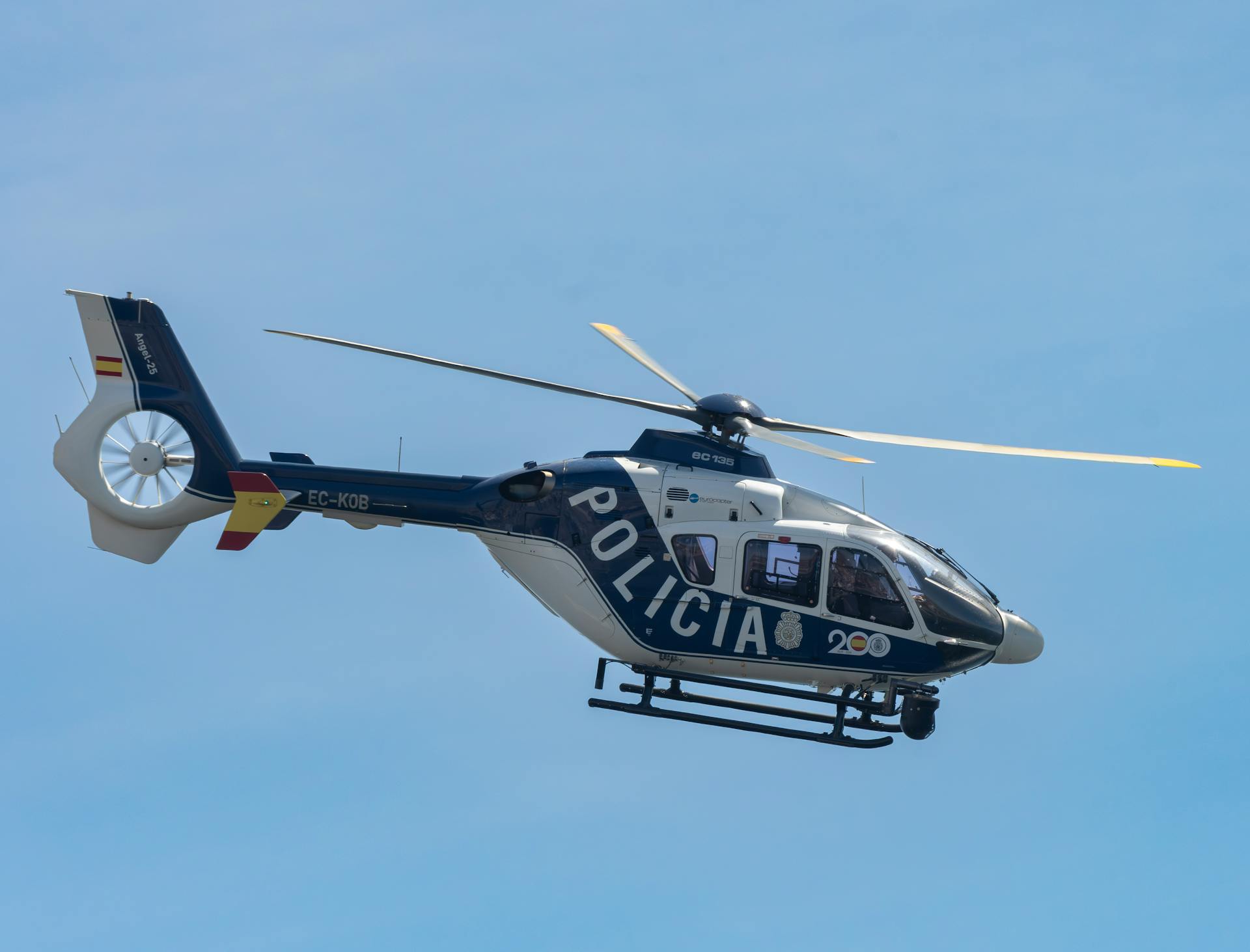
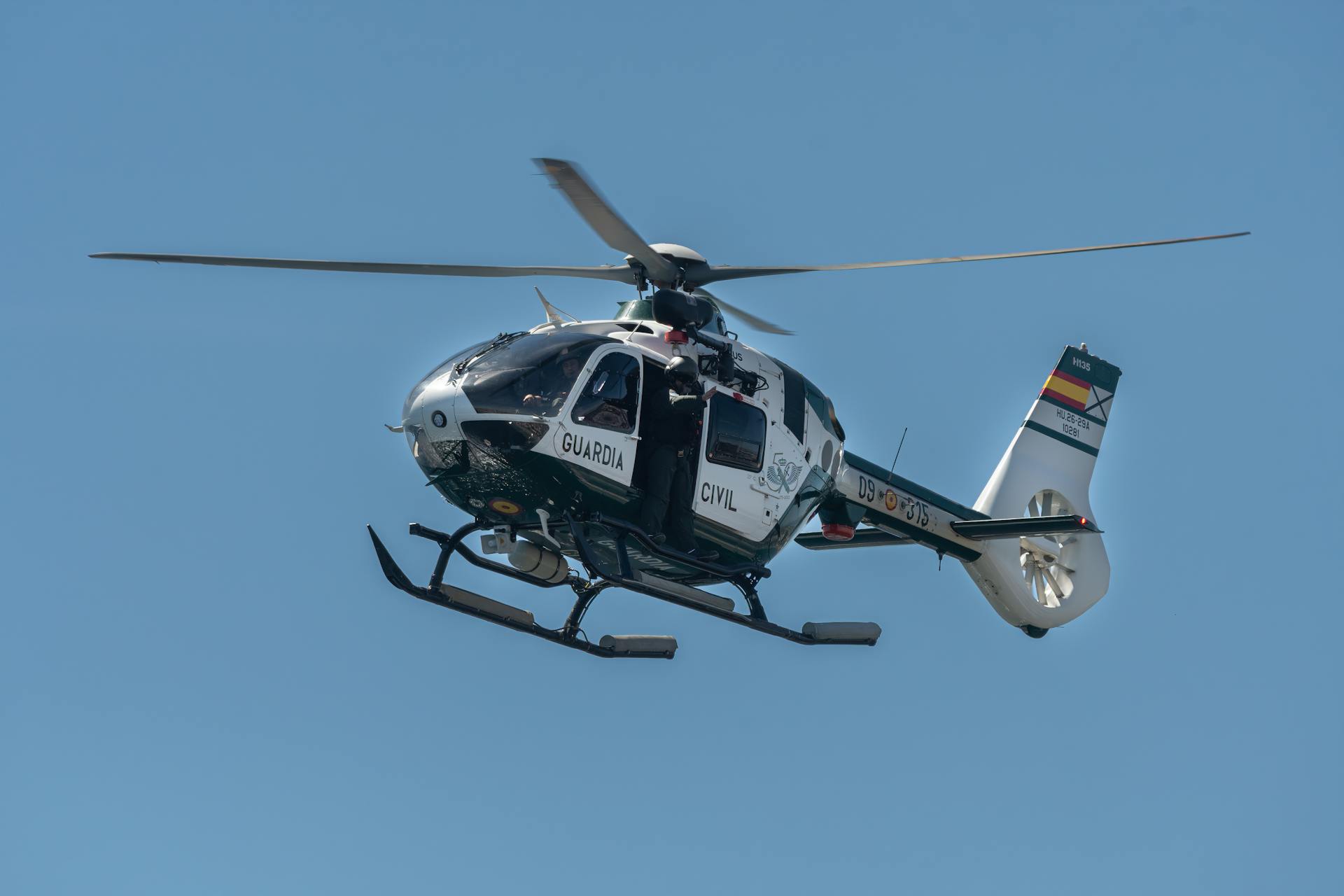
    They are easily recognised by their green uniforms and vehicles.

    Emergency Numbers in Fuerteventura

    • 112 — General emergency number (police, ambulance, fire)
    • 091 — Policía Nacional (urban emergencies)
    • 062 — Guardia Civil
    • 092 — Policía Local (in some municipalities)

    The 112 service is multilingual and usually the best option for tourists.

    How Safe Is Fuerteventura?

    Fuerteventura is considered a very safe island with a low rate of serious crime. Violent crime is extremely rare. The majority of cases reported by travellers involve:

    • pickpocketing in busy areas
    • theft from rental cars
    • lost belongings
    • disturbances related to nightlife

    Police patrol the main tourist areas day and night. Most visitors have no issues at all when using normal precautions.

    How to Report a Crime (Denuncia)

    If you become a victim of theft or need official documentation for travel insurance, you must file a denuncia. This can be done at a Policía Nacional station or at a Guardia Civil post depending on the area.

    To file a report, bring:

    • your passport or ID
    • details of the incident
    • list of stolen items
    • any evidence (photos, serial numbers, receipts)

    Language note: officers may not always speak English fluently. Hotels, resorts or tourist offices can often help with translation. Some travellers choose to bring a bilingual friend, staff member or interpreter.

    It is important to understand that while the police always take reports seriously, recovery of stolen items is common — as in most tourist destinations. The report is primarily for insurance and legal documentation.

    When You Should Call the Police

    Call immediately if:

    • a crime is happening right now
    • you feel unsafe or threatened
    • a disturbance involves violence or intoxication
    • you witness dangerous behaviour
    • someone needs urgent medical attention

    Go to the station in person if:

    • you discover your belongings missing later
    • you need a report for insurance
    • you lost important documents (passport, ID)
    • you were scammed and need documentation

    Multilingual Reporting

    Spain offers multilingual phone-based crime reporting services. Tourist offices and hotels can provide updated contact details. This service allows you to make a report with an English-speaking operator and later visit the local station to sign it.

    This avoids translation costs and makes the process easier for non-Spanish speakers.

    Important Behaviour Tips When Dealing With Police

    Spanish police are generally helpful and professional, but they have strict expectations regarding public behaviour. To avoid problems:

    • Stay calm and respectful.
    • Do not raise your voice. Shouting or getting aggressive will escalate the situation quickly.
    • Do not argue or refuse instructions.
    • Always show documents when asked. Ignoring police requests is considered a serious offence.
    • Cooperate fully — resisting or insulting a police officer is a criminal offence in Spain.

    Following these guidelines ensures a smooth and problem-free interaction.

    ID and Documents You Must Carry in Fuerteventura

    Spain requires visitors to carry identification. When driving or renting a vehicle, you must always have:

    • passport or national ID
    • driving licence
    • rental agreement and insurance papers

    If police stop you and you cannot provide these documents, you may face an on-the-spot fine.

    Scams and Common Tourist Issues

    While Fuerteventura is safer than many European destinations, some minor issues occur:

    • Pickpockets in crowds, beaches and bus stations
    • Theft from rental cars when valuables are left visible
    • Bag snatching from restaurant terraces
    • Overly persistent street sellers

    These incidents are opportunistic rather than dangerous. Basic awareness significantly reduces the risk.

    Preventing Theft in Fuerteventura

    At your accommodation

    • Use hotel safes for passports, money, phones and jewellery.
    • Do not leave valuables visible through windows.
    • Lock doors and windows when leaving.

    At the beach

    • Do not leave bags unattended.
    • Use waterproof pouches if swimming alone.

    In rental cars

    • Never leave valuables inside the vehicle.
    • Avoid storing anything in the boot in tourist car parks.
    • Always lock the car and keep documents with you.

    In busy areas

    • Keep bags zipped and in front of you.
    • Be cautious around crowds, markets and stations.
    • Double-check your belongings when exiting taxis or buses.

    Driving Controls and Road Safety

    The Guardia Civil frequently conducts roadside checks across the island. Regulations include:

    • zero tolerance for drunk driving
    • seatbelts required for all passengers
    • children must use approved child seats
    • mobile phone use is prohibited while driving

    Fines can be applied on the spot and discounts are available for quick payment.

    Nightlife, Disturbances and Public Behaviour

    Fuerteventura’s nightlife is calmer than other Canary Islands, but the police still monitor areas such as Corralejo and Caleta de Fuste. They respond quickly to:

    • drunken or aggressive behaviour
    • fights or disturbances
    • public disorder late at night
    • illegal street drinking where prohibited

    If you need help due to a disturbance near your accommodation, the police will assist and restore order.

    Language Barriers and Getting Help

    Not all officers speak English fluently. If you need support:

    • ask your hotel reception for assistance
    • request a translator (sometimes a fee applies)
    • use multilingual reporting services
    • contact your tour operator or travel rep

    This is normal across all Spanish islands and not specific to Fuerteventura.

    Final Safety Notes for Tourists

    Fuerteventura remains one of the most peaceful holiday destinations in Europe. Police presence is strong, and incidents involving tourists are usually minor. By staying aware, respecting local rules and using common sense, your holiday will be safe and enjoyable.

    Disclaimer: This guide is for general information only. Always follow instructions from local authorities. We take no responsibility for situations arising from police interactions, legal matters or personal behaviour.

  • Police in Gran Canaria: Tourist Safety, Emergency Help and How to Make a Report

    Police in Gran Canaria: Tourist Safety, Emergency Help and How to Make a Report

    Gran Canaria is considered one of the safest destinations in Spain, with low violent crime, a strong police presence and well-organised emergency services. Most visitors never experience any problems beyond occasional petty theft. Understanding how the police work on the island, how to get help, and how to make a report can make your stay easier if you ever need assistance.

    Police Forces Operating in Gran Canaria

    As part of Spain, Gran Canaria is served by several police forces, each with specific roles. Tourists may encounter one or more depending on the situation.

    Policía Local

    The municipal police force active in each town and city. They handle:

    • Traffic control and road safety inside urban areas
    • Local regulations and public order
    • Assistance in tourist zones and beaches
    • Minor complaints and neighbourhood issues

    Policía Nacional

    Present in major urban areas and responsible for more serious matters, including:

    • Theft reports and official documentation
    • Lost or stolen passports
    • Serious crime and investigations
    • Foreigners’ documentation

    Many visitors go to Policía Nacional to file reports (“denuncias”) required for insurance or embassy paperwork.

    Guardia Civil

    A nationwide police force often seen in rural, coastal and high-traffic zones. They cover:

    • Main roads and driving controls
    • Coastal patrols and beach safety enforcement
    • Airport and port security areas
    • Public safety in villages and natural parks

    Emergency Numbers in Gran Canaria

    • 112 – All emergencies (police, fire, ambulance). Multilingual operators available.
    • 091 – Policía Nacional
    • 092 – Policía Local
    • 062 – Guardia Civil

    For any urgent situation, calling 112 is recommended, as the operator will direct the correct service to you, including English-speaking support when available.

    Where Tourists Commonly Encounter Police

    Police patrol the main tourist zones daily and nightly. You will frequently see officers in:

    • Playa del Inglés – especially around nightlife streets
    • Maspalomas – near beaches, shopping areas and hotels
    • Puerto Rico – along promenades and busy resort streets
    • Las Palmas – urban areas, beaches and transport hubs
    • Arguineguín and Mogán coast – popular accommodation zones
    • GC-1 motorway – regular road checks by Guardia Civil

    Gran Canaria’s police presence is visible, friendly and focused on maintaining a safe holiday environment.

    What to Do in Case of Theft

    Petty theft is the most common tourist issue, especially in crowded areas, beaches or nightlife streets. If something has been stolen, you may need an official report for insurance or for the replacement of a passport.

    Steps to follow:

    1. Contact your hotel reception or tour operator. They often help with basic translation and guidance.
    2. Go to a police station in person. Typically this will be Policía Nacional or Guardia Civil, depending on the area.
    3. Bring identification. Passport copy or national ID card is useful.
    4. Explain the situation clearly. Simple Spanish or assistance from staff is usually needed.

    Police reports are essential for:

    • Travel insurance claims
    • Obtaining a temporary passport or replacement
    • Reporting lost high-value items

    It is important to understand that recovering stolen items is uncommon. Prevention is the best protection.

    How to File a Police Report (“Denuncia”)

    You can file a report for theft, loss, damage, or any incident that requires documentation. Important notes for visitors:

    • Reports normally require basic Spanish. Officers may speak limited English.
    • Hotels can arrange help or provide a translator, sometimes with a fee.
    • Tour operators often accompany guests when required.
    • The report must be signed in person at a police station.

    Spain also offers a multilingual telephone service for reporting non-urgent crimes, where an operator fills out the report and sends it to the nearest station for signature. Information on using this service is available from official police websites, tourist offices or hotel reception.

    When to Call the Police

    Call immediately (112) if:

    • A crime is happening right now
    • There is violence or threats
    • Someone is disturbing the peace late at night
    • You witness drunk or aggressive behaviour that feels unsafe

    Go to the station later if:

    • You notice theft after returning to your hotel
    • You lost something valuable
    • You need a report for insurance
    • Your passport is missing

    Driving and Police Checks in Gran Canaria

    Driving rules in Spain apply fully on the island. Tourists must carry:

    • Driver’s licence
    • Passport or national ID
    • Rental car agreement and vehicle documents

    If you are stopped and cannot provide all of these, fines may apply. Guardia Civil conducts routine roadside checks, especially on main roads and near tourist areas.

    Safety Tips for Avoiding Problems

    • Use hotel safe boxes for valuables.
    • Do not leave belongings visible in apartments or cars.
    • Avoid taking valuables to the beach if they will be left unattended.
    • Keep bags secured on buses, in taxis and on promenades.
    • Double-check phones, wallets and bags when leaving public transport.
    • Be cautious in crowded areas and busy nightlife zones.

    Most thefts occur when items are left unattended or visible. Basic precautions greatly reduce risks.

    Nightlife, Alcohol and Police Behaviour

    Gran Canaria has a lively nightlife, especially in Playa del Inglés and Puerto Rico. Police understand holidaymakers want to have fun, but they strictly enforce public order.

    Important reminders:

    • Disturbances after midnight may result in warnings or removal from the area.
    • Aggressive behaviour, fights or drunken incidents can lead to fines.
    • Police have zero tolerance for violence or disorderly conduct.
    • Never shout, argue or lose your temper with police. It may quickly escalate the situation.

    Remaining calm, respectful and cooperative is the best approach in any interaction.

    ID Rules for Visitors

    Spanish law requires that you must be able to identify yourself to police if asked. Tourists do not need to carry passports everywhere, but a copy is strongly recommended, with the original stored safely in the hotel.

    Final Advice for a Safe Stay

    Gran Canaria remains a very safe island with reliable police services and a strong commitment to visitor wellbeing. Most holidays pass without any incidents at all. By following simple precautions, knowing how the police system works and staying calm in any situation, you can enjoy the island confidently and stress-free.

    Disclaimer: The information provided in this article is for general guidance only. Procedures, locations and requirements may change. Always follow official instructions from authorities and refer to official sources for the most up-to-date information.

  • Police in Lanzarote: Tourist Safety, Emergency Contacts and How Law Enforcement Works

    Police in Lanzarote: Tourist Safety, Emergency Contacts and How Law Enforcement Works

    Lanzarote is one of the safest islands in the Canary archipelago and a popular destination for millions of visitors every year. Although the island is calm, well-organised and known for very low levels of serious crime, it is still important for tourists to understand how the police system works, who to contact in an emergency, and what to expect when interacting with law enforcement. This guide explains the different police forces operating on the island, typical situations visitors may face and practical advice to make your stay safe and stress-free.

    Police Forces Operating in Lanzarote

    Spain has several police bodies, each with clearly defined responsibilities. All of them operate in Lanzarote, but tourists will usually encounter three main forces: Policía Local, Policía Nacional and Guardia Civil. Understanding the differences between them helps visitors know where to go and who to contact depending on the situation.

    Policía Local

    The Policía Local is the municipal police present in every town and village of Lanzarote. Their responsibilities include traffic control within towns, enforcing local bylaws, responding to minor disturbances, assisting with lost property, and helping locals and tourists with day-to-day issues. You will see Policía Local officers regularly in Puerto del Carmen, Costa Teguise, Playa Blanca, Arrecife, Tías, Teguise, Yaiza, Tinajo and Haría.

    Policía Nacional

    The Policía Nacional is a national force operating mainly in cities and larger towns. In Lanzarote, their main station is located in Arrecife, the island’s capital. Tourists typically deal with the Policía Nacional for filing reports related to thefts, lost passports or serious incidents requiring official documentation. They also handle identification checks and immigration-related matters.

    Guardia Civil

    The Guardia Civil is a national gendarmerie-style force covering much of the island’s rural areas, main roads, coastal zones and smaller towns. They manage traffic enforcement outside town centres, road safety, rural security, and coastal monitoring. They are also involved in search-and-rescue operations, mountain assistance and marine safety. You may see their patrols on highways, in countryside areas such as La Geria or around coastal regions near Órzola and Playa Blanca.

    112 Emergency Coordination

    In Lanzarote, all emergency calls are handled through the European emergency number 112. Operators can communicate in multiple languages and will dispatch the appropriate service: police, ambulance or fire brigade. This is the number to call in any urgent situation requiring immediate assistance.

    Useful Emergency and Police Contact Numbers

    • 112 – Emergencies (police, ambulance, fire). Multilingual operators.
    • 091 – Policía Nacional.
    • 092 – Policía Local.
    • 062 – Guardia Civil.

    These numbers work anywhere on the island. Police presence is well distributed, especially in tourist areas.

    Common Reasons Tourists Contact Police in Lanzarote

    Lanzarote is peaceful and trouble-free for the vast majority of visitors. However, like in any major holiday destination, occasional issues can occur. Police are accustomed to helping tourists and dealing with the following situations:

    • Lost or stolen belongings.
    • Pickpocketing in crowded places such as promenades, markets or buses.
    • Damage to rental vehicles or traffic incidents.
    • Reporting accidents on the road or while hiking.
    • Suspicious behaviour or scams targeting visitors.
    • Lost property left in taxis, beaches or shops.
    • Lost passports or identification documents.

    Police in Lanzarote are experienced in assisting foreign visitors and handle these situations professionally.

    Police Presence in Popular Tourist Areas

    The island maintains a visible police presence throughout the year, with increased patrols during peak tourist seasons. The most frequently patrolled areas include:

    Puerto del Carmen

    The Avenida de las Playas promenade, beaches, nightlife zones and shopping streets have regular Policía Local and Guardia Civil patrols. Weekends and evenings may have additional monitoring due to nightlife activity.

    Costa Teguise

    Patrols are common near Playa de las Cucharas, Pueblo Marinero, the seafront and popular market areas.

    Playa Blanca

    The Marina Rubicón area, Playa Dorada, Playa Flamingo and the walkway towards Papagayo often have routine police presence, especially during busy hours.

    Arrecife

    As the island’s capital, Arrecife has stations for both Policía Nacional and Policía Local. The Charco de San Ginés, cruise ship port, bus station and main shopping areas are regularly monitored.

    The preventive police presence helps maintain Lanzarote’s reputation as a safe and comfortable destination for families, couples and solo travellers.

    How to File a Police Report in Lanzarote

    If you need to file a police report (called a “denuncia”), you can do so at a Policía Nacional station in Arrecife or at a Guardia Civil post elsewhere on the island. Filing a report is straightforward and commonly done for thefts, lost property or incidents that require documentation for insurance claims.

    To file a report:

    • Bring your passport or official identification.
    • Provide details of what happened (time, location, description).
    • Include supporting information such as photos, receipts or serial numbers if available.
    • Request a copy of the report, which is often needed for insurance or replacement documents.

    Keep in mind that a police report cannot be used as travel documentation. If your passport is lost or stolen, your embassy or consulate must issue an emergency travel document.

    ID Requirements for Tourists in Lanzarote

    Spanish law requires individuals to be able to identify themselves when requested by police. Tourists are not required to carry their physical passport at all times, but they must be able to produce identification when asked.

    Recommended:

    • Carry a photocopy of your passport or ID card.
    • Keep the original in your accommodation safe.
    • Have a digital copy stored securely on your phone.

    If identification cannot be verified, the police may accompany you to retrieve your original document.

    Road Safety and Traffic Controls

    Driving is popular in Lanzarote, and police regularly monitor road safety. The Guardia Civil is responsible for most traffic enforcement outside towns, while Policía Local manages traffic inside urban areas.

    Common checks include:

    • Alcohol and drug tests.
    • Seatbelt enforcement for all passengers.
    • Verification of driving licences and rental contracts.
    • Speed controls on main roads such as LZ-2 and LZ-3.
    • Parking regulations, especially near beaches and promenades.

    On-the-spot fines can be issued for violations. Some fines may be reduced if paid promptly.

    Hiking and Rural Safety

    Lanzarote’s volcanic landscapes attract many hikers, especially in Timanfaya surroundings, La Geria, and the northern highlands near Haría. While trails are generally safe, the Guardia Civil occasionally assists with missing hikers or minor injuries. Visitors should prepare appropriately for heat, wind and isolated terrain.

    How Police Support Tourism in Lanzarote

    Police forces on the island have extensive experience dealing with international visitors, and English is commonly understood at major stations and tourist zones. The goal of local law enforcement is to maintain a safe and pleasant environment, resolve incidents efficiently and ensure that visitors feel supported.

    Many tourists comment positively on police professionalism, clear communication, and fast response in emergencies.

    Tips for Staying Safe During Your Visit

    • Keep valuables secure in zipped bags or inside pockets.
    • Use your accommodation safe for passports and extra cash.
    • Stay alert in crowded areas such as promenades and markets.
    • Do not leave belongings unattended on beaches.
    • Follow police instructions calmly and respectfully.
    • If renting a car, avoid leaving items visible inside.
    • Call 112 immediately in any emergency.

    Disclaimer

    This article is based on accurate, publicly available information about police forces and emergency procedures in Lanzarote. Regulations may change over time. Visitors are responsible for checking the most up-to-date official information and following local laws at all times.

  • Police in Tenerife: What Tourists Should Know About Safety, Law Enforcement and Emergencies

    Police in Tenerife: What Tourists Should Know About Safety, Law Enforcement and Emergencies

    Tenerife is one of the safest and most visited islands in Europe, and part of that safety comes from an organised, well-structured police presence. Whether you are staying in Costa Adeje, Playa de las Américas, Los Cristianos, Puerto de la Cruz or Santa Cruz, it is useful to understand how the police system works, who to call in an emergency and what tourists should expect during their stay. This guide provides clear, factual, accurate information to help visitors feel informed and confident while on the island.

    Overview of Police Forces in Tenerife

    Like the rest of Spain, Tenerife has several police bodies, each responsible for different tasks. Tourists will most often see:

    Policía Local

    The municipal police within each town. They handle local regulations, traffic management inside towns, noise complaints, minor incidents and assistance with local issues.

    Policía Nacional

    A national force present in larger towns and cities. They handle issues such as serious crime investigations, identification checks, lost or stolen passports and immigration-related matters. Tourists usually deal with Policía Nacional when filing a report for theft or lost documents.

    Guardia Civil

    A national gendarmerie-style force covering highways, rural areas, mountain zones, coastal security and traffic control outside city centres. They also support mountain and coastal rescue units.

    112 Emergency Coordination

    Tenerife uses the European emergency number 112, which connects you to a multilingual operator able to dispatch police, fire or ambulance services. This is the number to call in any emergency situation.

    There is also a regional body, the Policía Canaria, but tourists encounter them less frequently.

    Emergency and Useful Contact Numbers

    • 112 – General emergencies (police, fire, ambulance). Multilingual assistance.
    • 091 – Policía Nacional.
    • 092 – Policía Local.
    • 062 – Guardia Civil.

    Emergency services in Tenerife are known for fast response times, particularly in tourist zones.

    When a Tourist Should Contact the Police

    Visitors commonly contact police for:

    • Lost or stolen belongings.
    • Pickpocketing or attempted theft.
    • Scams or suspicious approaches.
    • Traffic accidents or road incidents.
    • Damage to rental vehicles.
    • Public disturbances or aggressive behaviour.
    • Finding lost items or reporting found goods.
    • Safety concerns on mountain routes or hiking trails.

    Police may also assist if someone becomes lost, disoriented or needs help locating their accommodation.

    How to File a Police Report (“Denuncia”)

    Tourists can file a report at any Policía Nacional or Guardia Civil station. A denuncia may be needed for insurance claims, especially for theft or missing belongings. When filing a report:

    • Bring your passport or identification.
    • Provide receipts, serial numbers or photos if available.
    • Explain clearly what happened and when.
    • Ask for a copy of the report at the end.

    A police report cannot be used for travel. If your passport is lost or stolen, you must contact your embassy or consulate to issue new travel documentation.

    Police Presence in Tourist Areas

    The main resorts—Playa de las Américas, Los Cristianos and Costa Adeje—have a visible and frequent police presence. Patrols are common around busy promenades, beaches, nightlife zones and shopping areas. Their presence is preventive and aims to keep the environment safe for both locals and tourists.

    In the north, areas like Puerto de la Cruz and Santa Cruz also have regular patrols, particularly in central districts and transport hubs.

    Typical Situations Tourists Should Be Aware Of

    Tenerife is generally safe, but as in all busy tourist destinations, there are a few common scenarios where police intervention may occur.

    1. Pickpockets

    Pickpocketing occasionally happens in crowded places such as promenades, markets, buses and nightlife areas. Police usually patrol these zones regularly. Visitors are advised to keep valuables close, use zipped bags and avoid leaving items unattended on beaches or café tables.

    2. Lost Items

    Policía Local stations often handle lost property. Many lost items such as wallets, phones or ID cards are turned in by other visitors or workers and can be collected with identification.

    3. Traffic Controls

    Guardia Civil frequently performs roadside checks, focusing on driver documentation, insurance, use of seatbelts and alcohol levels. This is standard practice throughout Spain.

    4. Nightlife Incidents

    Police maintain a steady presence in nightlife areas, particularly around Playa de las Américas. Their role is preventive—most visitors never encounter issues beyond occasional drunken behaviour among tourists.

    5. Hiking and Nature Safety

    Tenerife’s mountains, especially around Teide National Park, may require assistance for lost hikers, heat exhaustion or minor accidents. Guardia Civil mountain units and emergency teams respond to these incidents.

    ID Requirements for Tourists

    Spanish law requires individuals to identify themselves if requested by police. Tourists do not need to carry their physical passport at all times, but they should be able to provide identification if asked.

    Recommended:

    • Carry a photocopy of your passport or ID card.
    • Keep the original in your accommodation safe.
    • Have digital copies stored securely on your phone.

    If the police need to confirm identity, they may accompany you to obtain the original document.

    Driving and Road Safety Enforcement

    Guardia Civil and Policía Local enforce traffic rules across the island. Tourists should be aware of:

    • Mandatory seatbelt use for all passengers.
    • Strict drink-driving laws and roadside alcohol/drug tests.
    • Speed controls on highways and rural roads.
    • Parking regulations in towns and near beaches.
    • Requirements to carry licence, insurance and rental contract while driving.

    Police may issue on-the-spot fines for certain violations. Many fines are reduced if paid within a short period.

    Police Support for Tourists

    Many police officers in tourist areas have experience dealing with international visitors and basic English knowledge. During peak seasons, additional patrols are added to ensure safety around beaches, shopping zones and nightlife districts.

    Police in Tenerife are known for professionalism, and tourists often comment that officers are approachable and helpful when assistance is needed.

    Useful Tips for Visitors

    • Keep valuables in secure, zipped bags.
    • Use hotel safes for passports and extra cash.
    • Stay aware in crowded areas.
    • Follow instructions from police promptly and respectfully.
    • If renting a car, do not leave items visible inside.
    • In an emergency, call 112 immediately.

    Disclaimer

    The information in this article is based on publicly available, factual guidelines about law enforcement and emergency services in Tenerife. Procedures and contact details may change over time. Visitors are responsible for checking the latest official advice and following all local laws and safety regulations.

  • Snorkelling in Lanzarote: Best Spots, Marine Life, Safety Tips & Complete Guide

    Snorkelling in Lanzarote: Best Spots, Marine Life, Safety Tips & Complete Guide

    Lanzarote is one of Europe’s top destinations for snorkelling—warm water, high visibility, rich marine life and a volcanic coastline filled with natural reefs. Whether you are a complete beginner or an advanced snorkeller, the island offers calm bays, dramatic lava formations, colourful fish species and quiet coves ideal for exploring. In this guide, you’ll learn where to snorkel in Lanzarote, which species you may encounter, what equipment you need, and how to stay safe while enjoying the island’s underwater world.

    Disclaimer: This article is for general guidance only. Conditions at sea can change quickly. Always follow local safety advice and use your own judgment. We do not take responsibility for decisions made based on this information.

    Why Snorkelling in Lanzarote Is Exceptional

    Lanzarote’s unique volcanic origin has created some of the most interesting underwater landscapes in the Canary Islands. The lava reefs, shallow shelves and natural rock formations create the perfect habitat for hundreds of marine species. The water temperature typically stays between 18–24°C, making snorkelling comfortable year-round. Visibility often exceeds 20 metres, especially on calm mornings.

    Another advantage is safety: Lanzarote has very few dangerous species. Angel sharks are harmless and shy, jellyfish are uncommon, and strong currents exist only in specific areas that you can easily avoid by following standard safety practices.

    Best Snorkelling Spots in Lanzarote

    The following beaches consistently rank as the top snorkelling areas on the island. Each spot offers different marine species, depth options and sea conditions, so you can match the location to your level and preferences.

    1. Playa Chica (Puerto del Carmen)

    Puerto del Carmen Becahes - Lanzarote (4)

    Often considered the best snorkelling spot in Lanzarote, Playa Chica offers calm, sheltered waters suitable for every skill level. The bay is protected from waves, making it ideal for beginners and families. Underwater, you’ll find volcanic rock formations, small caves and an impressive variety of fish.

    What you can see:

    • Parrotfish
    • Bream, zebra fish and damselfish
    • Barracuda
    • Cuttlefish and octopus
    • Starfish and arrow crabs
    • Occasional angel sharks resting on the sandy bottom

    Why it’s great: High visibility, gentle entry, and a rich marine ecosystem. It’s also frequently used by scuba divers—but remain aware of their presence and maintain distance.

    2. Puerto del Carmen (Pier & Surrounding Area)

    The coastline around Puerto del Carmen is a hotspot for snorkellers. The pier and adjacent rocky areas attract schools of fish searching for shelter and food. The underwater topography includes sloping reefs and sandy patches teeming with life.

    Highlights:

    • Excellent for underwater photography
    • Great for spotting cuttlefish, trumpetfish and sardines
    • Calm conditions on most days

    This area is ideal for snorkellers who want a larger habitat to explore while staying close to popular tourist infrastructure.

    3. Las Cucharas Beach (Costa Teguise)

    Las Cucharas in Costa Teguise is one of the easiest entry points for snorkelling on the island. Long sands, shallow shelves and good visibility make it suitable for beginners. The beach is also home to various fish species that thrive around the natural lava rocks.

    Marine life here includes:

    • Rays resting on sandy bottoms
    • Loggerhead turtles (occasional)
    • Wrasses, parrotfish and damselfish
    • Octopus hidden near rocks

    Early mornings are best, as winds can pick up by afternoon.

    4. Playa Flamingo (Playa Blanca)

    Lanzarote | Puerto deportivo Playa Blanca.min

    Playa Flamingo is a calm bay protected by breakwaters, making it ideal for families and first-time snorkellers. The water is shallow, warm and extremely clear. Schools of sardines often gather here, creating stunning underwater scenes as they move in synchronized patterns.

    Look for:

    • Sea cucumbers and small lobsters
    • Grey mullet
    • Colourful juvenile fish around the rocks

    Stay inside the bay unless you are experienced, as currents can be stronger outside the breakwaters.

    5. Playa Mujeres (Papagayo Area)

    Playas de Papagayo - Lanzarote Beach (3)


    Located within the protected area of Los Ajaches, Playa Mujeres is one of Lanzarote’s hidden gems. The water is incredibly clear, and the seabed features a mix of sand and rock. Snorkelling here feels peaceful and natural, far away from crowded tourist zones.

    Best for:

    • Snorkellers who enjoy quiet, natural beaches
    • People looking to combine snorkelling with coastal exploration
    • Calm-water days with excellent visibility

    Bring plenty of water and sun protection, as this area is natural and has limited facilities.

    6. Papagayo Beach

    Lanzarote | Playas de Papagayo.min

    Papagayo is often described as the most beautiful beach in Lanzarote. Its sheltered horseshoe-shaped bay offers clear waters and abundant marine life. The combination of shallow sandy areas and deeper rocky sections makes this a great place for snorkellers of all levels.

    What you may see:

    • Reef fish in large numbers
    • Moray eels (in deeper crevices)
    • Angel sharks on the sand
    • Seahorses around mooring ropes (rare but possible)

    The scenery above water is just as impressive—the contrast of golden sand and turquoise water is iconic.

    7. El Golfo & Surrounding Area

    El Golfo is known for its dramatic green lake and rugged coastline, but it also offers interesting snorkelling spots on calm days. The lava formations create channels, small caves and natural pools where marine species gather.

    Suitable for: Intermediate snorkellers comfortable entering from rocky shorelines and checking conditions before swimming.

    8. La Graciosa Island

    la graciosa

    La Graciosa, a quiet island north of Lanzarote, is one of the best snorkelling destinations in the entire Canary archipelago. Its beaches and coves offer calm, clear water with virtually untouched marine ecosystems.

    Expect to see:

    • Massive schools of fish
    • Rays and angel sharks
    • Dolphins offshore (surface sightings)
    • Vibrant corals and anemones

    This is the perfect location for travellers seeking pristine nature and a peaceful snorkelling escape.

    Marine Life You Can See While Snorkelling in Lanzarote

    Lanzarote’s waters host an impressive biodiversity. Many species are easy to spot, even in shallow water, making snorkelling enjoyable for visitors of all ages.

    Common fish species


    • Parrotfish
    • Damselfish
    • Zebra fish
    • Bream
    • Wrasses (including ornate wrasse)
    • Trumpetfish
    • Salema
    • Grey mullet

    Larger marine species

    Snorkeliing in Lanzaorte ,, turtle

    • Barracuda
    • Angel sharks (harmless and usually resting)
    • Rays (stingrays and butterfly rays)
    • Moray eels in rocky holes

    Invertebrates

    • Starfish
    • Sea cucumbers
    • Arrow crabs
    • Octopus
    • Cuttlefish
    • Nudibranchs (colourful sea slugs)

    The variety of species makes every snorkelling session different, even at the same beach.

    Equipment Guide: What You Need for Snorkelling in Lanzarote


    You don’t need much to snorkel, but having the right equipment will transform the experience.

    Mask

    • Choose a silicone seal (more comfortable and watertight)
    • Test fit by placing it on your face without the strap and inhaling—if it stays, it fits well
    • Avoid cheap masks, as they often fog and leak

    Snorkel

    • A longer tube helps prevent waves entering
    • Dry-top snorkels reduce water intake
    • Comfortable mouthpieces matter during longer sessions

    Fins

    • Medium to long fins provide better propulsion
    • Stiffer fins offer more speed but require more effort
    • Proper fit prevents friction and blisters

    Other useful items

    • Rash vest or wetsuit (for colder months)
    • Reef-safe sunscreen
    • Snorkelling buoy or marker if near boating areas
    • Waterproof bag for valuables

    How to avoid fogging

    The classic method still works: spit lightly into the mask, rub it over the glass, then rinse in seawater. Anti-fog sprays also work well.

    How to Snorkel: Step-by-Step for Beginners

    If you’ve never snorkelled before or need a refresher, follow these simple steps.

    1. Choose a calm entry point

    • Avoid waves and strong currents
    • Walk past the breaking waves before floating

    2. Position yourself correctly

    • Lay flat on the water, face down
    • Use your fins gently—your arms are unnecessary

    3. Stay aware of your surroundings

    • Lift your head every few minutes
    • Check your distance from shore
    • Stay clear of boats, swimmers and divers

    4. Duck diving (optional)

    This allows you to explore deeper spots:

    • Take a deep breath
    • Point your body downward
    • Kick powerfully with fins
    • Exhale upon reaching the surface to clear the snorkel

    Safety Tips for Snorkelling in Lanzarote

    Snorkelling is generally safe in Lanzarote, but you should always follow basic precautions.

    Check conditions before entering

    • Early morning is best for calm water
    • Be cautious with wind in Costa Teguise
    • Avoid areas with strong currents or red flags

    Stay within your limits

    • Do not snorkel far from shore unless experienced
    • Avoid venturing outside breakwaters in Playa Flamingo
    • Use a buoy if near boat traffic

    Environmental awareness

    • Do not touch corals or marine animals
    • Avoid stirring sand—it reduces visibility
    • Do not remove shells or rocks

    Sun protection

    • Use reef-safe sunscreen
    • Wear long-sleeve UV shirts
    • Bring water and avoid dehydration

    Respect wildlife

    • Do not chase turtles or rays
    • Observe octopus and moray eels from a safe distance
    • Avoid overcrowding any animal

    When Is the Best Time to Snorkel in Lanzarote?

    You can snorkel all year, but conditions vary:

    Best months

    • April to October: warmest water and best visibility
    • Morning hours: calmest conditions

    Colder months

    From December to March, water temperatures drop slightly, so a thin wetsuit helps.

    Final Thoughts

    Lanzarote offers some of the most enjoyable snorkelling in the Canary Islands, thanks to its warm water, excellent visibility and diverse marine life. From beginners to experienced snorkellers, there is a beach for every level—whether you prefer sheltered sandy bays or exploring volcanic reefs. With the right equipment and some basic safety awareness, you can enjoy unforgettable underwater moments and discover the island’s unique marine world.

    Snorkelling in Lanzarote is not just an activity—it’s an opportunity to connect with nature, explore volcanic landscapes from a new perspective, and enjoy one of the island’s most accessible and rewarding adventures.

  • Tenerife Safety Guide: Practical Tips for a Secure and Stress-Free Holiday

    Tenerife Safety Guide: Practical Tips for a Secure and Stress-Free Holiday

    Tenerife is one of Europe’s safest and most welcoming island destinations, known for its mild climate, vibrant coastal towns, mountain landscapes, modern infrastructure and excellent healthcare. Every year, millions of visitors enjoy completely trouble-free holidays. Even so, being prepared and informed helps ensure you make the most of your trip while avoiding the small risks that exist in any popular tourist destination. This comprehensive safety guide brings together the most important tips for crime prevention, ocean safety, health protection, driving, weather awareness and general travel common sense.

    Disclaimer: This guide is provided for general informational purposes only. While we aim to offer accurate and helpful advice, travel conditions and safety recommendations can change. We take no responsibility for actions taken based on this content. Always follow official local guidance and use your own judgment while travelling.

    Is Tenerife Safe for Tourists?

    Yes. Tenerife is widely regarded as one of the safest destinations in the Canary Islands and Spain as a whole. Violent crime is extremely rare, local authorities maintain strong public security, and tourist resorts are well-managed and well-lit. Most visitors feel safe walking during the day and even at night in the main resort areas. Families, solo travellers and older visitors consistently rate the island highly for its comfort, hospitality and security.

    The most common issues tourists encounter are minor and avoidable: pickpocketing, petty scams, beach safety mistakes, excessive sun exposure, injuries related to alcohol, and occasional misunderstandings while driving. By understanding how Tenerife works and applying a bit of caution, you can significantly reduce these risks.

    General Safety Principles

    Whether you are staying in a busy resort like Playa de las Américas or a quiet coastal village, these simple principles enhance your safety:

    • Stay aware of your surroundings in crowded areas.
    • Walk confidently and avoid dark, isolated streets at night.
    • Use accommodation safes for passports, electronics and cash.
    • Carry only what you need when going out.
    • Keep your phone charged in case you need assistance.
    • Save the emergency number 112 before you travel.

    These habits are not unique to Tenerife—they’re standard precautions for any international trip—but they help ensure a smooth holiday experience.

    Understanding Crime in Tenerife

    Tenerife’s crime profile is dominated by low-level opportunistic theft. Serious crime targeting tourists is extremely rare. Public spaces are monitored, nightlife districts have high police presence and tourist areas are frequently patrolled.

    Where Minor Crime Is More Common

    Pickpocketing and scams tend to occur in:

    • busy promenades and shopping streets
    • beachfronts with heavy foot traffic
    • popular nightlife areas late at night
    • crowded buses or transportation hubs

    These areas are safe to visit but require awareness—especially if you carry valuable items.

    Pickpocketing Prevention

    Pickpockets tend to target distracted tourists. The most common techniques involve distraction, bumping, or creating unnecessary interaction.

    How to Reduce Your Risk

    • Use zipped bags worn close to your body.
    • Never keep wallets or phones in back pockets.
    • Keep bags on your lap or between your feet in restaurants.
    • Avoid placing handbags or backpacks on the back of chairs.
    • Be cautious if someone approaches you too closely.
    • At ATMs, shield the keypad and avoid assistance from strangers.

    If you lose something, contact local police and your accommodation. In most cases, loss prevention is far easier than recovery.

    Common Scams to Be Aware Of

    While Tenerife is far from dangerous, some tactics appear regularly in tourist zones. Knowing them in advance helps you avoid unnecessary frustration.

    Street Sellers

    You may encounter sellers offering sunglasses, souvenirs, toys or similar items on promenades or restaurant terraces. They can be persistent, but a polite and firm “no thank you” is usually effective. Avoid buying imitation goods, and avoid allowing items to be placed on your table if you do not wish to purchase them.

    Charity Collectors

    Some individuals may claim to collect donations for charities. Unless the charity is clearly registered and legitimate, it is safer to decline politely. Support verified organizations through official channels if you wish to give.

    High-Pressure Gadget Shops

    A few tourist-zone electronics shops may use long sales pitches or attempt to upsell expensive accessories. Warning signs include:

    • lack of price labels
    • sales staff outside the door trying to lure you in
    • claims of one-day-only deals
    • pressure to buy upgraded or bundled items

    If you feel uncomfortable, simply leave the shop.

    “Lucky Scratch Card” Promotions

    In resort areas, some promoters offer scratch cards that always “win” a prize. Redeeming the prize often requires sitting through a long sales presentation related to holiday clubs or memberships. If you are not interested in such products, decline the offer immediately and continue your holiday.

    Taxi Safety and Transport Awareness

    Official taxis in Tenerife are reliable, regulated and metered. Local public buses (known as “guaguas”) are safe and widely used. However, night-time travel in unfamiliar areas always warrants extra awareness.

    Tips for Using Taxis Safely

    • Use official taxis from designated ranks or book through your accommodation.
    • Check the meter is activated.
    • Request a receipt for record-keeping if necessary.
    • Keep personal belongings close during the ride.

    Public Buses

    Buses are safe, well-maintained and frequently used by locals and travellers alike. As on any public transport system worldwide, petty theft is more common in busy routes, so keep your bag zipped and in your sight.

    Nightlife Safety

    Tenerife’s nightlife is lively and energetic, especially in Playa de las Américas and parts of Costa Adeje. Most visitors enjoy nights out without any problems. Nevertheless, alcohol can lower awareness, and crowded environments can attract opportunistic individuals.

    Night-Out Safety Tips

    • Stay with your group and avoid becoming isolated.
    • Keep drinks visible and do not accept them from strangers.
    • Know your limits—local drinks are often stronger than expected.
    • Use official taxis when returning to your accommodation.
    • Store valuables securely before going out.

    Most incidents reported in nightlife districts involve intoxicated tourists rather than local residents. Maintaining awareness greatly reduces any risk.

    Beach and Ocean Safety

    The Atlantic Ocean around Tenerife is stunning but powerful. Tides, currents and waves can vary throughout the day. Beaches display a flag system to indicate conditions:

    • Green: Safe for swimming
    • Yellow: Swim with caution
    • Red: Do not swim

    How to Stay Safe in the Water

    • Obey the flag system — conditions change quickly.
    • Avoid swimming at unmonitored rocky coves.
    • Supervise children even in shallow water.
    • Do not dive into unclear or unknown depths.
    • Beware of strong currents, especially in northern beaches.
    • Give space to large waves — “unexpected” waves can sweep people off rocks.

    Beaches occasionally experience jellyfish. Warning signs or flags are typically displayed when this happens.

    Sun Exposure and Heat Safety

    Tenerife enjoys mild temperatures year-round, but UV radiation is strong even in winter. Sunburn and heat exhaustion are among the island’s most common holiday issues.

    Protect Yourself from the Sun

    • Apply high-SPF suncream regularly.
    • Wear hats, sunglasses and lightweight clothing.
    • Avoid long exposure between noon and 4pm.
    • Drink plenty of water throughout the day.

    Some visitors underestimate the strength of the sun because of the island’s pleasant breeze. Always reapply sunscreen after swimming.

    Hiking and Mountain Safety

    Tenerife’s landscapes include volcanic trails, laurel forests, pine woodlands and high-altitude viewpoints. Hiking is safe but requires preparation, especially on long routes or areas near Mount Teide.

    Key Outdoor Safety Guidelines

    • Wear proper hiking shoes with good grip.
    • Carry water, snacks and appropriate clothing layers.
    • Download offline maps if heading into remote areas.
    • Check trail conditions and closures before departure.
    • Be aware of altitude changes, especially near Teide.

    At high altitudes, temperatures can drop significantly. Mist, sudden winds or dramatic weather shifts occur frequently, so prepare accordingly.

    Wildfire and Weather Awareness

    Tenerife occasionally faces wildfire risk in summer and heavy rain events in autumn. The island’s alert systems are effective, and trails or parks may close during high-risk periods for safety. Always respect these closures.

    Weather Tips

    • Follow local weather alerts before mountain excursions.
    • Avoid forest areas during extreme heat or wind warnings.
    • Stay clear of coastal edges during high-swell alerts.

    In rare cases, flash floods can occur during heavy rain. Stick to main roads and avoid ravines or steep water channels during such events.

    Driving in Tenerife

    Driving offers freedom and comfort, especially if you explore beyond the main resorts. Roads are generally excellent, but mountain routes can be narrow and winding.

    Driving Safety Advice

    • Drive slowly on tight bends and mountain roads.
    • Avoid distractions and take breaks as needed.
    • Use garages or secured parking where possible.
    • Keep valuables out of sight in parked cars.
    • Review your rental agreement carefully and photograph the car condition.
    • Never drive after drinking alcohol.

    Most driving incidents involve either excessive speed on curves or misjudging narrow roads. With proper caution, driving is safe and enjoyable.

    Vehicle Approaches and Roadside Tips

    Very rarely, individuals may attempt to flag down tourists by pretending there is a problem with their vehicle. If this occurs:

    • Stop only in public, busy areas such as service stations.
    • Be cautious of unsolicited “help”.
    • Remember genuine police officers will be in uniform and will not ask for your wallet.

    These incidents are uncommon but worth being aware of.

    ID, Document Safety and Legal Norms

    Spanish law allows authorities to request identification. Keep your passport safely stored at your accommodation and carry a digital copy or secondary ID while out.

    If your passport is lost or stolen, you must apply for a replacement document. A police report alone is not sufficient to travel home.

    LGBT+ Traveller Safety

    Tenerife is inclusive and respectful toward LGBT+ travellers. Same-sex couples generally feel safe everywhere on the island, including beaches, resorts and nightlife areas. Pride events and LGBT+ friendly venues are present throughout the island.

    Areas That May Feel Overly Busy

    There are no dangerous “no-go zones” in Tenerife. However, some areas are extremely busy or party-oriented. These places are perfectly fine to visit but may not suit travellers seeking peace or authenticity.

    High-Activity Tourist Zones

    • Central Playa de las Américas
    • Nightlife zones near Veronicas
    • Certain busy streets in Los Cristianos
    • Pockets of Costa Adeje around main nightlife clusters

    Travellers looking for tranquillity often prefer small towns, northern villages or less commercial beaches.

    Emergency Information

    • 112: All emergencies (police, ambulance, fire)
    • English support: widely available

    Most travellers never require emergency services, but having the number saved can be useful.

    Final Thoughts

    Tenerife is a remarkably safe and enjoyable destination with a long-standing reputation for hospitality and comfort. By following basic safety recommendations—protecting your belongings, respecting ocean conditions, staying alert during nightlife, preparing properly for hikes and driving responsibly—you can look forward to a holiday that is relaxing, fun and completely worry-free. Millions visit every year without any issues, and with a bit of awareness, you’ll be among them.

  • The Story of Tenerife: From Ancient Origins to Modern Island Life

    The Story of Tenerife: From Ancient Origins to Modern Island Life

    Tenerife is one of those places that captures you instantly. With its volcanic landscapes, year-round sunshine, vibrant culture, UNESCO sites, and fascinating history, it’s easy to see why millions of visitors fall in love with the island every year. As the largest and most populated of the Canary Islands, Tenerife blends nature, tradition, beaches, and adventure into one unforgettable destination.

    Where Is Tenerife?

    Tenerife Azimutal Map , distance 1500 km

    Tenerife is located in the Atlantic Ocean, just off the northwest coast of Africa. Although it sits geographically closer to Morocco than to mainland Spain, the island belongs to Spain and is part of the European Union. This special position gives Tenerife the best of both worlds: European standards and infrastructure combined with subtropical weather and dramatic African-influenced landscapes.

    On the map, Tenerife lies almost directly west of the Western Sahara and south of Madeira. Its strategic location has shaped its history, climate, and multicultural identity for centuries.

    How Big Is Tenerife?

    Tenerife covers an area of approximately 2,034 km² (785 sq miles), making it the biggest island in the Canary archipelago. Despite its size, the island is remarkably easy to explore—driving around its perimeter takes only a few hours.

    The island’s landscapes are incredibly diverse for such a compact territory. Within a single day, you can go from black-sand beaches to pine forests, from lush laurel woodlands to volcanic deserts, and finally reach the snow-capped peak of Mount Teide.

    For comparison, Tenerife is slightly smaller than Luxembourg and roughly similar in size to small island nations like Comoros. Its population, however, surpasses 900,000 residents, making it the most populated island in all of Spain.

    The Capital of Tenerife

    santa cruz de tenerife shopping transport from south of tenerife (1)

    The capital city is Santa Cruz de Tenerife, located on the northeast coast. It’s a lively, modern, and culturally rich city known for its plazas, parks, museums, and coastal scenery. Santa Cruz is also famous for hosting one of the world’s largest Carnival celebrations, drawing visitors from all over the globe.

    The city is within comfortable driving distance from the major tourist hubs of the south, such as Playa de las Américas and Los Cristianos—usually a 45–50 minute drive via the TF-1 motorway. This makes it easy for travelers to explore the capital on a day trip.

    What Continent Is Tenerife In?

    Geographically, Tenerife is part of the African continent because of its proximity to the African coastline. Politically and culturally, however, it is European, as it forms part of Spain and follows Spanish and EU laws, currency, and administrative systems. This combination creates a unique identity that blends influences from many regions around the world.

    Airports in Tenerife

    airports canary islands (2)

    Tenerife has two major airports, each serving different types of travelers:

    • Tenerife South Airport (TFS) – The busiest airport, used mainly by international tourists. It sits close to the southern resorts, making transfers convenient and fast.
    • Tenerife North Airport (TFN) – Located near La Laguna, this airport focuses mainly on domestic and inter-island flights.

    With two airports on opposite ends of the island, visitors can reach almost any part of Tenerife with ease.

    The Island’s Geography and Natural Wonders

    Teide Road

    Tenerife’s landscapes are unlike anywhere else in Europe. The island is dominated by the powerful silhouette of Mount Teide, a volcanic peak rising 3,715 meters (12,188 ft) above sea level. This makes Teide the highest mountain in Spain and the third largest volcano in the world when measured from its base on the ocean floor.

    Mount Teide and its surrounding national park form a UNESCO World Heritage Site, attracting millions of visitors each year. The park’s volcanic plains, lava flows, and unique flora make it feel like walking on another planet.

    The Anaga Mountains

    Anaga Tenerife

    In the northeast lies the Macizo de Anaga, a UNESCO Biosphere Reserve known for its ancient laurel forests, dramatic cliffs, and some of the island’s oldest geological formations. The region is famous for its hiking routes and charming rural villages.

    Beaches and Coastline

    Playa del Duque Costa Adeje Holiday Resort

    Tenerife boasts a coastline of over 340 kilometers, with around 67 kilometers dedicated to beaches. One remarkable feature is the contrast between the dark volcanic sands of the north and the lighter, golden sands found mainly in the south.

    Popular Beaches

    • Playa de Las Teresitas
    • Playa Jardín
    • Playa del Duque
    • Playa La Arena, Playa Benijo, Playa de Almáciga

    The island also features natural pool formations, rocky coves, and dramatic cliffs—most famously the Cliffs of Los Gigantes, which rise up to 600 meters above the sea.

    Climate: Eternal Spring

    Teide Masca Grand Tour - Tajinaste en flor roja

    Tenerife is often called the island of “eternal spring,” thanks to its mild subtropical climate. Temperatures stay pleasant throughout the year, usually between 18°C and 26°C. The south is sunnier and drier, while the north tends to be greener and slightly cooler.

    A Glimpse Into Tenerife’s History

    The earliest known inhabitants were the Guanche people, who arrived around 200 BC. They lived in isolation for centuries, developing distinct cultural traditions and social structures.

    The Spanish Conquest

    The Spanish conquest began in the late 15th century. Tenerife resisted longer than the other Canary Islands, with major battles occurring around 1494–1496. Eventually, the island was integrated into the Kingdom of Castile.

    A Crossroads of Cultures

    Candelaria Tenerife (2)

    The island’s history is deeply tied to Atlantic trade routes, with cultural exchanges between Tenerife and Latin America shaping language, food, and customs.

    Towns and Villages to Explore

    Masca Village - Pueblo de Masca - Tenerife (6)

    • La Laguna – UNESCO World Heritage Site.
    • La Orotava – Traditional Canarian architecture.
    • Garachico – Rebuilt after the 1706 volcanic eruption.
    • Masca – Mountain village with iconic views.
    • Vilaflor – Highest village in Spain.

    Hiking and Outdoor Experiences

    Private Trekking Teide with Permision (2)

    The island offers trails across Anaga, Teno, Teide National Park, and numerous coastal routes. Around 46% of Tenerife is protected natural space.

    Gastronomy: Flavors of the Island

    playa de puerto naos la palma canarias (7)-min

    • Papas arrugadas with mojo sauces
    • Fresh Atlantic fish
    • Gofio
    • Goat cheeses
    • Local wines

    Tenerife’s cuisine reflects its volcanic soil, Atlantic location, and centuries of cultural blending.

    Today, Tenerife blends modern tourism, rich heritage, spectacular nature, and warm hospitality into one of Europe’s most beloved destinations.